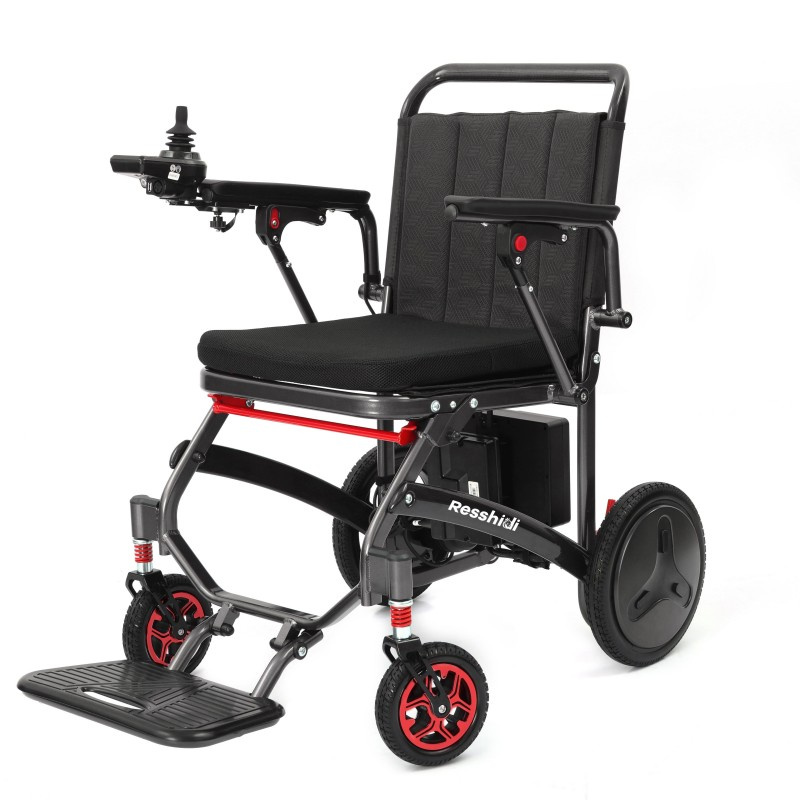
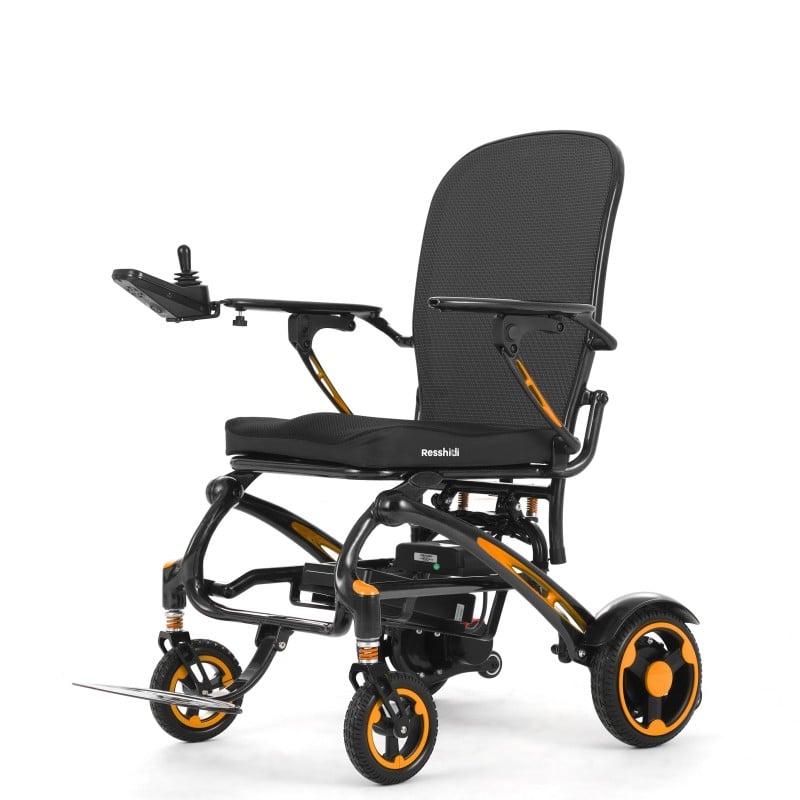
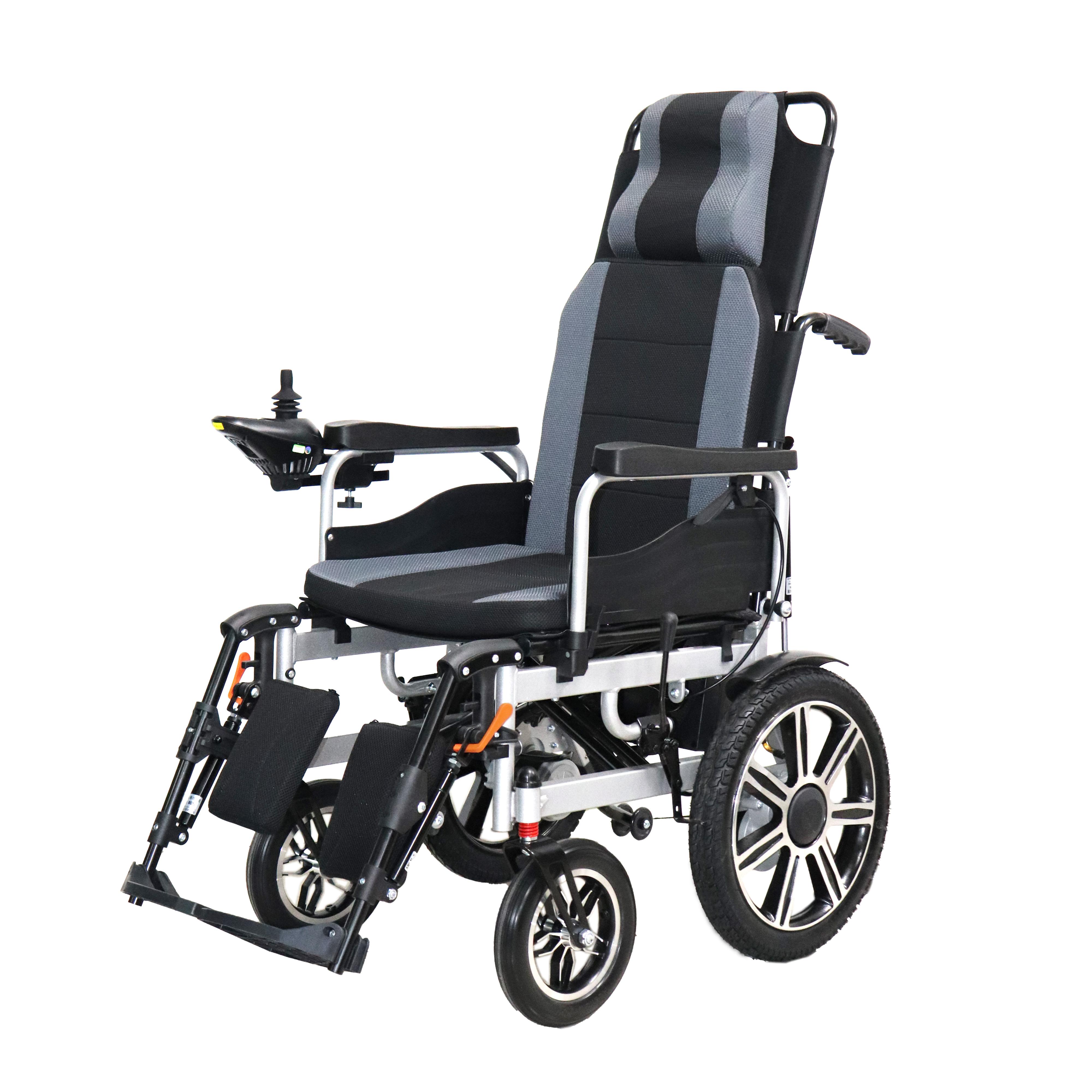
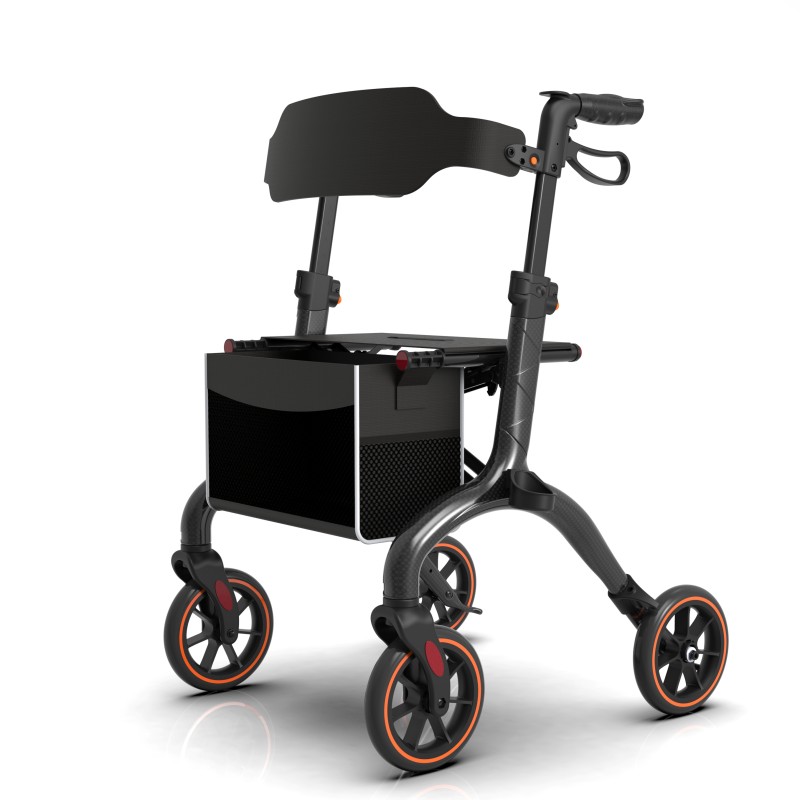
The International Air Transport Association (IATA) has released its latest Dangerous Goods Regulations, while the Civil Aviation Administration of China (CAAC) has concurrently updated its Specifications for the Air Transport of Lithium Batteries. Both sets of rules will take effect on January 1, 2026, introducing several important changes to how electric wheelchairs and mobility scooters with lithium batteries are handled in both passenger cabins and cargo holds. Resshidi’s regulatory team has identified four key provisions that directly affect wheelchair users, helping you navigate the new requirements with confidence.
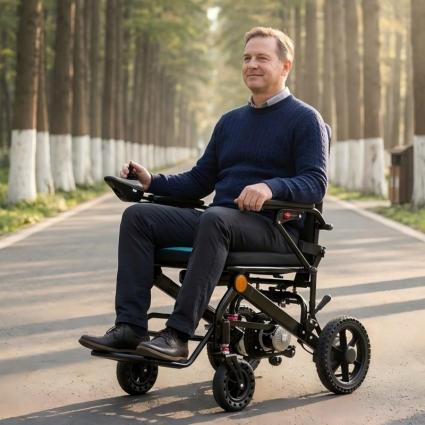
1. Installed Battery Capacity Limit Unchanged, but Spare Battery Rules Become Stricter
Both existing and new regulations require that the rated energy of a lithium battery installed in a wheelchair must not exceed 300 watt‑hours (Wh). Any battery above 300 Wh needs carrier approval and is generally restricted to cargo‑only transport. What has tightened significantly is the handling of spare batteries: each passenger may carry up to two spare units, each still capped at 160 Wh. However, new rules mandate that spare batteries must be individually insulated (previously only short‑circuit prevention was required), and they are strictly prohibited from checked baggage—they must be carried in the cabin. Moreover, any spare battery exceeding 100 Wh must be declared in writing to the airline at check‑in.
Resshidi advises users to check the Wh rating on their wheelchair battery label before flying, and to use the original insulating pouch or non‑conductive tape to cover the terminals.
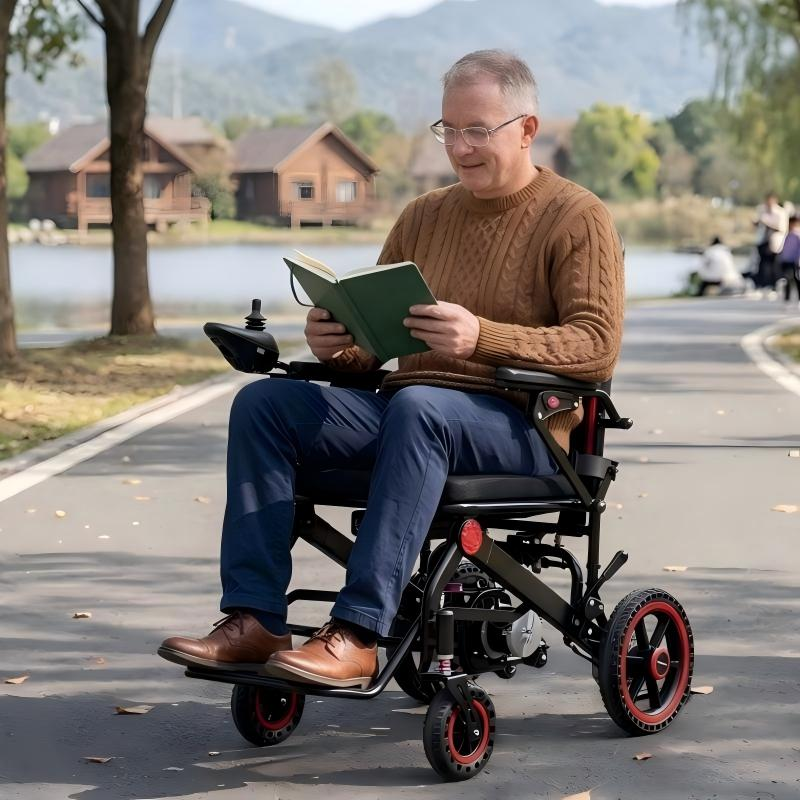
2. Check‑in Policy Shifts from “Battery Must Be Removed” to “Prefer to Keep Installed”
Previous standards generally forced passengers to detach the battery from the wheelchair and carry it as cabin baggage. Based on real‑world user feedback, the new rules now say: keep the battery installed whenever possible, provided the terminals are properly insulated and the wheelchair cannot accidentally power on in the cargo hold. Airlines will only require removal if they cannot verify the effectiveness of the protection.
This change greatly reduces the hassle and safety risks of on‑site battery removal. Resshidi’s aviation‑ready wheelchairs come factory‑fitted with “quick‑release aviation terminals” and insulated terminal covers – users can complete insulation protection in under 10 seconds without any tools.
3. Airline Approval Window Standardised to 72 Hours
Previously, airlines varied widely in their advance notification requirements for lithium‑battery wheelchairs – ranging from 24 hours to 48 hours or more. The new regulation now requires a uniform 72‑hour advance written application to the airline, including the wheelchair model, battery type, and proof of rated energy (e.g., product manual, battery label photo). For international flights, preparing an English version of these documents is advisable.
Resshidi reminds users: when applying, clearly state whether the lithium battery is “non‑removable” or “removable,” and proactively request written confirmation from the airline (SMS or email is acceptable). Resshidi’s Chinese and English websites now offer a “One‑Click Aviation Pass Generator” – simply enter the product serial number to download an IATA‑compliant battery declaration form.
4. Low‑Energy Batteries (≤100 Wh) Exempt from Advance Declaration, but Operational Details Still Apply
For the first time, the new rules explicitly state: if your wheelchair uses a lithium battery rated at 100 Wh or less, no 72‑hour advance declaration is required, provided the battery terminals are insulated and the wheelchair is powered off and secured. However, you must still inform airline staff at check‑in. If the wheelchair folds to fit into the overhead bin (meeting the airline’s carry‑on size limits), it may be taken as cabin baggage without counting toward your checked luggage allowance.
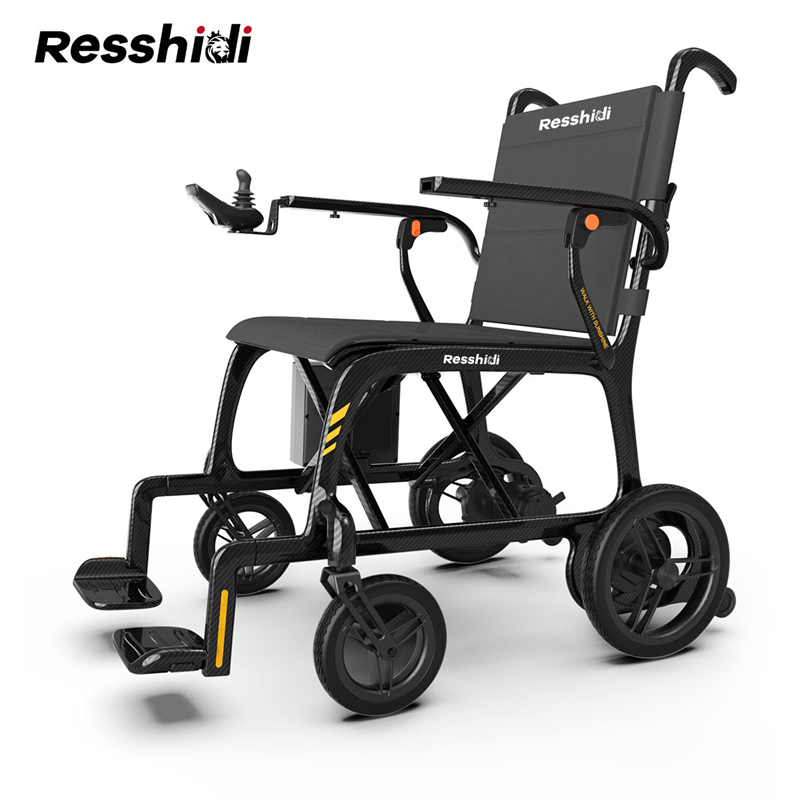
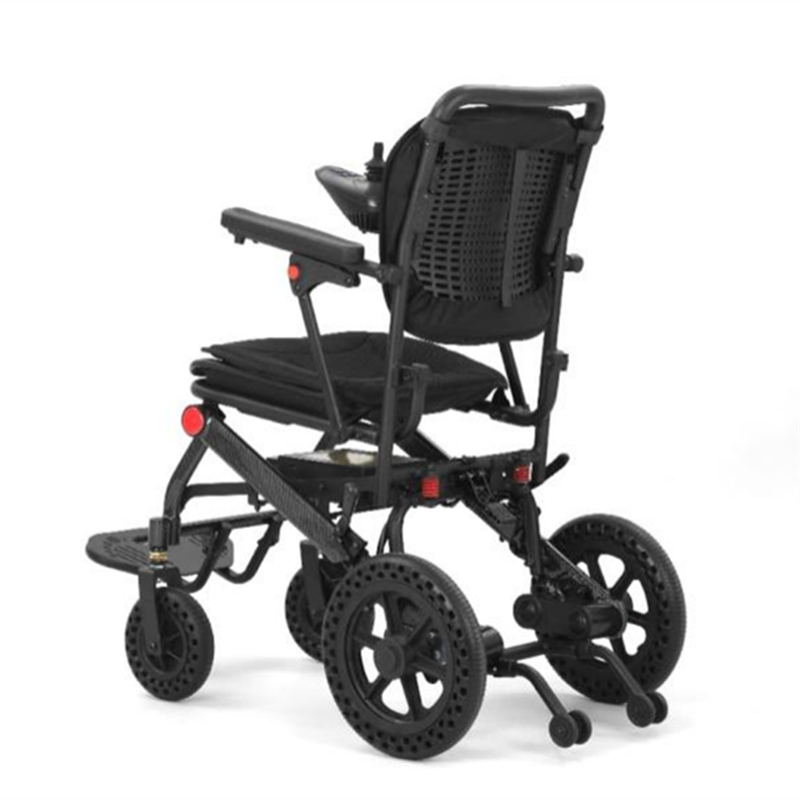
Resshidi’s carbon fibre folding wheelchair weighs only 15 kg including the battery, and folds to 970×530×270 mm – well within the cabin baggage standards of major carriers such as Air China, China Southern, Lufthansa, and Delta. It also comes standard with a 100 Wh aviation‑grade battery, making it one of the most travel‑friendly models under the new regulations.
Resshidi’s Commitment: Making Compliance Simple
At its core, the new regulation aims to standardise and clarify procedures, not to restrict travel. Resshidi has integrated air‑worthy design into all its lightweight product lines and built a full‑service chain covering “real‑time rule interpretation – product matching – documentation generation – airline communication.” If you plan to fly with a wheelchair in 2026 or later, visit the Resshidi official website to use the “Aviation Compliance Self‑Check Tool,” or call our 24/7 travel support hotline. We will help you complete the declaration process in one seamless step.
Peace of mind with every takeoff – that is Resshidi’s promise to its users.
 Hot News
2026-02-28
2026-02-23
2026-02-18