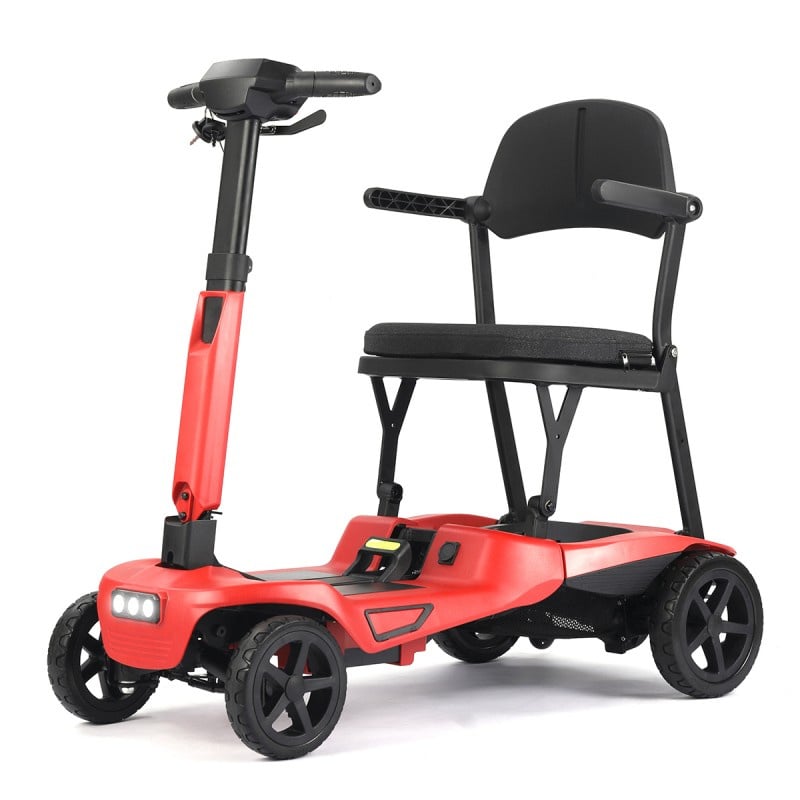
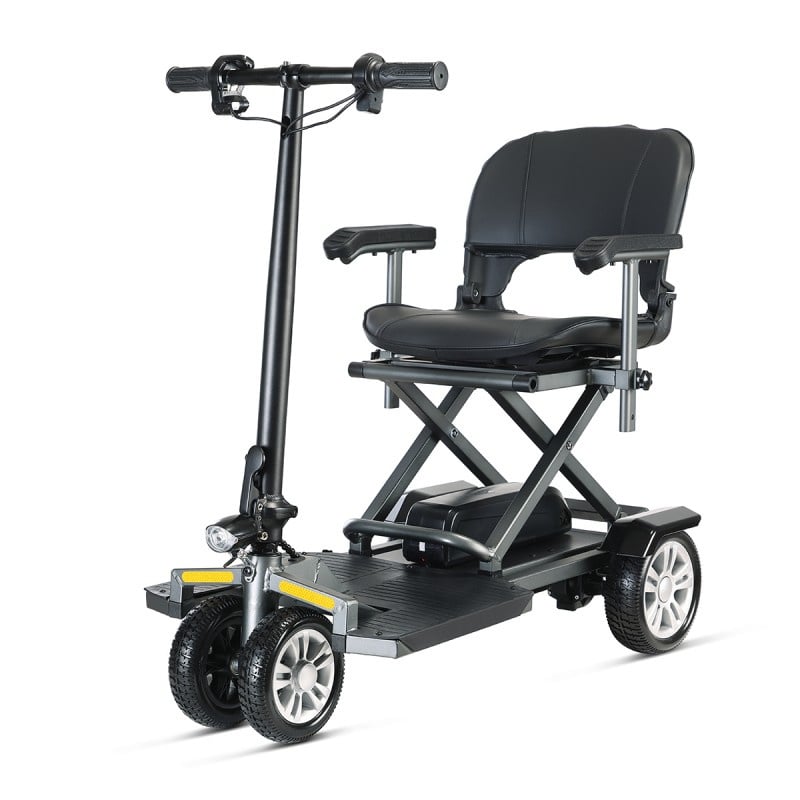
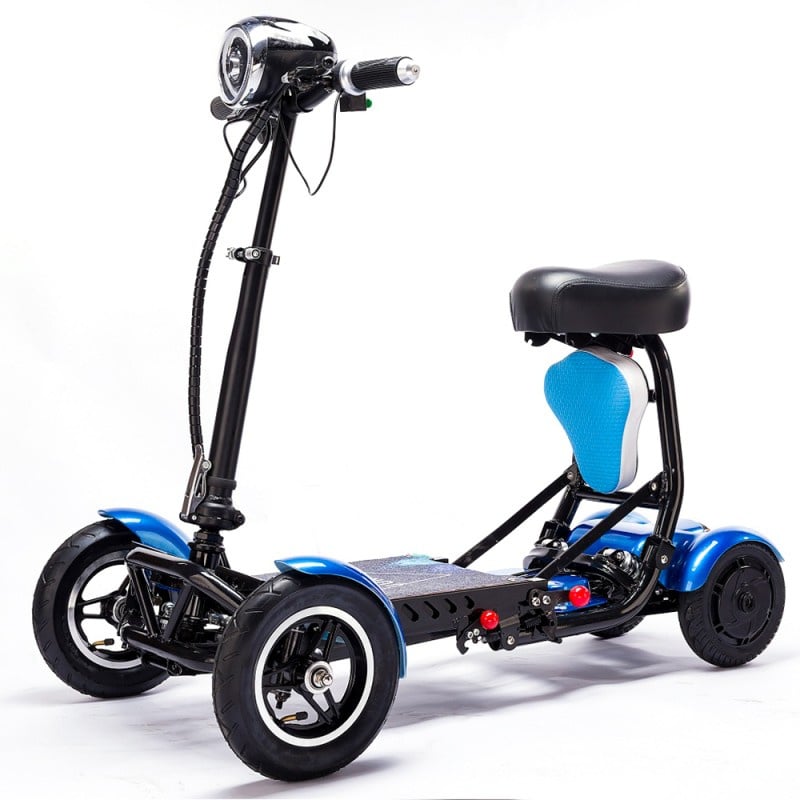
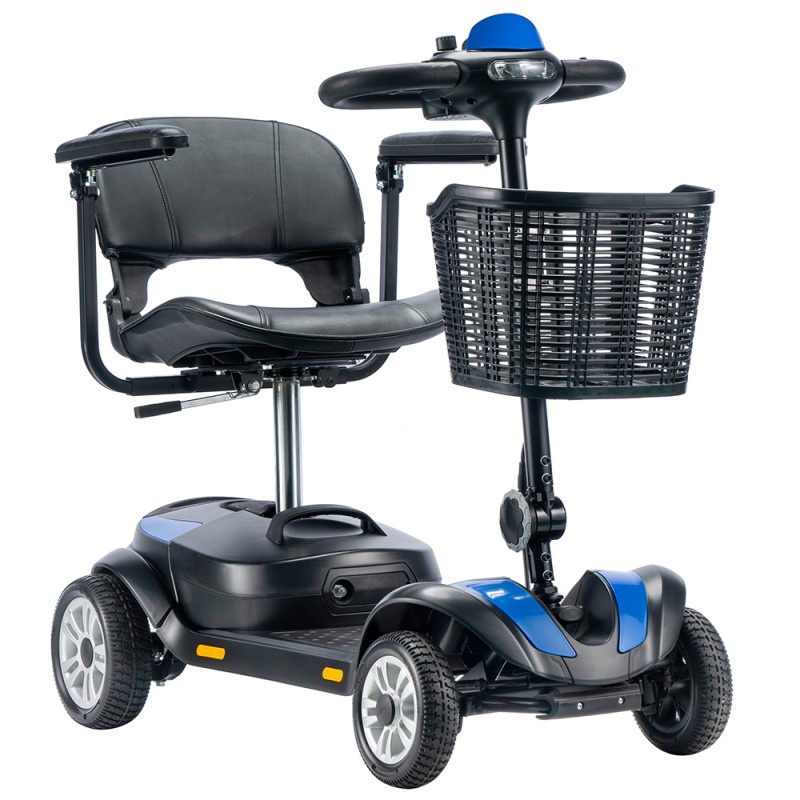
In the core power system of electric wheelchairs, the technology of the energy storage device directly determines the range, ease of use, and long-term ownership cost. Currently, the market is mainly composed of two camps: lead-acid batteries and lithium batteries. These two differ significantly in their electrochemical systems, physical characteristics, and application scenarios.
Lead-acid Batteries: A Cost-Effective Classic System
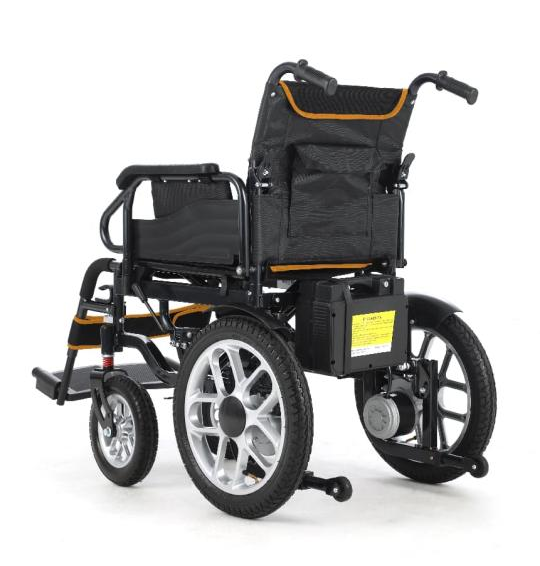
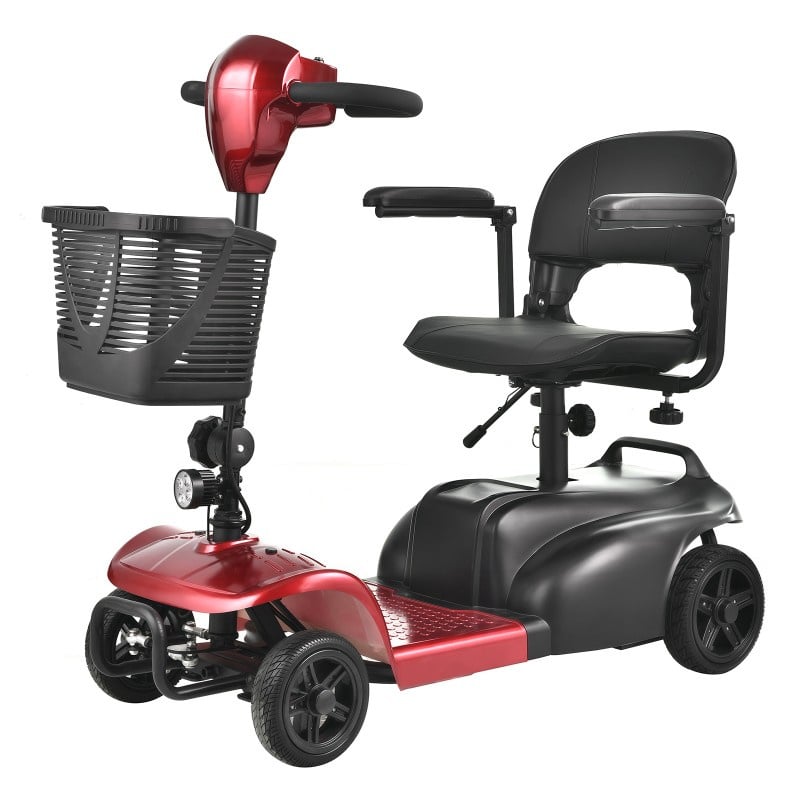
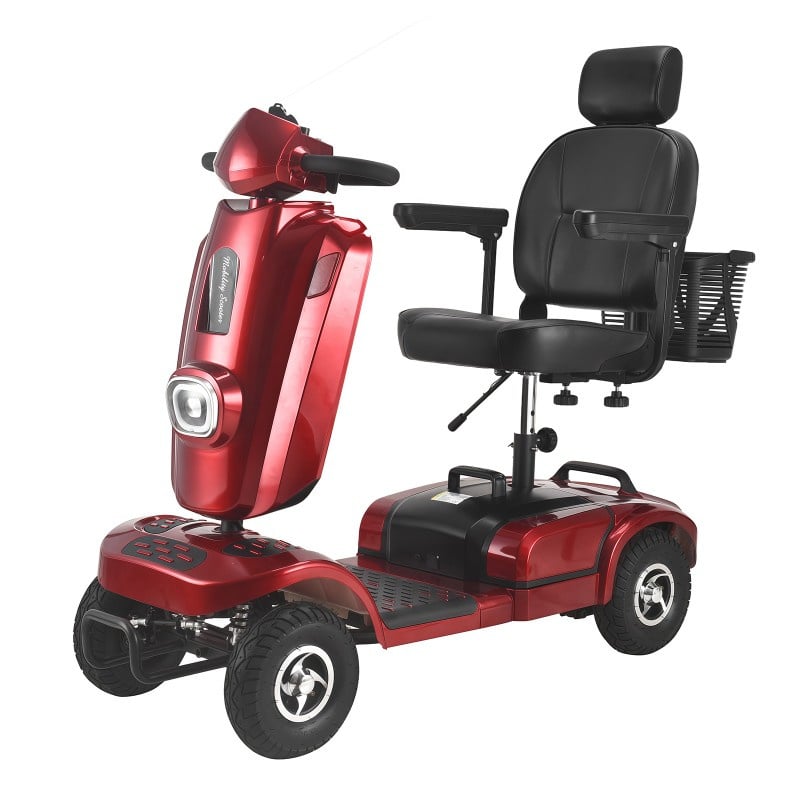
As one of the most widely used energy storage solutions in the electric wheelchair field, lead-acid batteries rely on the classic reaction mechanism of lead dioxide positive electrode, spongy lead negative electrode, and sulfuric acid electrolyte to achieve stable power output. Its core competitiveness lies in its economy—for the same capacity, lead-acid solutions can reduce the initial purchase cost of the entire vehicle by 30% to 40%, and have mature recycling networks and replacement channels in most parts of the world.
The drawback is the limited energy density; for the same capacity, the weight is typically 3 to 4 times that of lithium batteries, directly restricting the portability of the entire vehicle. It is also necessary to regularly check the electrolyte level and prevent storage with a low charge. For procurement projects where the activity radius is fixed within the community or nursing home, weight is not a major concern, and budget is a priority, lead-acid batteries remain a practical choice. For example, in some third-tier cities in China, lead-acid vehicles still account for over 60% of civil affairs procurement, as their subsequent maintenance does not require professional electrician intervention.
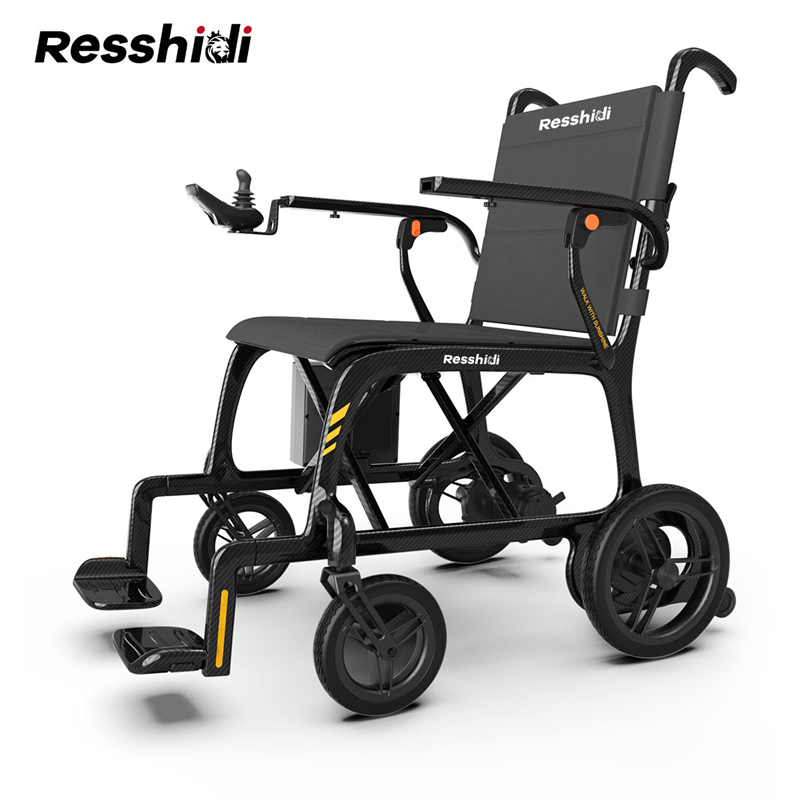
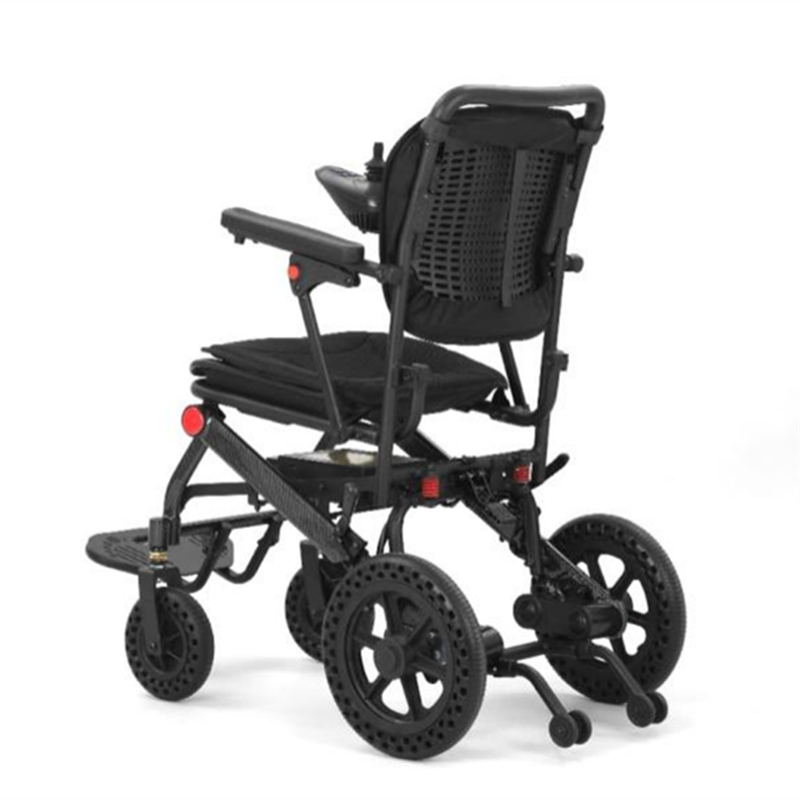
Lithium-ion batteries: The technological iteration direction for lightweight and long-range vehicles. Lithium-ion batteries achieve a leap in energy density through the insertion and extraction mechanism of lithium ions between the positive and negative electrodes. They are nearly four times lighter than lead-acid batteries, resulting in significant weight reduction for wheelchairs, with some foldable models easily fitting into a car trunk. In terms of range, a common 12Ah lithium-ion battery pack can support more than 20 kilometers of continuous driving, meeting the needs of all-weather outdoor activities.
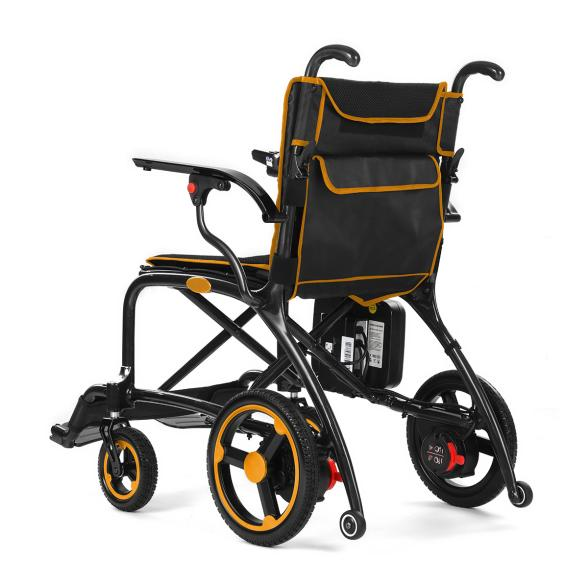
Their cycle life generally exceeds 2000 cycles, offering a more advantageous total lifespan cost compared to lead-acid batteries; however, they have strict requirements for charger compatibility, necessitating the use of original equipment manufacturer (OEM) devices to ensure safety. For users who frequently use public transportation, need to carry wheelchairs on airplanes, or travel long distances, the portability and durability of lithium batteries can significantly improve their quality of life. Furthermore, lithium batteries have become standard equipment in the procurement of high-end healthcare institutions in Europe and America to reduce the burden on caregivers.
Key Dimensions for Selection Decisions
In summary, users should consider usage intensity, portability needs in different scenarios, and budget allocation:
If daily travel distance exceeds 15 kilometers, frequent folding and carrying are required, or high responsiveness is demanded, the energy density advantage of lithium batteries will translate into practical convenience;
If primarily used for indoor and short-distance mobility, and with a strictly limited budget, the mature supply chain and low replacement cost of lead-acid batteries remain irreplaceable.
We hope this analysis helps you better understand the battery characteristics of electric wheelchairs and provides a reference for your purchasing decisions. If you have further questions or require more information, please visit Resshidi's website or contact us directly.
 Hot News
2026-02-28
2026-02-23
2026-02-18