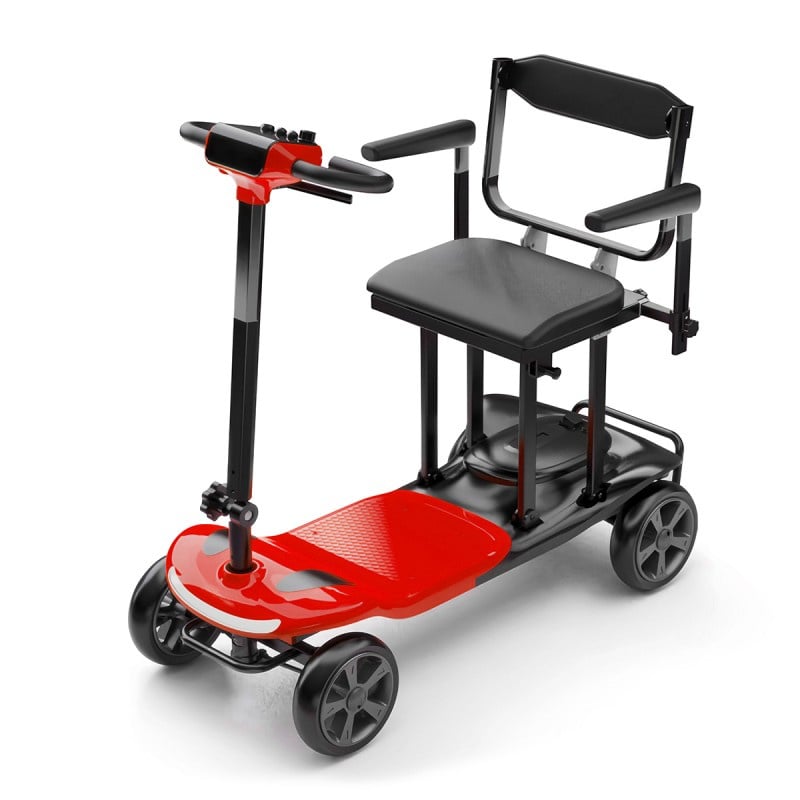
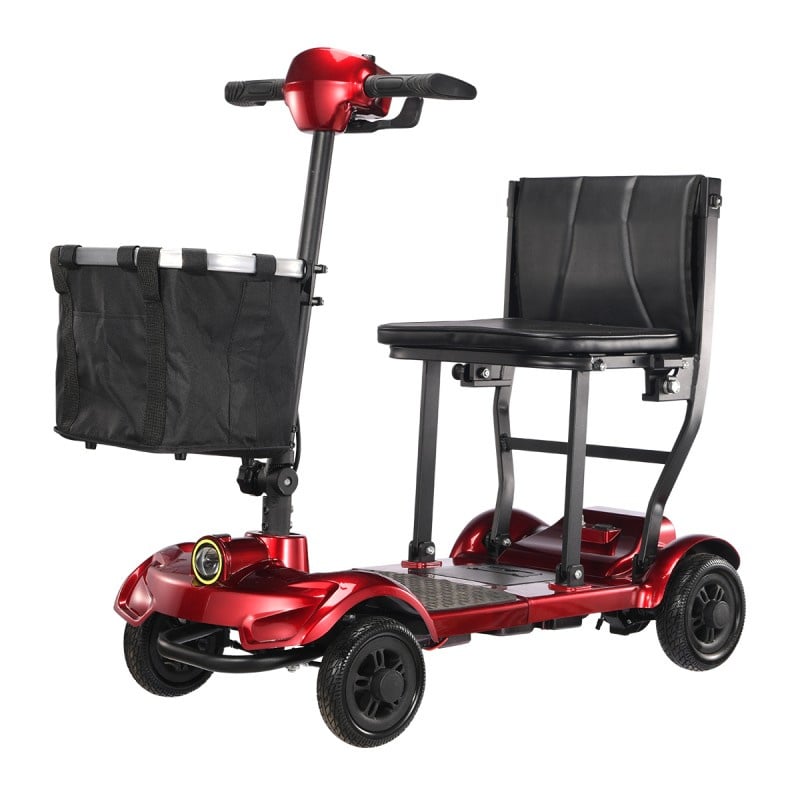
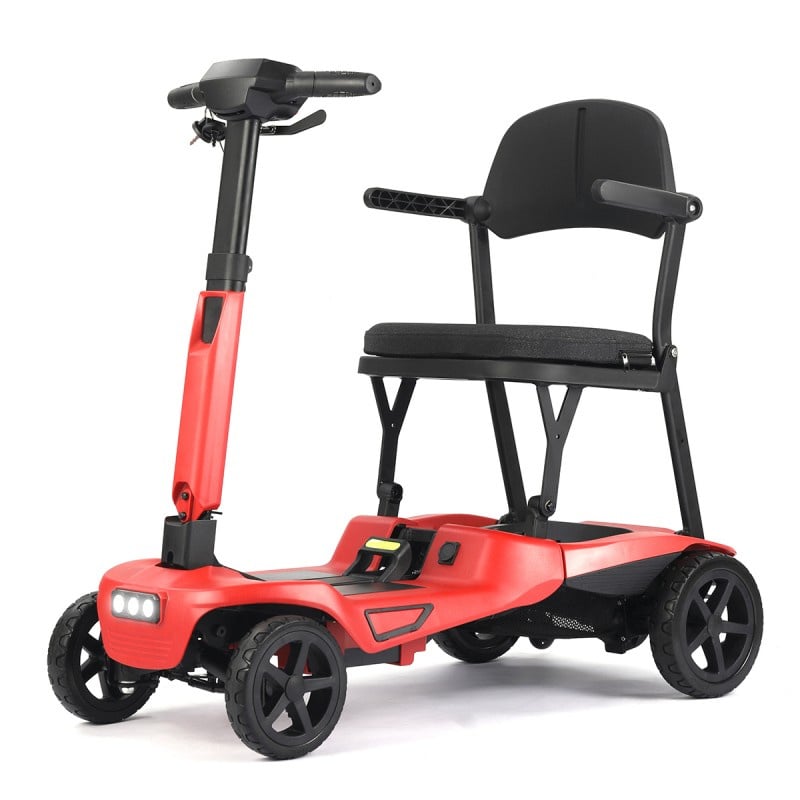
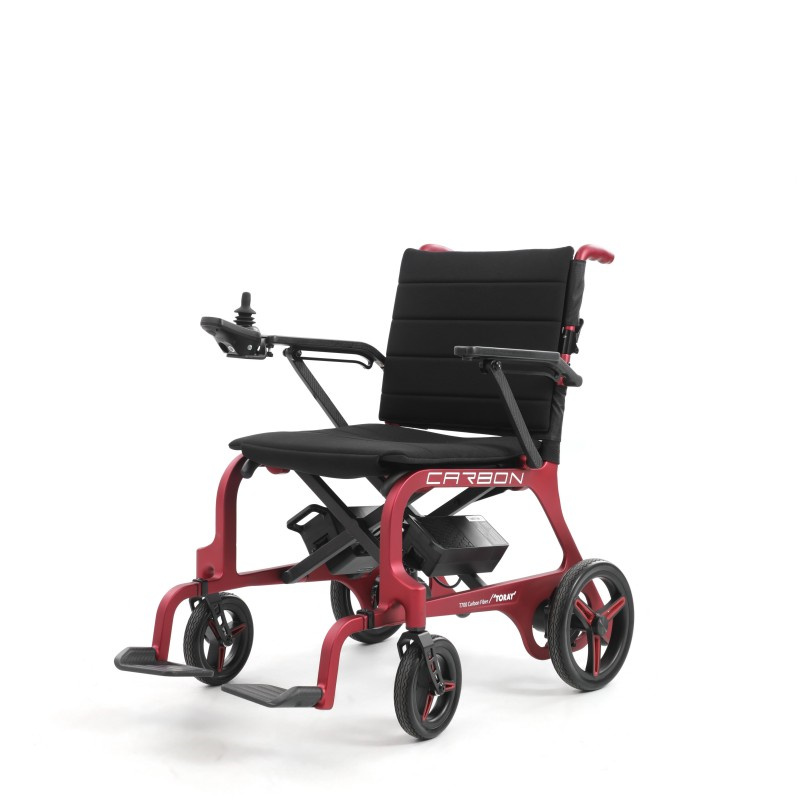
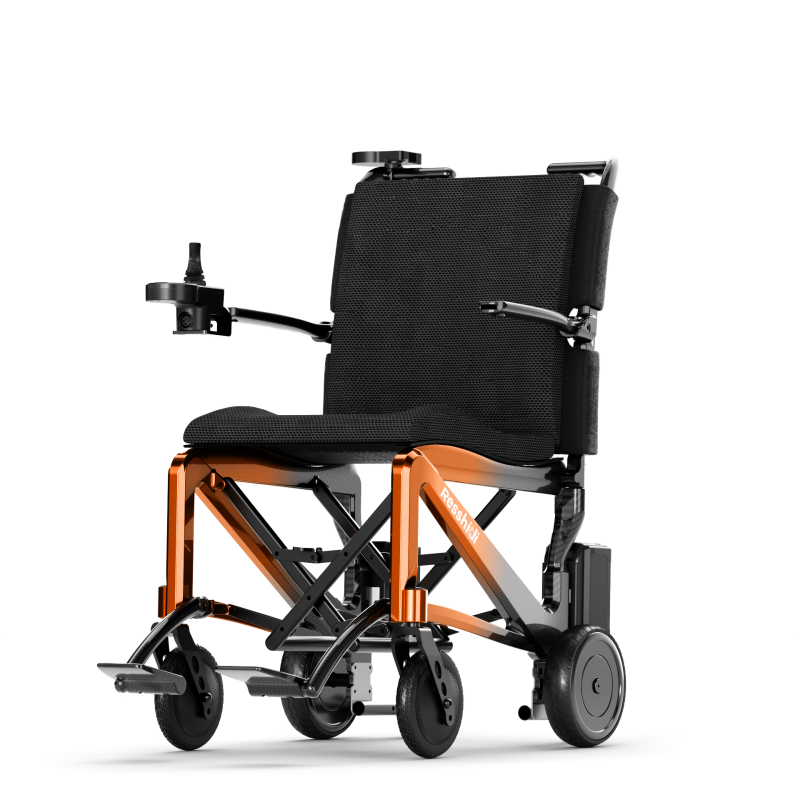
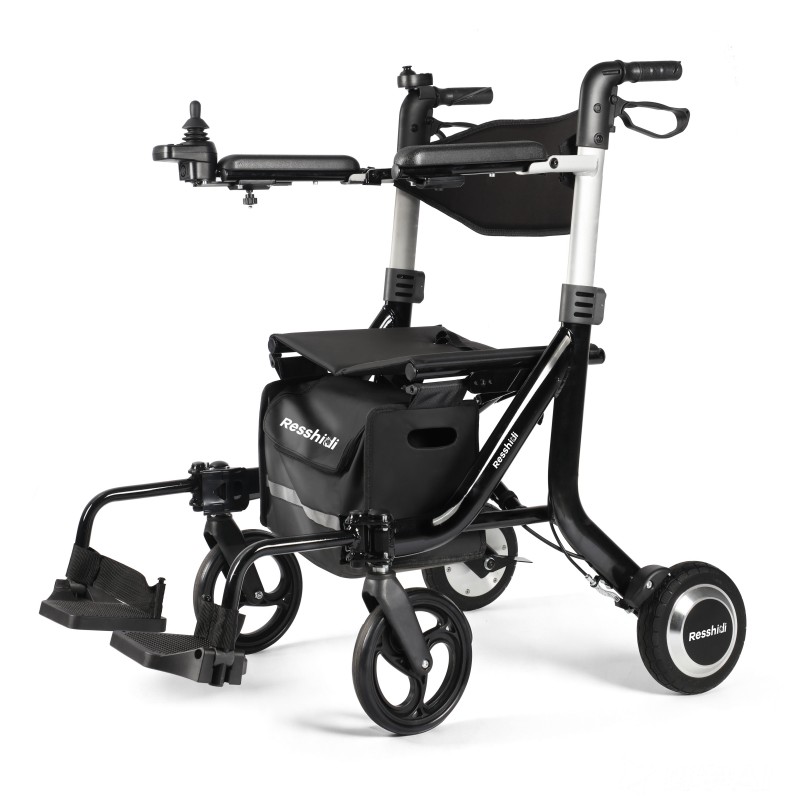
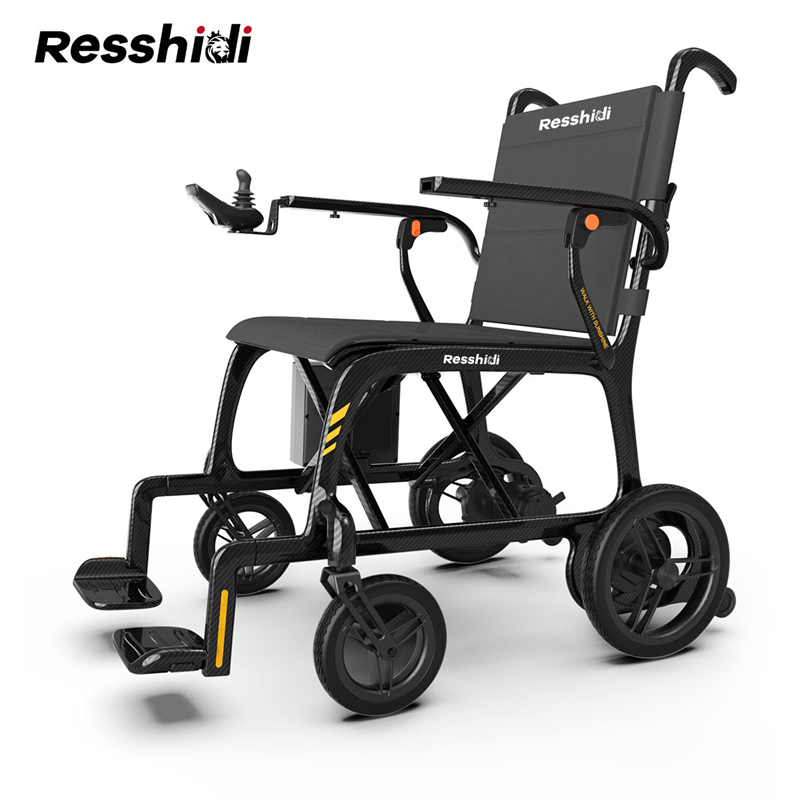
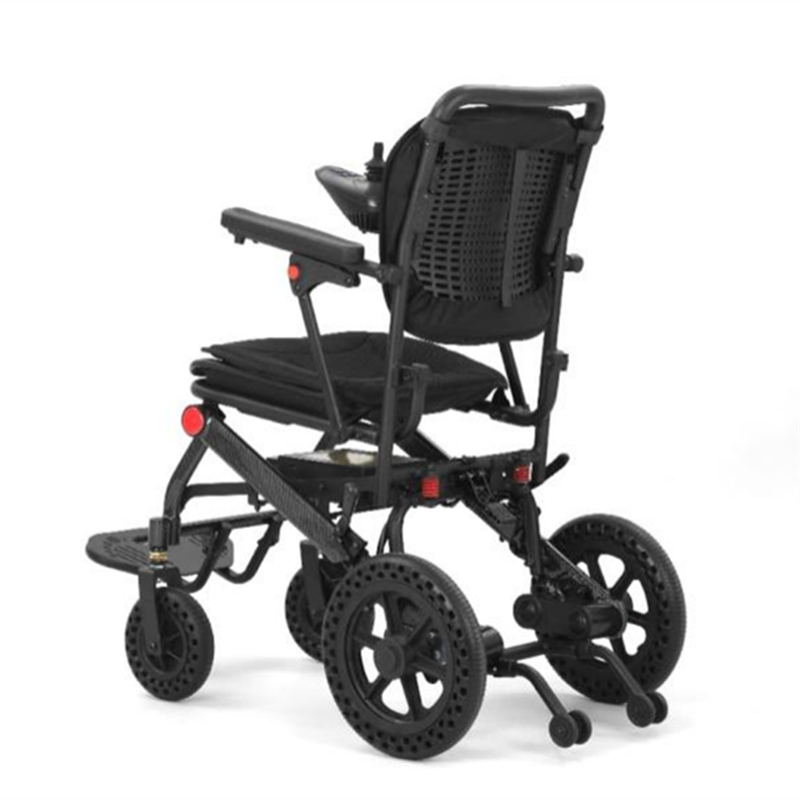
From 2026 onward, the European Union will enforce updated safety and technical regulations for electric wheelchairs and mobility scooters, based on a revised EN 12184 standard and supplementary provisions. These new rules introduce more rigorous compliance criteria for manufacturers exporting to Europe. Resshidi’s regulatory affairs team has identified three major amendments to help industry stakeholders and end‑users prepare adequately.
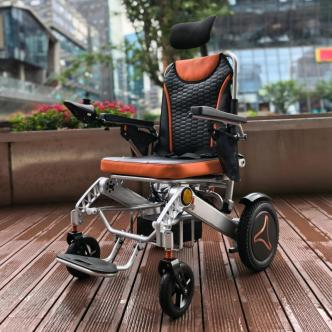
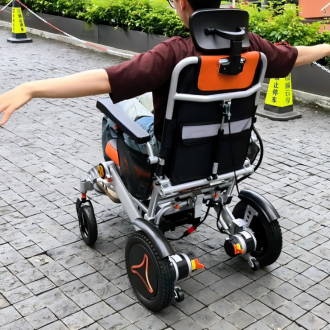
First Revision: Speed Limits Now Depend on Usage Context
Earlier EU regulations set relatively broad speed caps, usually between 6 and 15 km/h. The 2026 framework introduces a context‑based speed classification:
Indoor operation: Strictly capped at ≤6 km/h, requiring a physical switch or software lock to prevent accidental engagement.
Pavement/cycle‑lane use: Maximum speed limited to 12 km/h, in line with recent traffic‑law updates in France and Germany.
Assisted‑pushing mode: Motor‑assisted speed not exceeding 6 km/h, with power cut‑off within one second after the user releases the push handles.
Second Revision: Stricter Electromagnetic Compatibility (EMC) Immunity
As electric wheelchairs become more sophisticated—integrating advanced controllers, BMS, and wireless connectivity—they are increasingly vulnerable to electromagnetic interference. The updated 2026 standards extend the EMC immunity test frequency range from 30 MHz–1 GHz to 80 MHz–2.7 GHz, and add:
Radiated immunity field strength: Raised from 10 V/m to 20 V/m, simulating harsh interference from 5G base stations and wireless chargers.
Electrostatic discharge (ESD): Contact discharge ±8 kV, air discharge ±15 kV; the wheelchair must show no unintended acceleration, abrupt braking, or steering failure during testing.
Conducted immunity: New surge‑protection requirements for events when connecting or disconnecting on‑board chargers.
Third Revision: Tougher Ramp Parking and Anti‑Rollback Performance
Reflecting Europe’s hilly cityscapes (e.g., Lisbon, Edinburgh), the revised standards raise expectations for slope performance:
Static parking on an incline: The required gradient increases from 8° to 12° under full load; the wheelchair must remain stationary without slipping for 30 minutes on a wet, smooth surface.
Dynamic start on a slope: The wheelchair must start smoothly from a standstill on a 10° gradient, with backward rollback limited to ≤100 mm.
Resshidi’s Proactive Compliance Approach
The transition period ends on December 31, 2025. After that, any new batch entering the EU market must be certified under the new rules. Resshidi has already conducted pre‑certification tests on 11 models in cooperation with TÜV SÜD and SGS, and has set up a monthly monitoring system to track further standard amendments.
Ultimately, these tighter requirements reflect a deeper commitment to user safety. Resshidi will keep investing in regulatory research and engineering advancements to ensure that every wheelchair exported to Europe not only meets the new standards but surpasses them. For detailed test reports or technical queries, please visit the official Resshidi website.
Resshidi is dedicated to offering safer, more convenient smart mobility solutions worldwide through innovation and human‑centred design. For more product information and travel resources, please visit the official Resshidi website.
 Hot News
2026-02-28
2026-02-23
2026-02-18