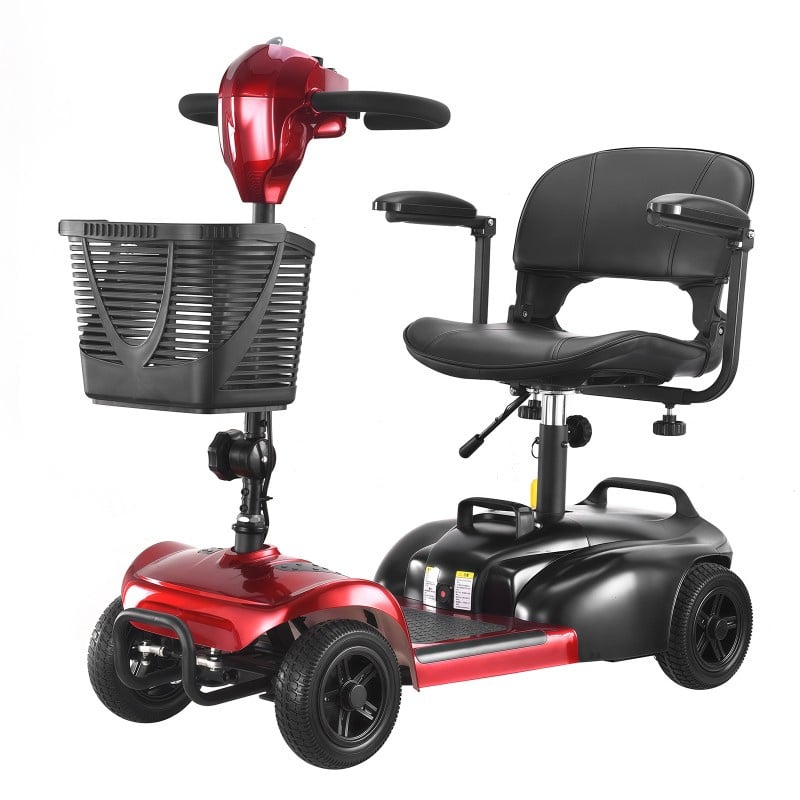
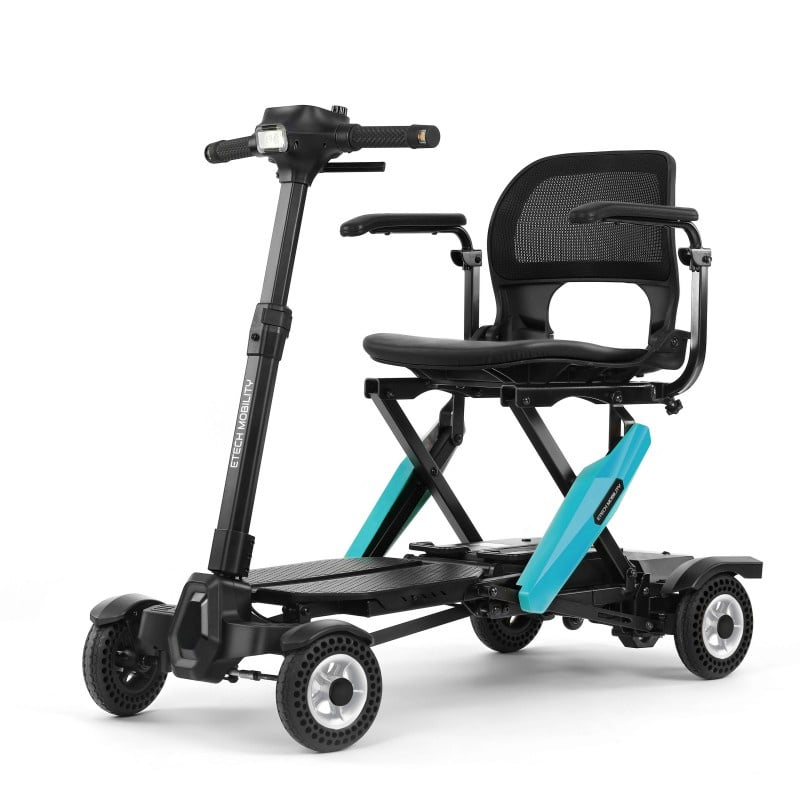
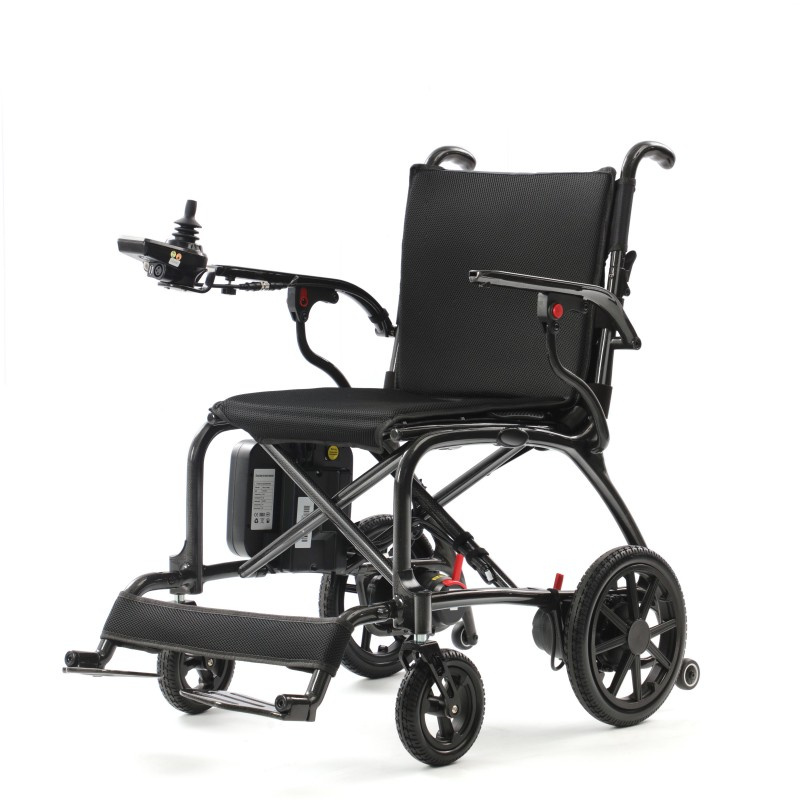
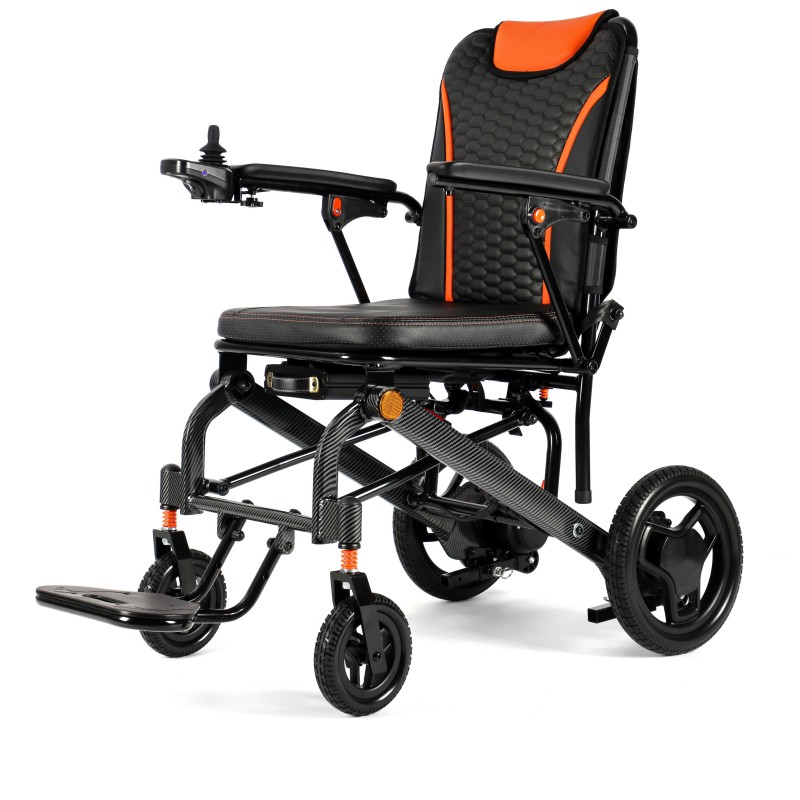
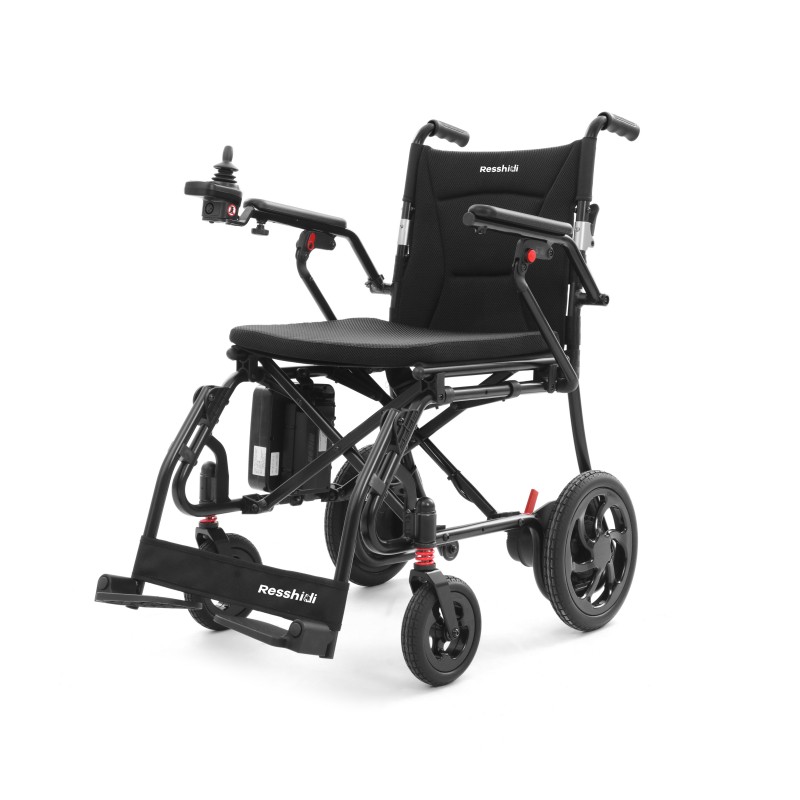
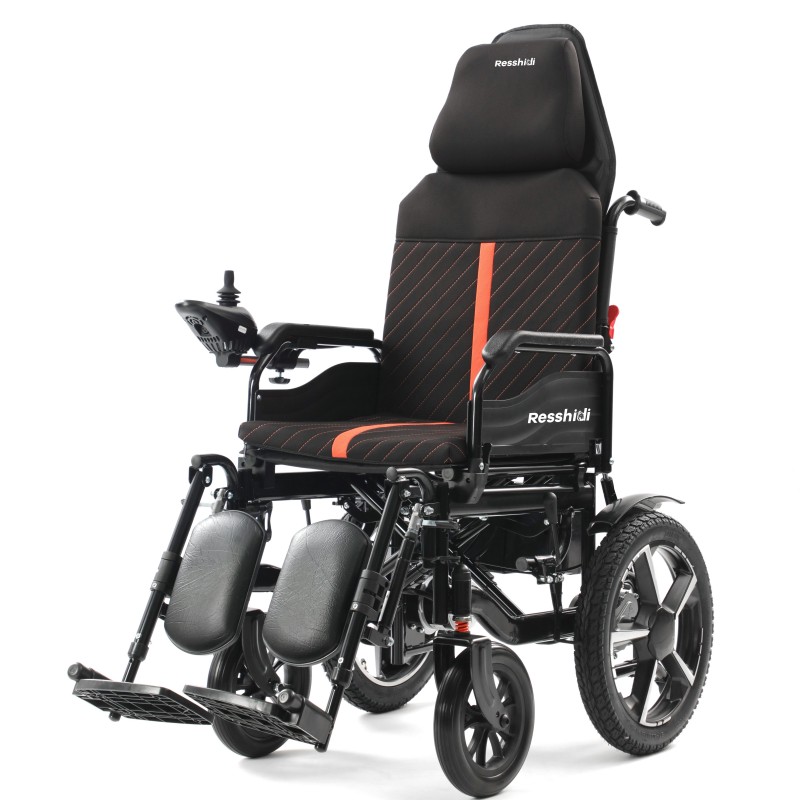
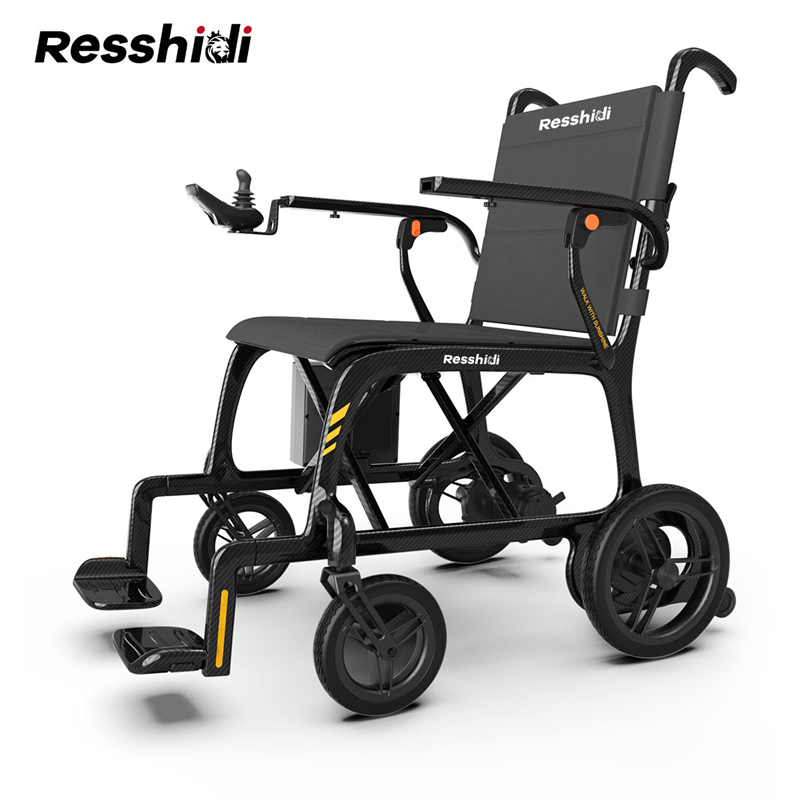
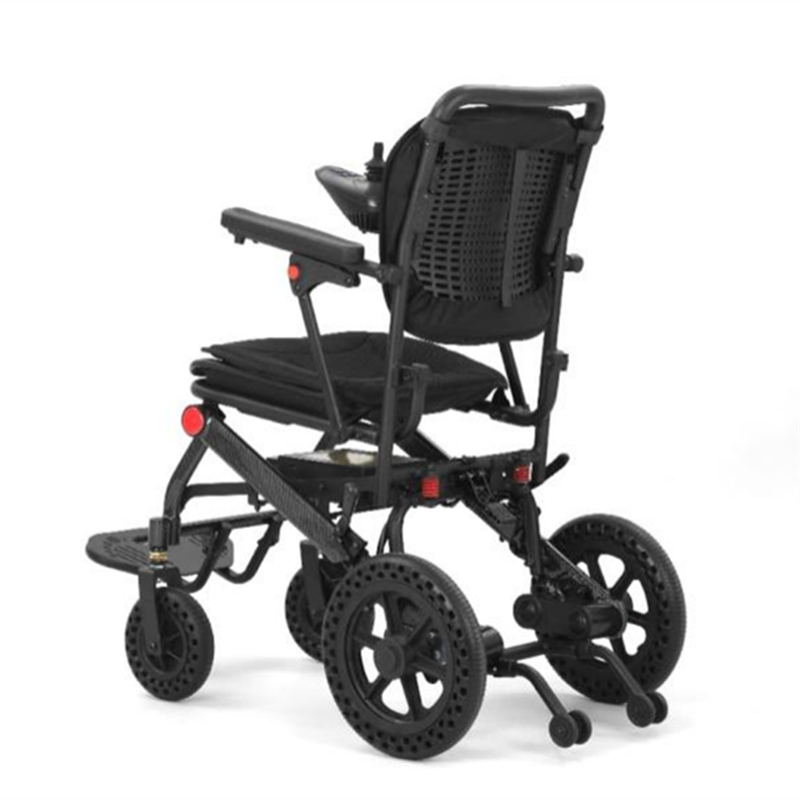
“I wish people couldn’t tell at first glance that I’m using a wheelchair.” This sentiment, expressed by more than 60% of respondents in a Resshidi user survey, reveals a widespread but often unspoken discomfort. While electric wheelchairs have become far more capable, public perceptions of how they look remain stubbornly fixed: clinical white tubing, boxy frames, and a cold, utilitarian appearance. These visual cues unconsciously brand users as “sick” or “frail.” Resshidi argues that overcoming this aesthetic prejudice requires not just technical upgrades, but a fundamental rethinking of what a wheelchair should look like.

The Hidden Cost of Aesthetic Bias: Users Choose to Blend In
A qualitative study conducted by Resshidi’s experience lab revealed:
A significant number of users admitted they sometimes opt for a manual wheelchair or a walking stick—perceived as “less medical”—over a powered model in social situations like reunions, work meetings, or dates.
Some users said they avoid dining out or shopping simply because their wheelchair’s colour is “too hospital‑white.”
Notably, younger users (under 35) expressed a strong desire for customisable designs, or at least a wider range of colours beyond black, white, and silver.
One 32‑year‑old living with multiple sclerosis shared: “Every time I rolled my silver‑grey electric wheelchair into the elevator, neighbours would look at me with pity and ask, ‘Off to the hospital again?’ I was just getting coffee. Eventually, I preferred to walk slowly on my own rather than face those stares.”
This is a textbook example of “stereotype threat.” When a wheelchair visually screams “patient,” users internalise that negative label and withdraw from public life.

Where Does the Bias Come From? The Dehumanising Legacy of Medical Design
Conventional wheelchairs have been designed almost exclusively from a medical perspective: white or light grey symbolises “cleanliness,” exposed metal tubing conveys “strength,” and oversized seats with heavy frames suggest “stability.” None of these features are inherently wrong, but together they produce a cold, functional aesthetic that overlooks the emotional and social needs of the user.
A deeper problem is that the industry has long classified wheelchairs as “rehabilitation aids” rather than “personal mobility devices.” The former frames the user as a patient; the latter recognises them as an individual with personal agency and style. Once a wheelchair is branded a “medical device,” its appearance inevitably carries an undertone of “abnormality.”
Breaking the Mold: A Comprehensive Redesign – From Colour to Form
Resshidi’s design team set out to explore a “de‑medicalised” design language. The core philosophy: create a wheelchair that looks like “a mobility tool made for this person,” rather than “a device this person is forced to use.”
1. A Colour Revolution: Moving Beyond “Medical White”
Resshidi partnered with colour specialists to launch the “Urban Explorer” palette, featuring Midnight Blue, Olive Green, Warm Sand Grey, Haze Pink, and Matte Black—shades borrowed from everyday fashion and home décor, not hospital corridors. Surveys found that after switching to a non‑medical colour, users’ willingness to go out for the first time increased by more than 50%. One user told us: “My pink wheelchair got compliments from colleagues—now I actually enjoy rolling it through the office.”
2. Form Language: Clean Lines, Concealed Structure
Traditional wheelchairs resemble exposed skeletons. Resshidi’s new carbon‑fibre series uses a single‑moulded shell that hides most of the structural tubing. The overall profile looks more like a modern electric vehicle or a piece of high‑end luggage than a hospital bed. The battery and controller are integrated into the chassis, eliminating tangled wires and external hooks.
3. Interchangeable Panels: Let Users Express Themselves
On selected models, Resshidi offers magnetic decorative panels that users can swap according to mood, season, or occasion. Materials include faux carbon fibre, cork, fabric, or even custom photo prints. This transforms the wheelchair from a fixed medical device into a canvas for personal expression.
An Industry Call: Design Equality Is Not an Extra
Globally, more than 130 million people use electric wheelchairs or scooters. Most of them face daily pressure from the way others look at them. One of the most effective ways to reduce that pressure lies in the product itself—if a wheelchair looks “ordinary,” “everyday,” or even “appealing,” it no longer attracts unwanted attention.
At Resshidi, we believe that aesthetic design is never an afterthought. When a user feels more confident to go out simply because they love their wheelchair’s colour, that is real social value.
We ask our industry peers: Could your next product offer an unconventional colour? Could you hide a few more tubes? Could you ask users, “What style would you like?” instead of only “What width and height do you need?”
Resshidi’s Commitment: The “Undesign” Initiative
Starting this year, Resshidi will phase out “medical white” as a default colour for all new models, offering at least six alternatives. We have also launched an online “Wheelchair Customiser” where users can preview different colours, decals, and panel designs before placing an order.
Resshidi believes that the day a wheelchair no longer “looks like a wheelchair” is the day prejudice truly begins to fade.
Visit the Resshidi official website to try the customiser or share your story. Every choice you make challenges an outdated stereotype.
 Hot News
2026-02-28
2026-02-23
2026-02-18