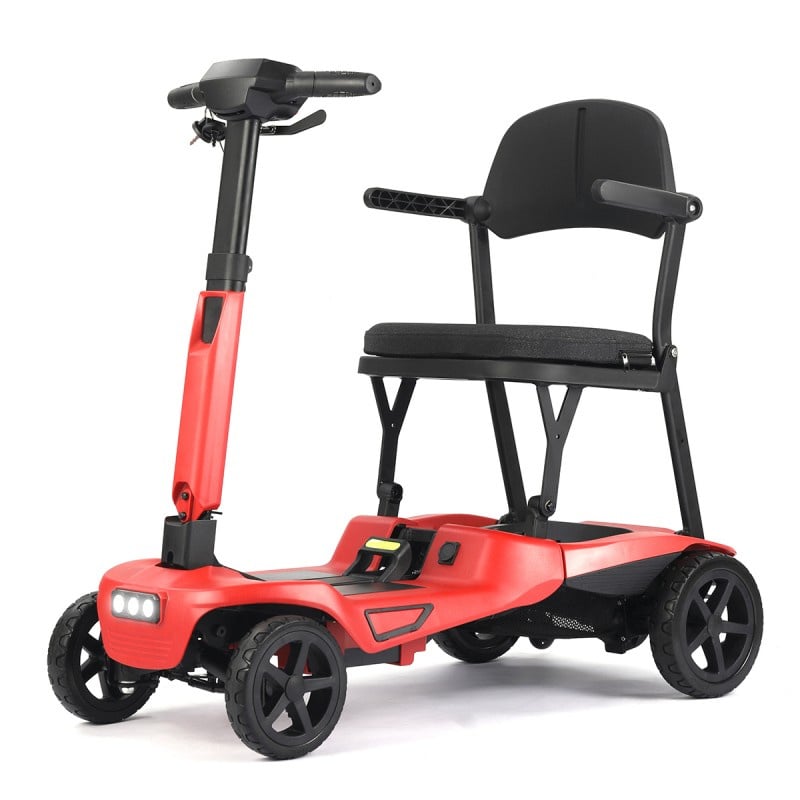
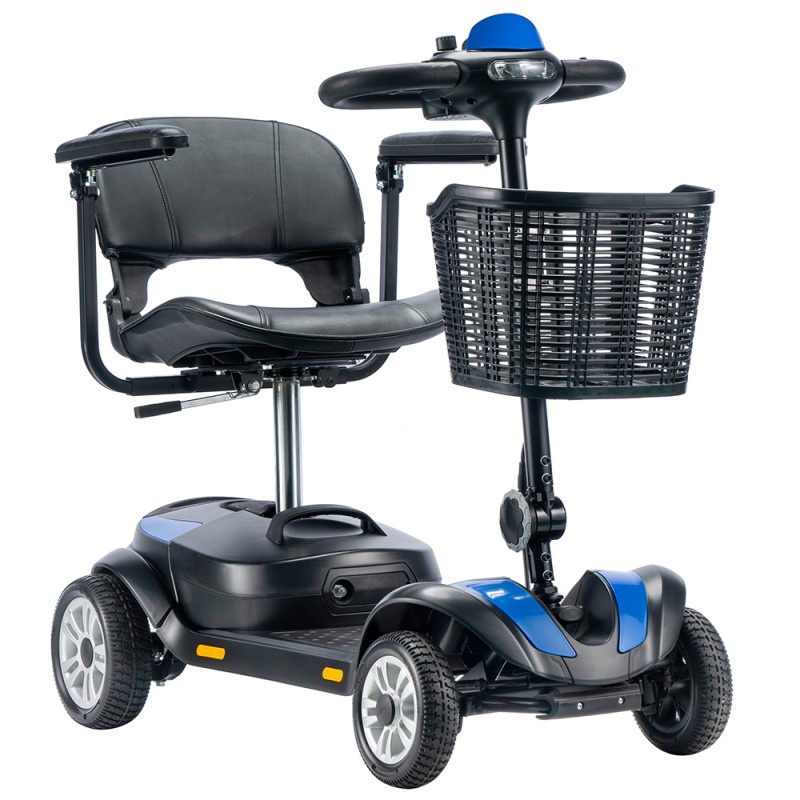
For individuals with mobility impairments, a wheelchair is more than just a means of transportation; it serves as a vital link connecting them to daily life and sustaining their independence. In recent years, driven by rapid advancements in folding technology and electric propulsion, the distinctions between traditional manual wheelchairs and modern foldable electric wheelchairs have become increasingly clear. Each type caters to specific usage scenarios and user demographics; understanding these differences empowers users to make choices that best align with their individual needs.
Power Source: Human Propulsion vs. Electric Assistance
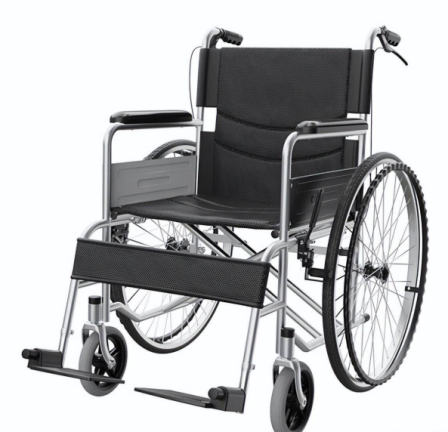
The most fundamental difference between the two lies in their method of propulsion. Traditional manual wheelchairs rely on the user’s hands to push the handrims to move forward, or on a caregiver to push the chair from behind. This design features a simple structure, is easy to maintain, requires no charging, and can be utilized in virtually any environment. For users with sufficient upper-body strength, a manual wheelchair also offers the added benefit of providing a certain level of physical exercise.
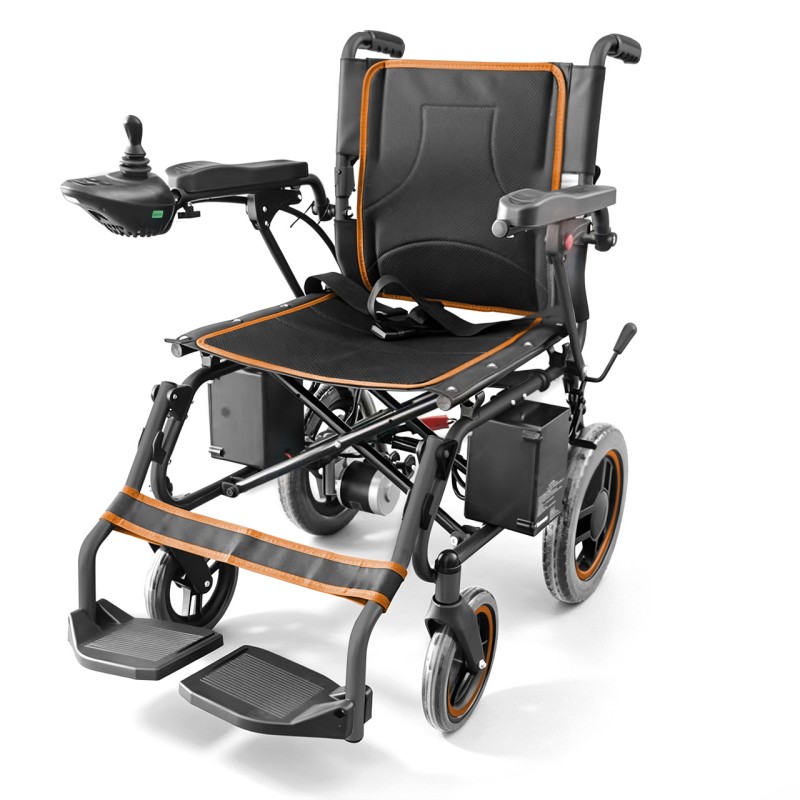
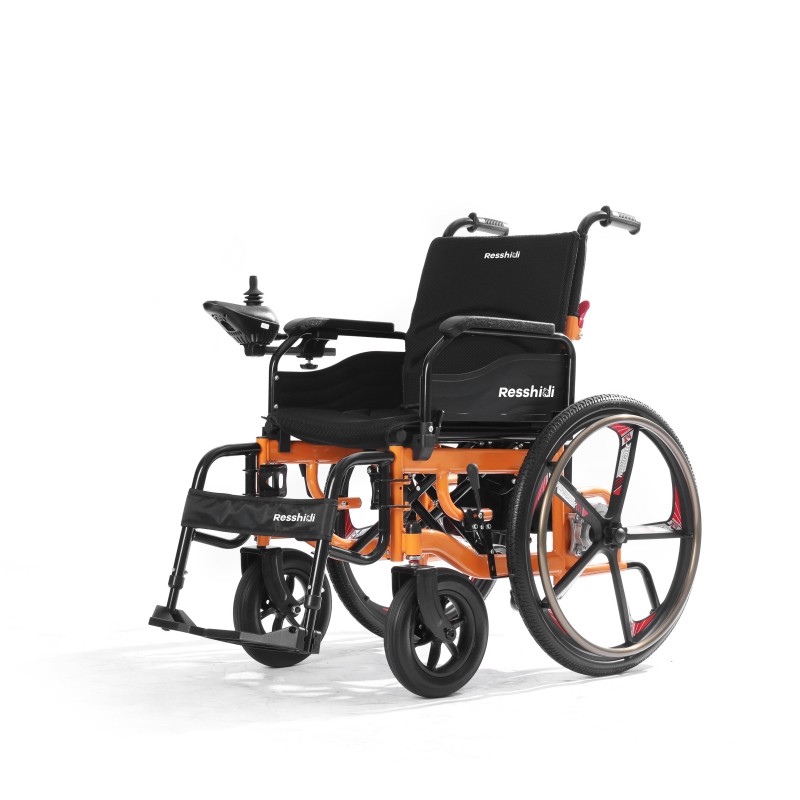
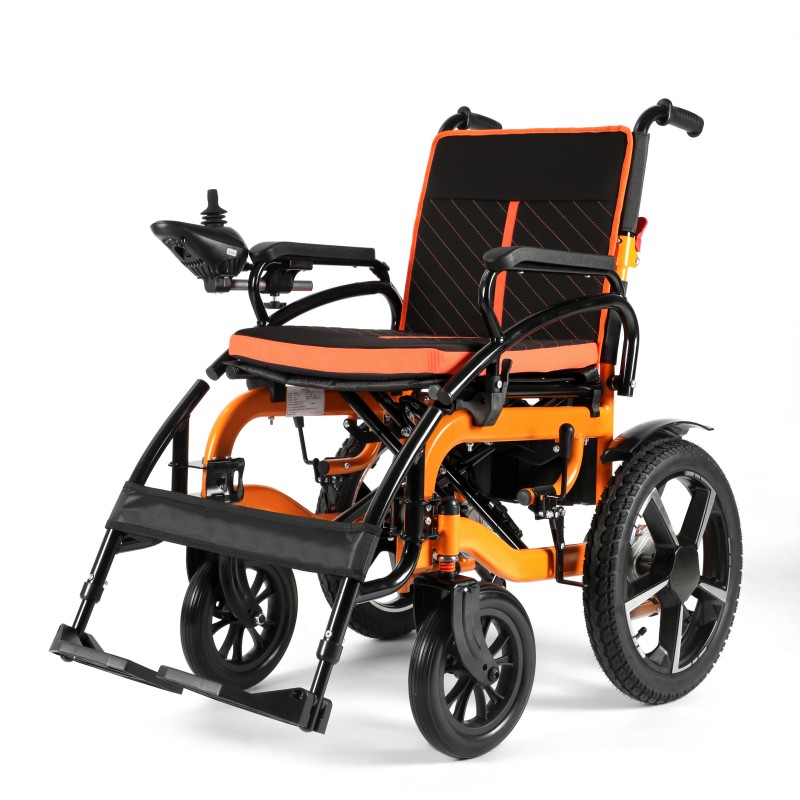
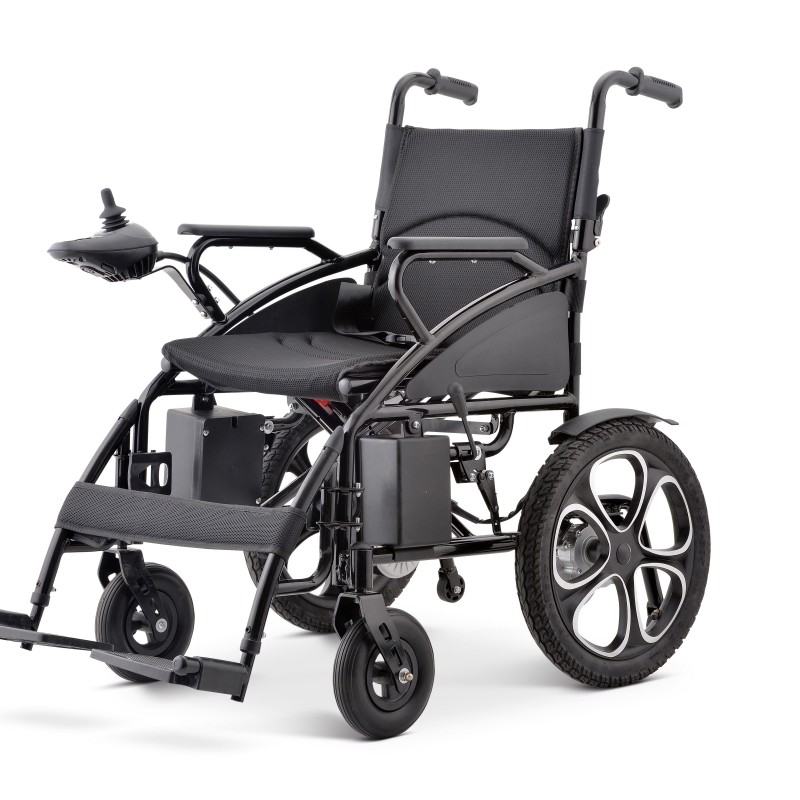
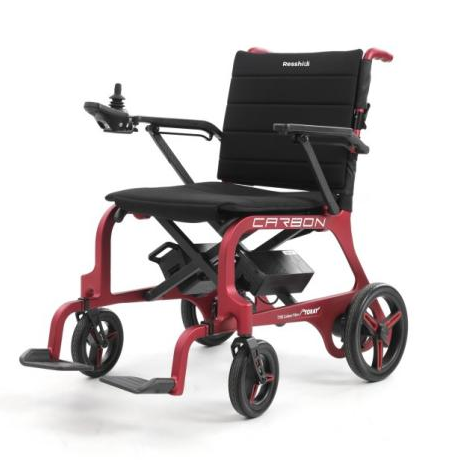
Modern foldable electric wheelchairs, conversely, feature built-in motors and batteries, enabling electric propulsion controlled via a joystick or control panel. Users can move about effortlessly without expending physical energy, making these chairs particularly well-suited for individuals with limited upper-body strength, compromised cardiopulmonary function, or those requiring long-distance mobility. Electric assistance significantly expands a user's radius of activity, enabling them to venture beyond indoor spaces and into the outdoors.
Portability: Fixed Structure vs. Foldable Storage
Traditional manual wheelchairs typically feature a fixed-frame structure. While some models allow for simple folding, their folded dimensions often remain relatively bulky, making it difficult to stow them in the trunk of a small car. Furthermore, their weight—typically ranging between 15 and 20 kilograms—can still pose a significant physical burden for users who need to frequently lift and transport the chair.
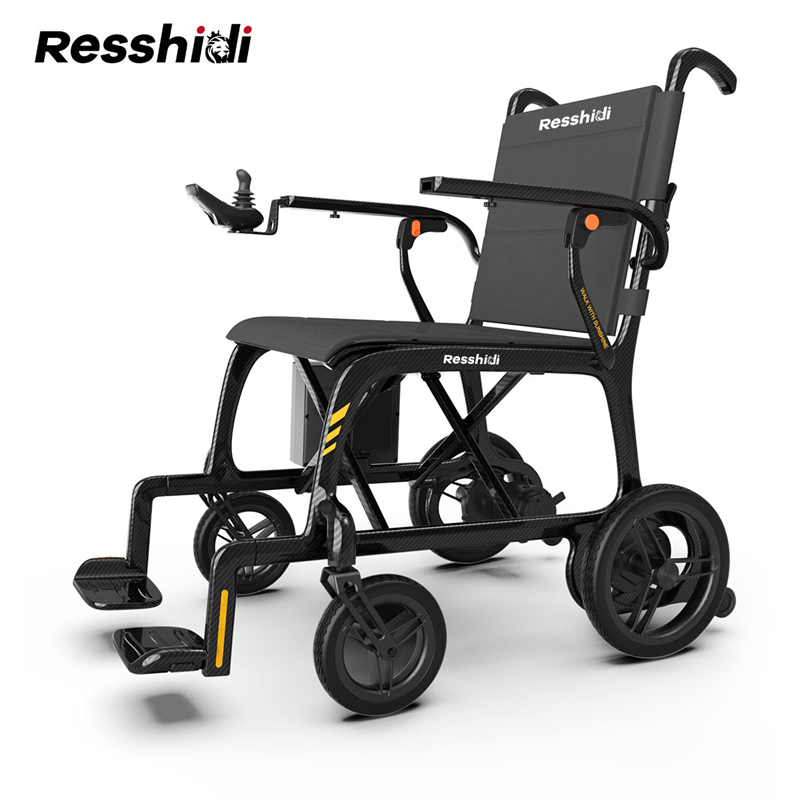
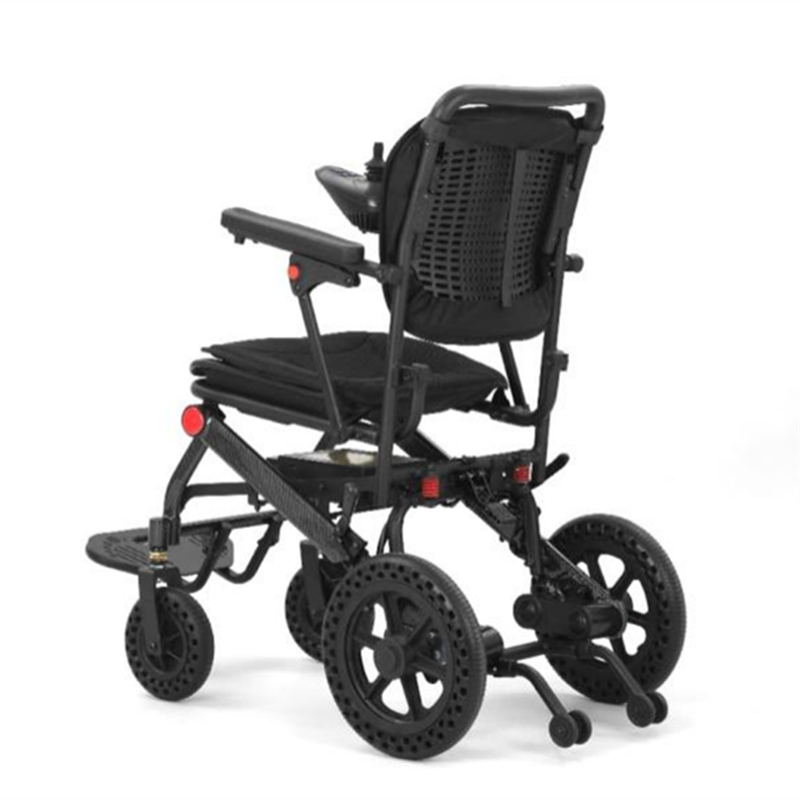
The recent breakthrough in foldable electric wheelchairs lies in the fusion of lightweight design with intelligent folding mechanisms. By utilizing materials such as aluminum alloy or carbon fiber, the total weight of these electric wheelchairs can be kept within a range of 15 to 25 kilograms. Some high-end models even feature a one-touch electric folding function; once folded, their dimensions are drastically reduced, allowing them to be easily stowed in a car trunk or transported on public transit. This key feature transforms the electric wheelchair from a mere "indoor assistive device" into a true "outdoor mobility companion."
Usage Scenarios: Primarily Indoor vs. Comprehensive Coverage
The primary advantage of manual wheelchairs lies in their agile maneuverability within confined indoor spaces. Thanks to their compact structure and tight turning radius, manual wheelchairs are easier to maneuver in confined spaces such as kitchens and bathrooms. Furthermore, since manual wheelchairs do not rely on electricity, users never have to worry about running out of power.
In contrast, folding electric wheelchairs are electrically powered and can effortlessly handle complex outdoor terrain. Whether navigating community ramps, park trails, or long shopping mall corridors, electric wheelchairs provide a smooth and effortless mobility experience. Enhanced by shock-absorption systems and anti-tip wheel designs, modern electric wheelchairs offer significant improvements in both safety and comfort.
**Comparison of Pros and Cons**
**Advantages of Traditional Manual Wheelchairs:**
Simple structure with a low failure rate
No need for charging; free from battery range limitations
Relatively affordable price point
Helps build upper-body strength through physical exertion
**Limitations of Traditional Manual Wheelchairs:**
Prolonged use can lead to shoulder strain
Difficult to cover long distances outdoors
Still relatively bulky even when folded
**Advantages of Folding Electric Wheelchairs:**
Electric-powered; effortless and convenient
Battery range sufficient for daily mobility needs
Foldable design facilitates easy transport and storage
Adaptable to various outdoor terrains
**Limitations of Folding Electric Wheelchairs:**
Requires regular charging and maintenance
Still heavier than high-end manual wheelchairs
Relatively higher price point
**How to Choose the Right Wheelchair?**
Choosing a wheelchair is, fundamentally, choosing a lifestyle. For users whose daily activities are primarily indoors and who possess sufficient upper-body strength, a traditional manual wheelchair remains an economical and practical choice. However, for users who wish to venture out, socialize more, and engage in outdoor activities, the independence and sense of freedom provided by a folding electric wheelchair are often the key to enhancing their quality of life.
Resshidi’s product lineup caters to both of these needs: our classic manual wheelchair series emphasizes lightweight design and reliability, while our folding electric series integrates lithium-ion battery technology with smart folding mechanisms, aiming to provide active users with the freedom to "go wherever they please."
Regardless of the type chosen, we recommend that users thoroughly evaluate their daily usage scenarios, living environment, and frequency of movement before making a purchase. If needed, feel free to consult a professional advisor for personalized recommendations. The essence of a wheelchair is to serve one's life; choosing the right tool ensures that every movement is made with greater ease and comfort.
 Hot News
2026-02-28
2026-02-23
2026-02-18