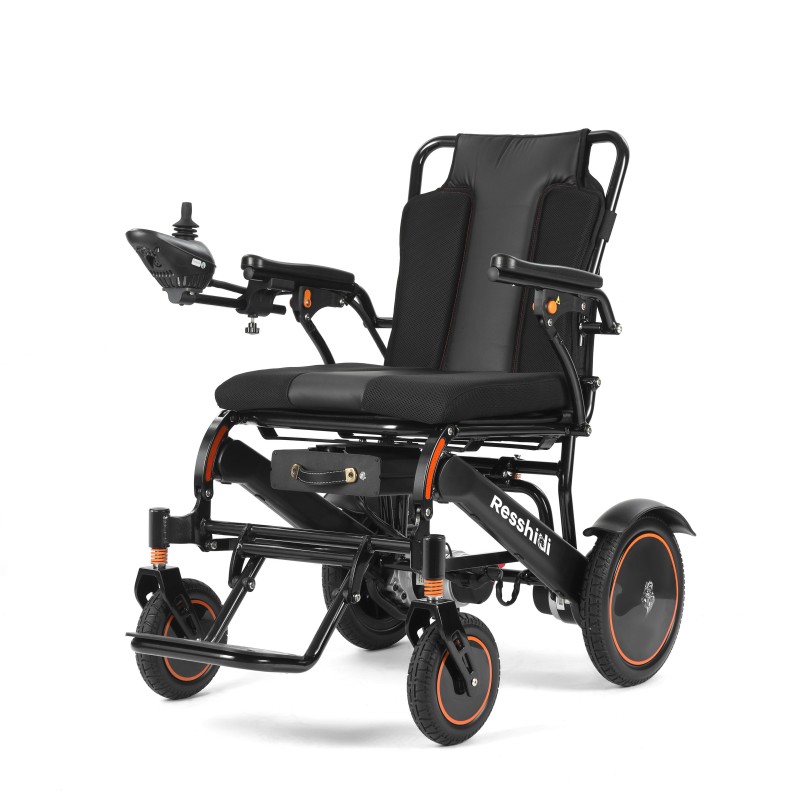
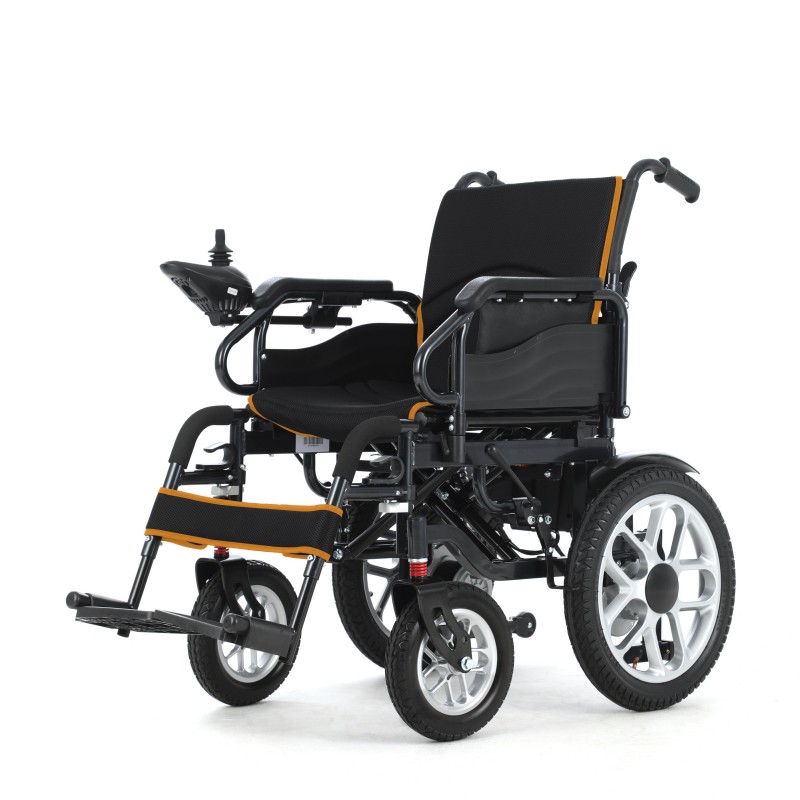
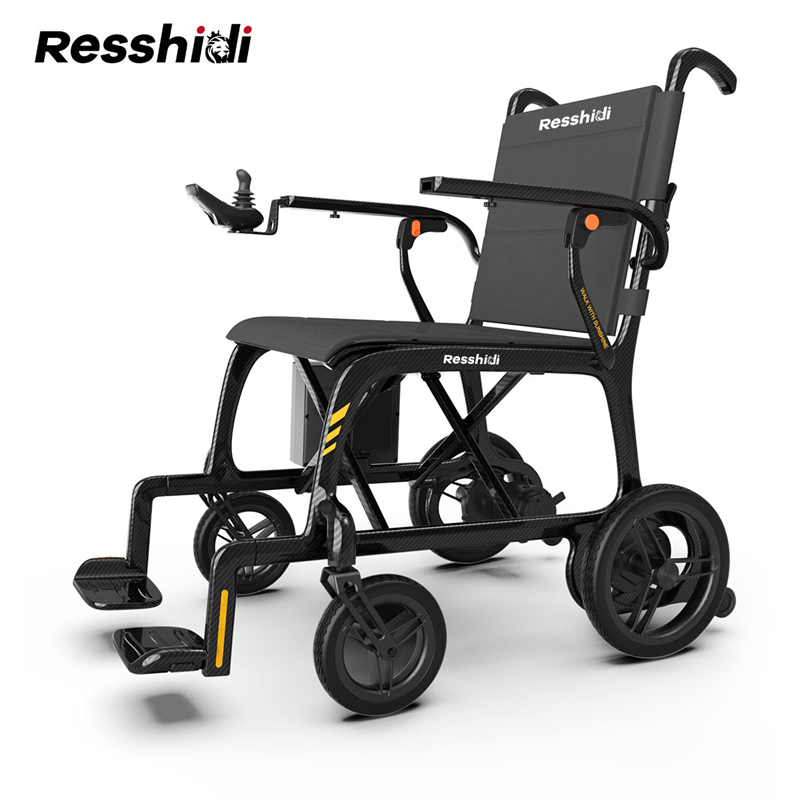
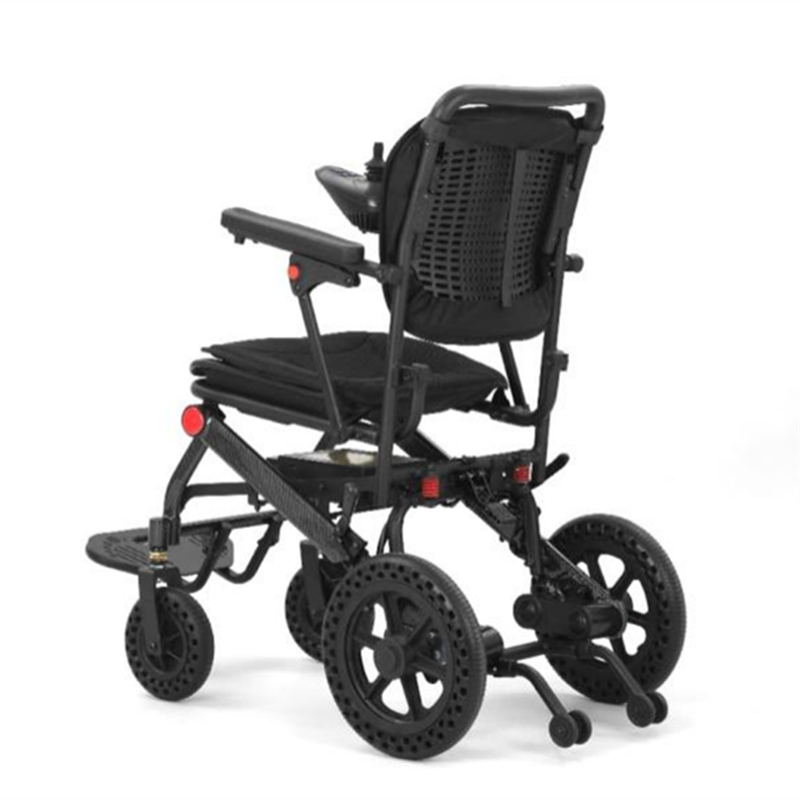
For users who need to travel with an electric wheelchair, the folding mechanism is often the first practical consideration they must address. Currently, the mainstream electric wheelchairs on the market primarily fall into two design categories: front-to-back folding and side-to-side folding. Each of these approaches offers distinct advantages and is suited to different usage scenarios. This article will provide a detailed analysis of the differences between these two folding methods, with a particular focus on why carbon fiber wheelchairs tend to favor the side-to-side folding structure.
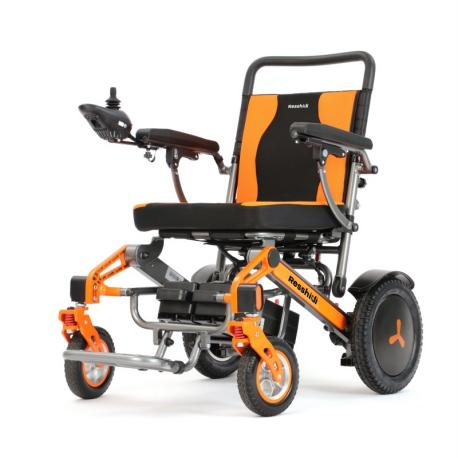
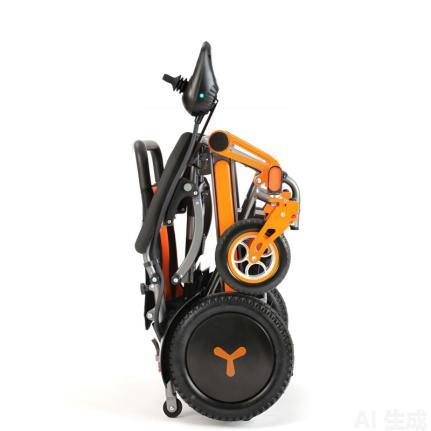
Front-to-Back Folding: A Classic Design with Intuitive Operation
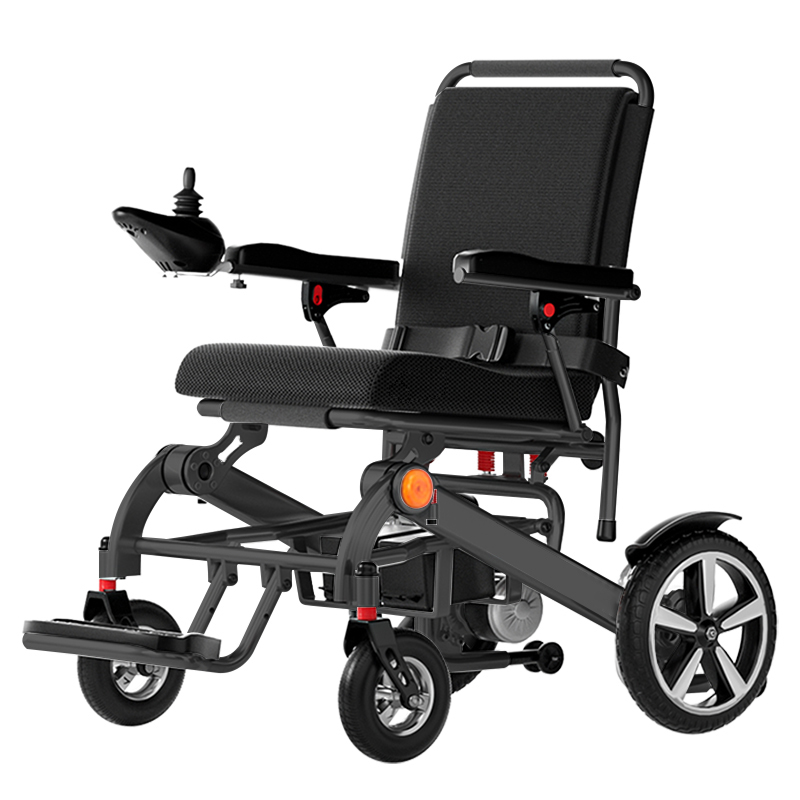
Front-to-back folding represents the most traditional method for collapsing an electric wheelchair. Its underlying principle is similar to that of a standard folding chair: the seat cushion and backrest fold forward or backward against one another. This design features a relatively simple structure; once folded, the unit assumes a flat profile, making it convenient to store flush against a wall or to fit into the relatively long trunk of a sedan.
The primary advantage of front-to-back folding lies in its intuitive operation—most users can master the technique with minimal instruction. Furthermore, thanks to its mature and stable structural design, front-to-back folding is more commonly found in wheelchairs constructed from steel or aluminum alloy. These models are typically more affordably priced, making them well-suited for daily home use or short-distance travel.
However, front-to-back folding does present certain limitations. When folded, the overall length of the wheelchair typically remains unchanged; this can make storage inconvenient for owners of micro-vehicles with relatively shallow trunks. Additionally, after prolonged use, some front-to-back folding wheelchairs may experience structural loosening, necessitating periodic inspections and maintenance.
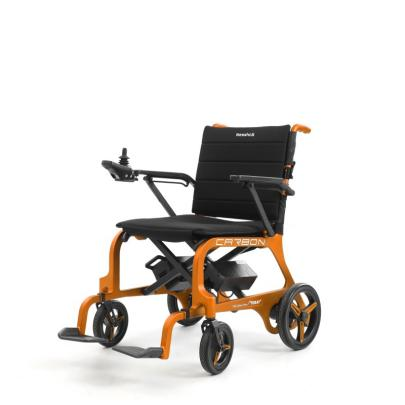
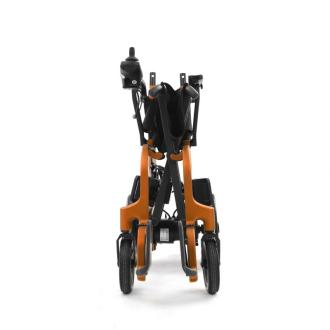
Side-to-Side Folding: Optimized Space and Enhanced Portability
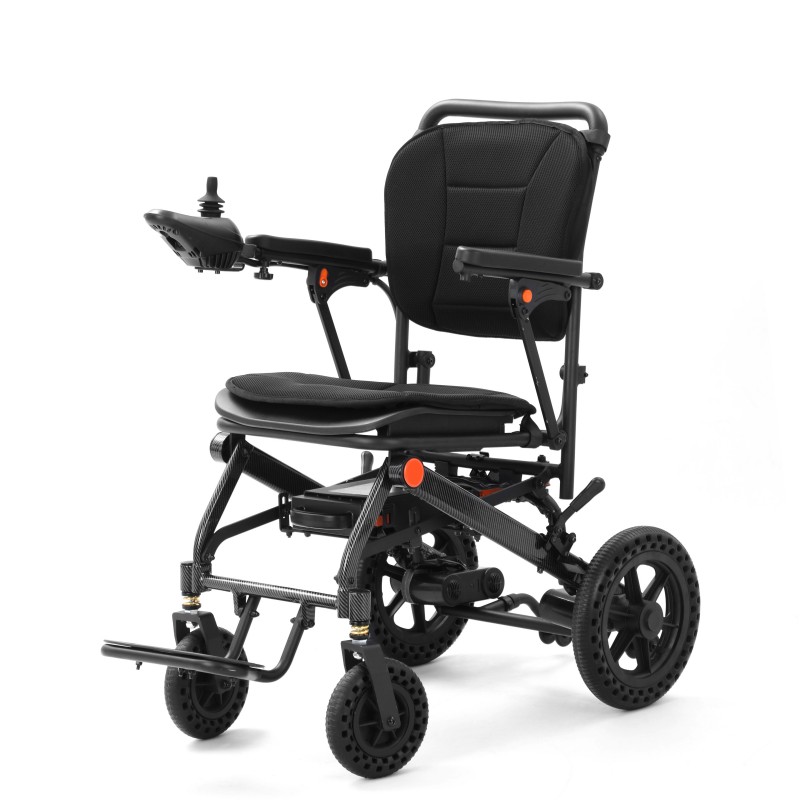
The side-to-side folding design involves the two sides of the wheelchair collapsing inward toward the center. This action significantly reduces the overall width of the device, while its length remains largely unchanged. The greatest advantage of this folding method is the dramatic reduction in lateral footprint, allowing the wheelchair to be easily stowed in narrow storage spaces—such as the back seat of a small car or a compact trunk.
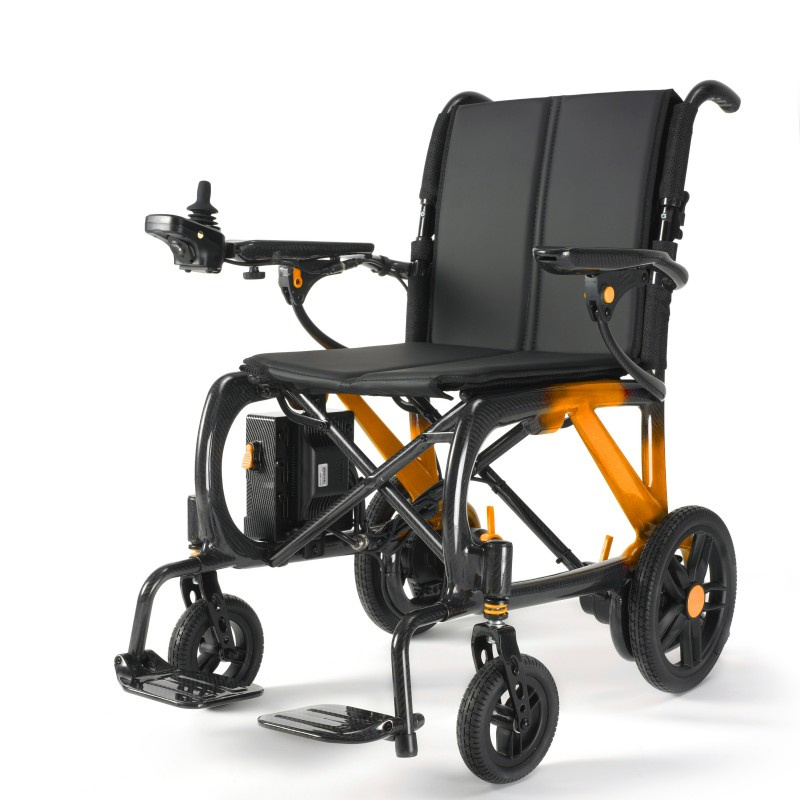
Implementing a side-to-side folding structure requires a more sophisticated hinge design and adherence to higher manufacturing process standards to ensure both smooth folding and structural stability once the wheelchair is fully deployed. This requirement also explains why side-to-side folding wheelchairs are frequently constructed using carbon fiber materials.
Why is Carbon Fiber Best Suited for Side-to-Side Folding?
Carbon fiber is characterized by its exceptional combination of lightweight properties and high strength; it possesses a density that is merely one-quarter that of steel, yet offers a tensile strength that is more than five times greater. This characteristic provides an ideal technical foundation for the left-to-right folding design:
A left-to-right folding structure requires a greater number of moving parts and connection points, placing extremely high demands on material strength. The superior mechanical properties of carbon fiber ensure that the folding mechanism remains stable and reliable, even after repeated use.
The lightweight nature of carbon fiber allows the total weight of a left-to-right folding wheelchair—even with the addition of the folding mechanism—to be kept at around 15 kilograms, making it easy for users to handle. If a steel structure were used to achieve the same folding method, the weight would increase significantly, rendering true portability virtually impossible.
Carbon fiber material possesses excellent fatigue resistance, enabling it to withstand the repetitive stress cycles inherent in a left-to-right folding structure, thereby extending the product's service life.
**Target Users and Selection Advice**
Front-to-back folding wheelchairs are better suited for users whose primary usage is within the home and who do not place a high priority on portability. With their reliable structure and high cost-effectiveness, they represent a sound and dependable choice for many elderly users.
Left-to-right folding carbon fiber wheelchairs, conversely, are better suited for active users who travel frequently and prioritize portability. Whether for stowing in a car trunk, taking on public transportation, or saving space at home, the left-to-right folding design offers a more flexible and convenient experience.
**Resshidi Product Portfolio**
Within the Resshidi product ecosystem, we offer a diverse range of options to meet the varied needs of different users. Our Classic Series primarily features front-to-back folding designs, emphasizing a balance between reliability and affordability; meanwhile, our Lightweight Travel Series utilizes carbon fiber materials combined with left-to-right folding structures, dedicated to providing active users with a truly "burden-free" travel experience.
Regardless of which folding method you choose, the most important factor is ensuring it aligns with your lifestyle habits and frequency of travel. We recommend that users thoroughly evaluate their primary usage scenarios, daily storage conditions, and frequency of transport prior to purchase to ensure they make the most suitable choice.
If you still have questions regarding wheelchair folding methods, or if you would like to learn more about specific product details, please feel free to contact the Resshidi customer service team at any time. We will be happy to provide professional purchasing advice tailored to your specific circumstances.
 Hot News
2026-02-28
2026-02-23
2026-02-18