Brushed vs. Brushless: Which Motor is Right for Your Electric Wheelchair?
At the very heart of electric wheelchair propulsion, the choice between brushed and brushless motors has long been a focal point of user interest. Each type possesses distinct characteristics, making them suitable for different usage requirements and budgetary constraints.
**Differences in Operating Principles**
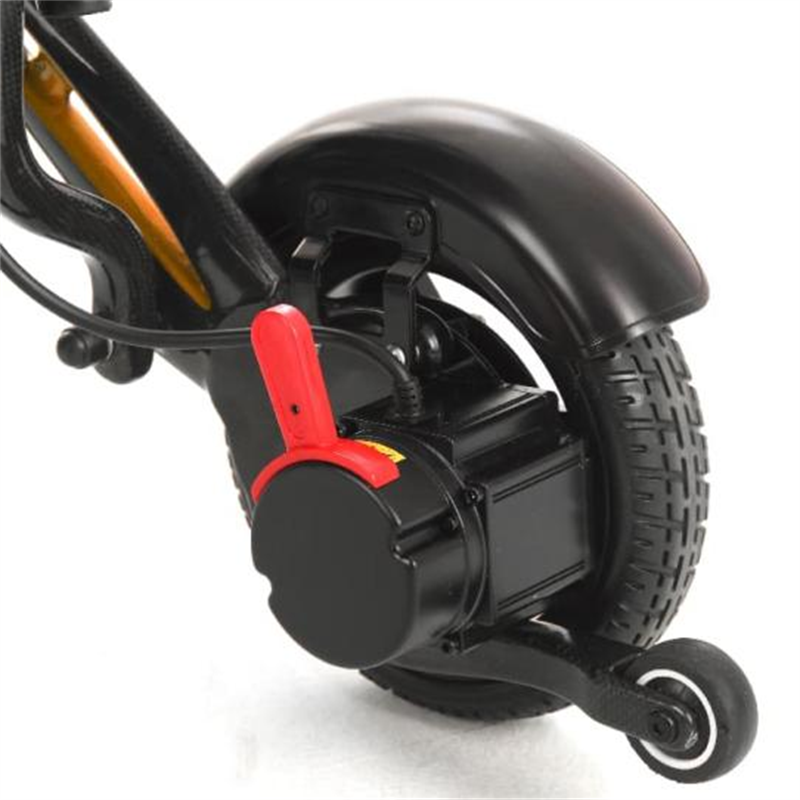
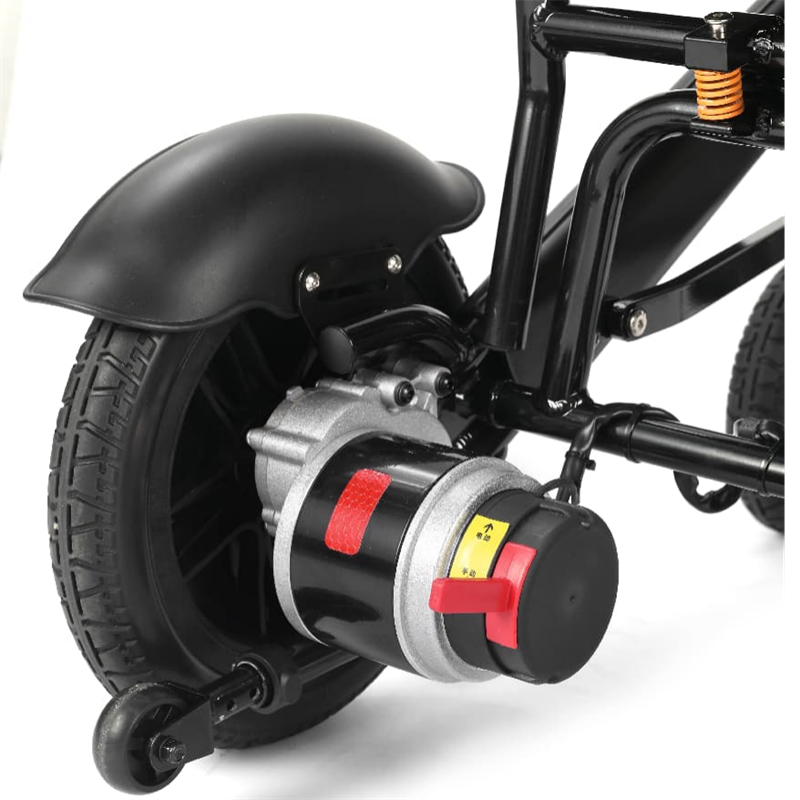
Brushed motors rely on direct contact between carbon brushes and a commutator to switch the direction of the electric current. This technology—validated over decades of use—boasts the advantages of a simple structure and rapid startup capabilities. Empirical testing indicates that, at equivalent power outputs, brushed motors deliver approximately 15% more torque during startup than their brushless counterparts; consequently, they perform exceptionally well when starting on inclines or when immediate, high-intensity power is required.
Brushless motors, conversely, utilize an electronic control unit to manage commutation. This design completely eliminates wear-prone components such as carbon brushes, achieving energy conversion efficiencies exceeding 85% and representing a more modern technological approach.
**Comparison of Performance Characteristics**
**Range/Endurance:** Due to their higher efficiency, brushless motors can travel approximately 20% further than brushed motors on the same battery capacity, making them ideal for users who require a wider radius of activity.
**Maintenance Costs:** Brushed motors require carbon brush replacement—along with the removal of friction-generated dust—every 2,000 to 3,000 hours of operation. Brushless motors, however, contain virtually no wear-prone parts; routine maintenance requires nothing more than keeping the exterior clean, resulting in significantly lower maintenance frequency and costs.
**Operating Noise:** During operation, the friction between the carbon brushes and the commutator in brushed motors generates noise levels of approximately 55 decibels. Brushless motors, relying on electronic commutation, can keep noise levels below 40 decibels, making them better suited for environments with strict noise restrictions—such as hospitals and libraries.
**Recommended Use Cases**
**Budget-Conscious Users:** Brushed motors feature lower initial purchase costs and benefit from widespread repair service availability. They are an excellent choice for price-sensitive markets—such as developing nations—and for settings with limited access to specialized repair facilities, such as rural nursing homes.
**Quality-Focused, High-End Users:** Although the initial investment for brushless motors is slightly higher, they offer a hassle-free, quiet, and longer-range experience over the long term. Consequently, they are highly popular in mature markets such as Europe and North America. Specific Environmental Considerations: If your residential area features numerous ramps or inclines, the high-torque characteristics of a brushed motor will prove more practical. Conversely, if you require prolonged, continuous travel—such as for a daily commute lasting several hours—the superior stability and lower heat generation of a brushless motor offer distinct advantages.
**Purchasing Guide**
**Elderly Users:** We recommend models equipped with brushed motors. Their gentler acceleration curve—especially when paired with a "soft-start" function—enhances safety, while their ease of maintenance makes it convenient for family members to assist with upkeep.
**Active Young and Middle-Aged Users:** Brushless motors are better suited to meet diverse mobility needs. We recommend selecting models featuring multi-level speed adjustment settings to allow for flexible adaptation to varying road conditions.
**Institutional Buyers:** For low-usage environments (e.g., community activity centers), opting for brushed motors can help minimize initial capital investment. However, for high-usage environments (e.g., large hospitals or wheelchair rental agencies), we recommend investing in brushless motors to effectively reduce overall long-term operational and maintenance costs.
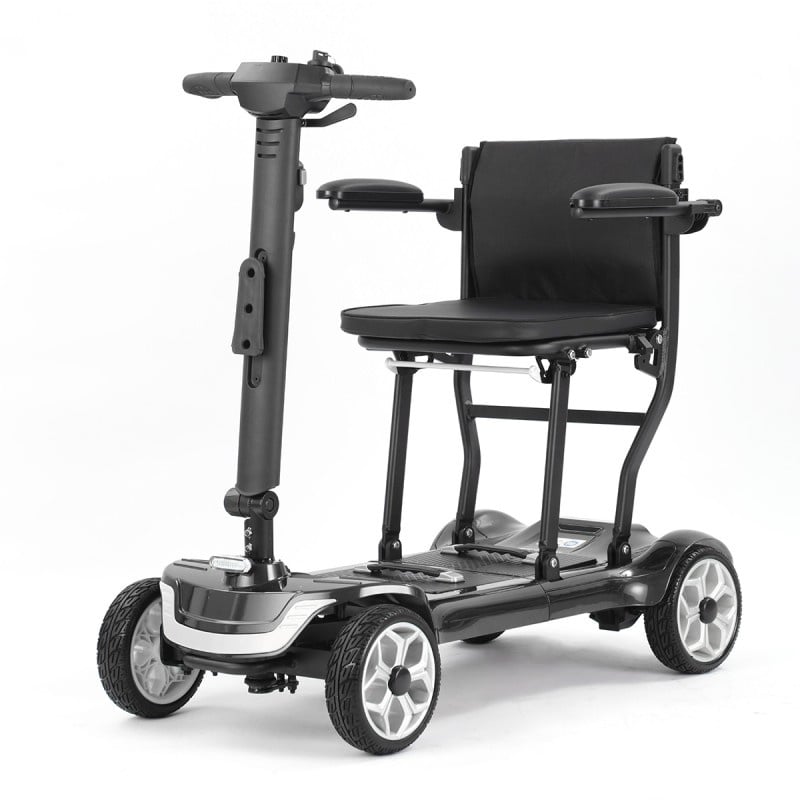
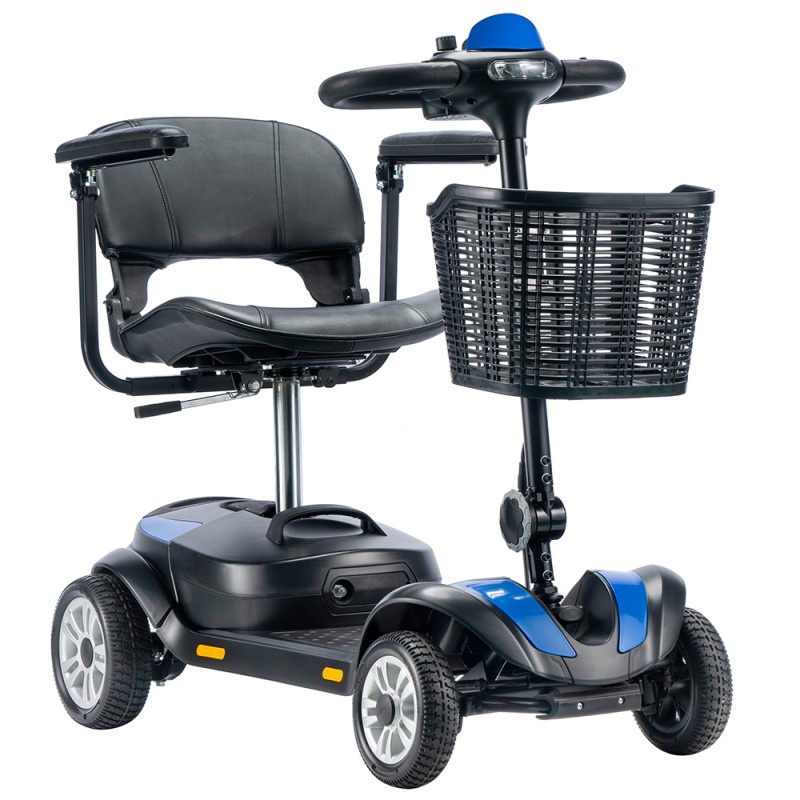
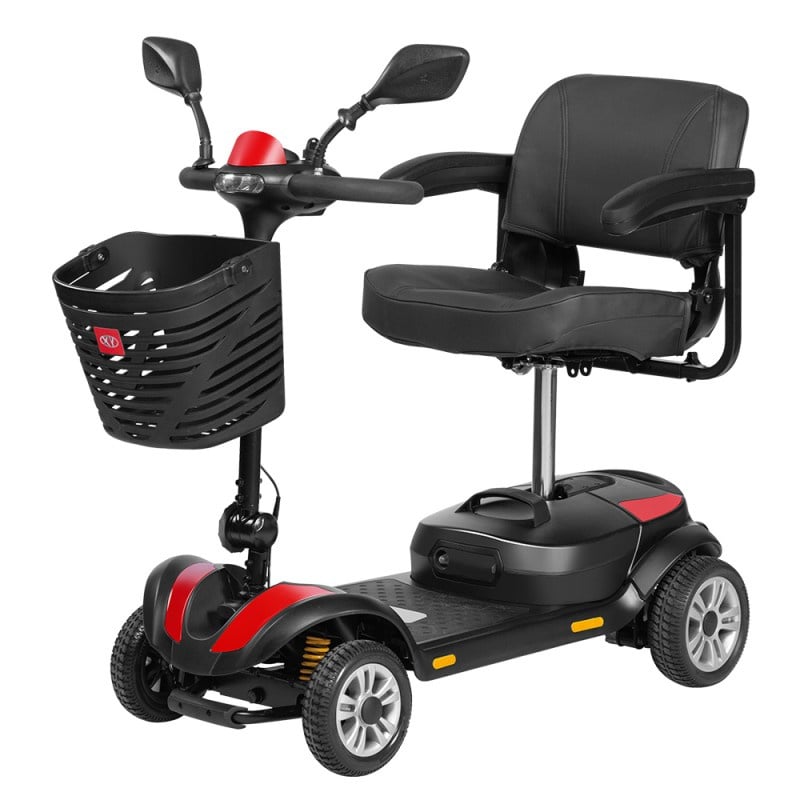
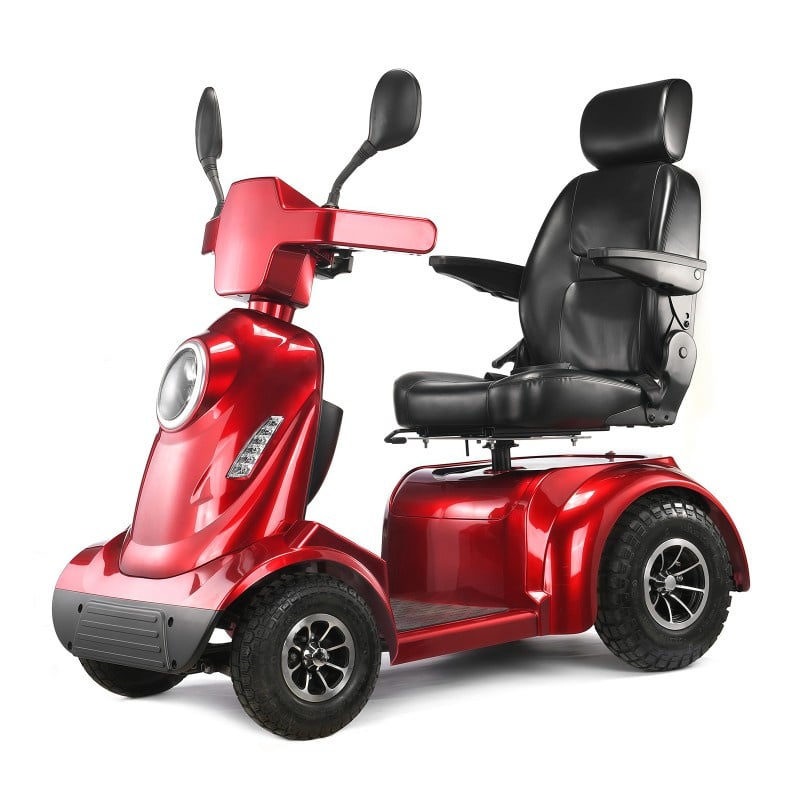
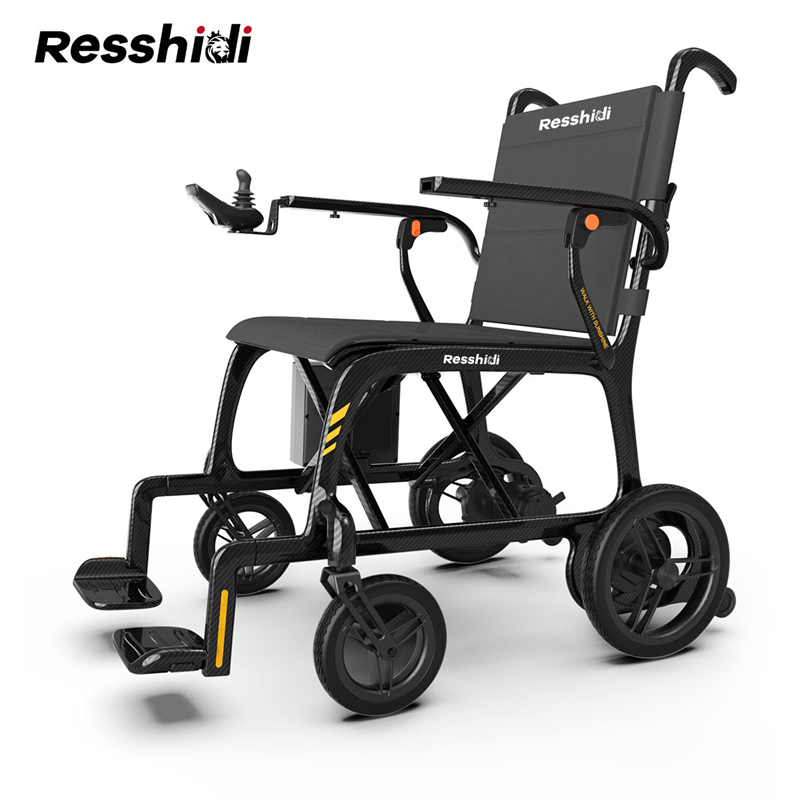
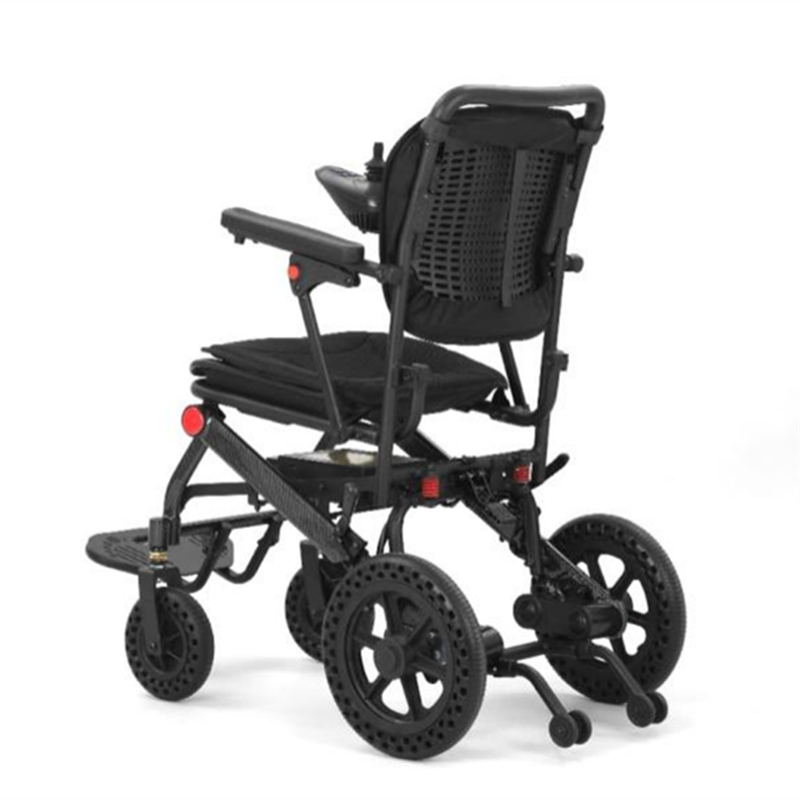
Resshidi offers electric wheelchairs available in both brushed and brushless motor configurations, empowering customers worldwide to make more informed and cost-effective choices tailored to their specific real-world scenarios.
 Hot News
2026-02-28
2026-02-23
2026-02-18