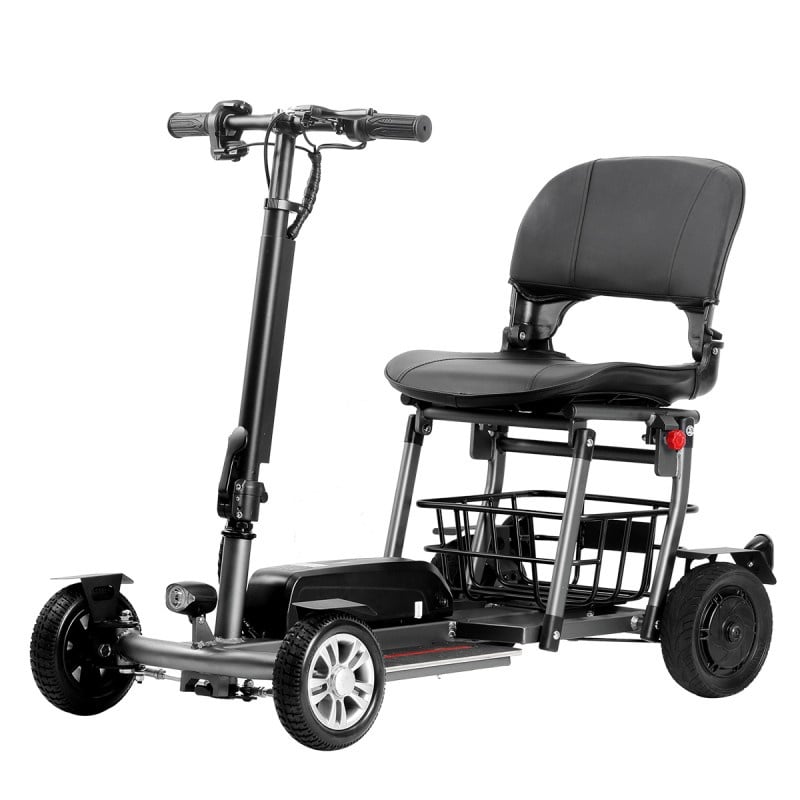
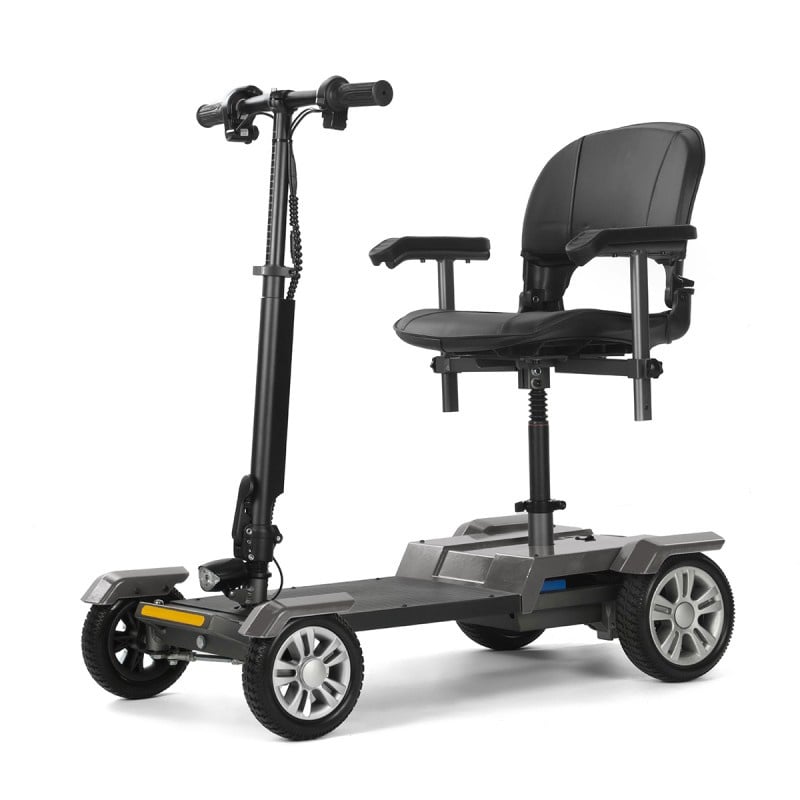
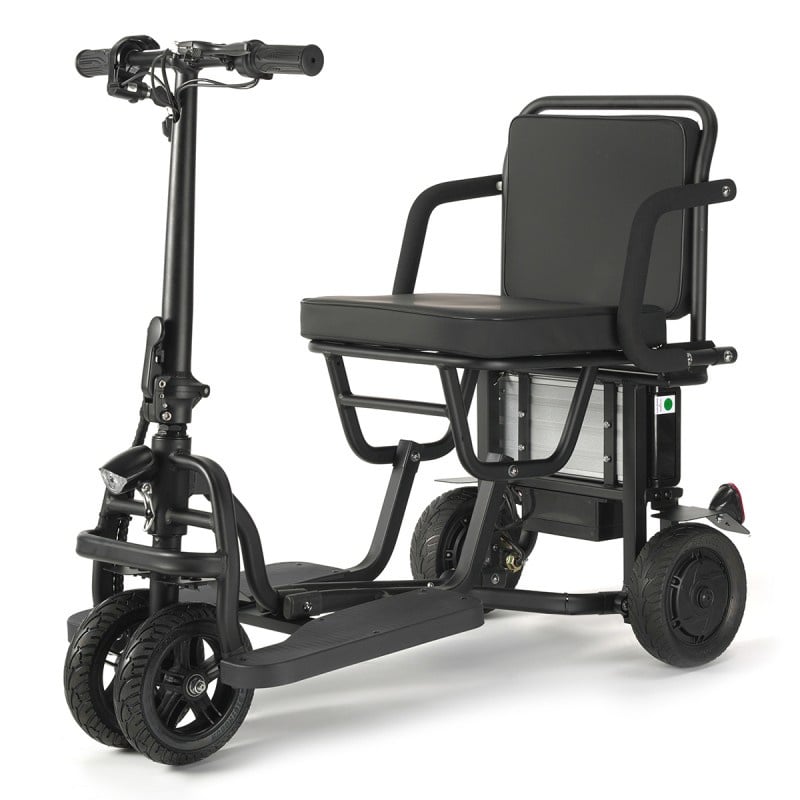
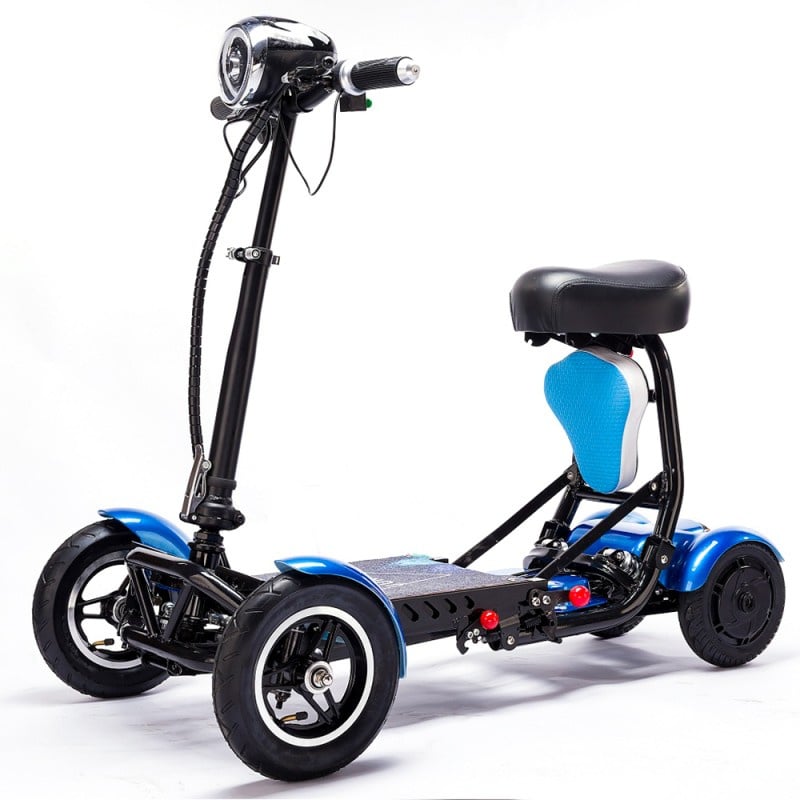
In today's world of increasingly diverse personal mobility tools, 3-wheel and 4-wheel electric mobility scooters represent two primary options that consumers frequently find themselves weighing. Each design philosophy emphasizes different priorities, catering to distinct lifestyle scenarios and usage habits.
**Differences in Body Structure and Stability**
3-wheel mobility scooters typically feature a wheel configuration of one wheel in the front and two in the rear, or vice versa. Their standout feature is their exceptional steering agility. Thanks to a tight turning radius, these models can easily execute a U-turn within a passageway just 1.2 meters wide—a capability that proves particularly convenient when navigating between supermarket aisles or moving through home hallways. However, this structural design can result in a noticeable sensation of lateral tilting when turning at slightly higher speeds; for everyday use, it is recommended to keep the vehicle speed under 10 km/h.
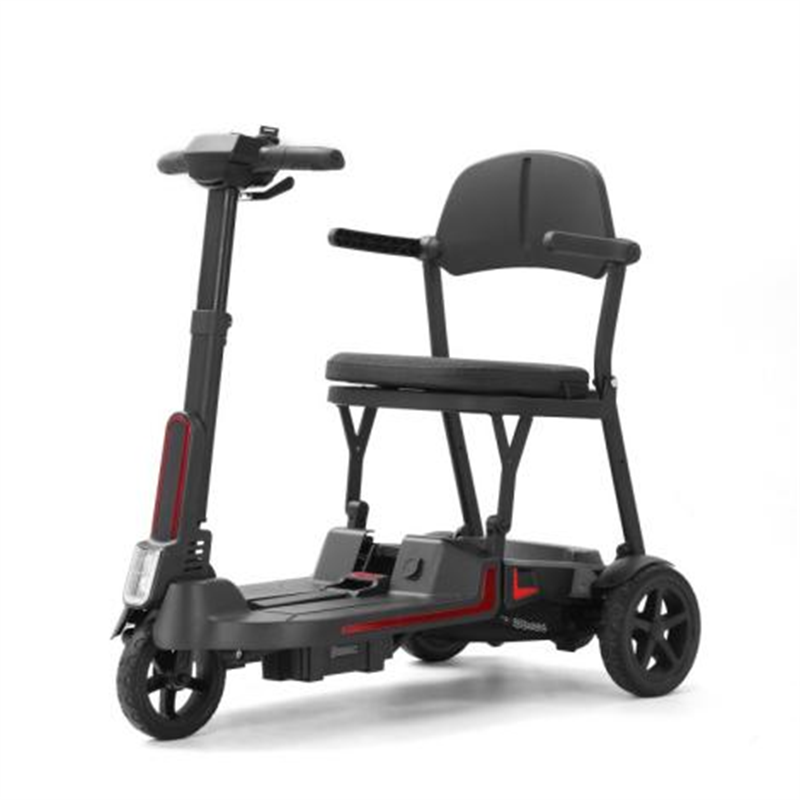
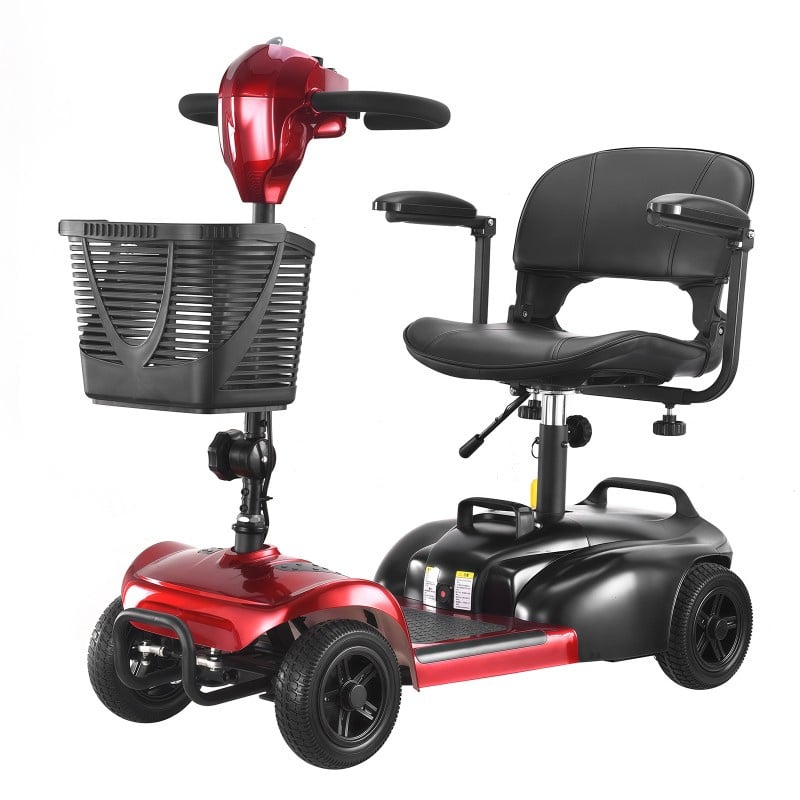
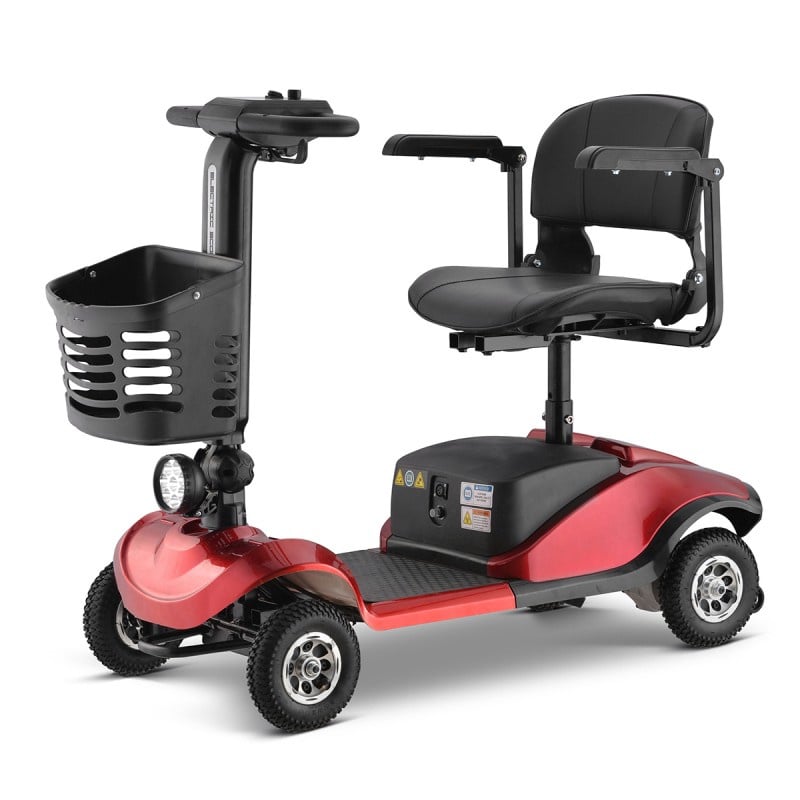
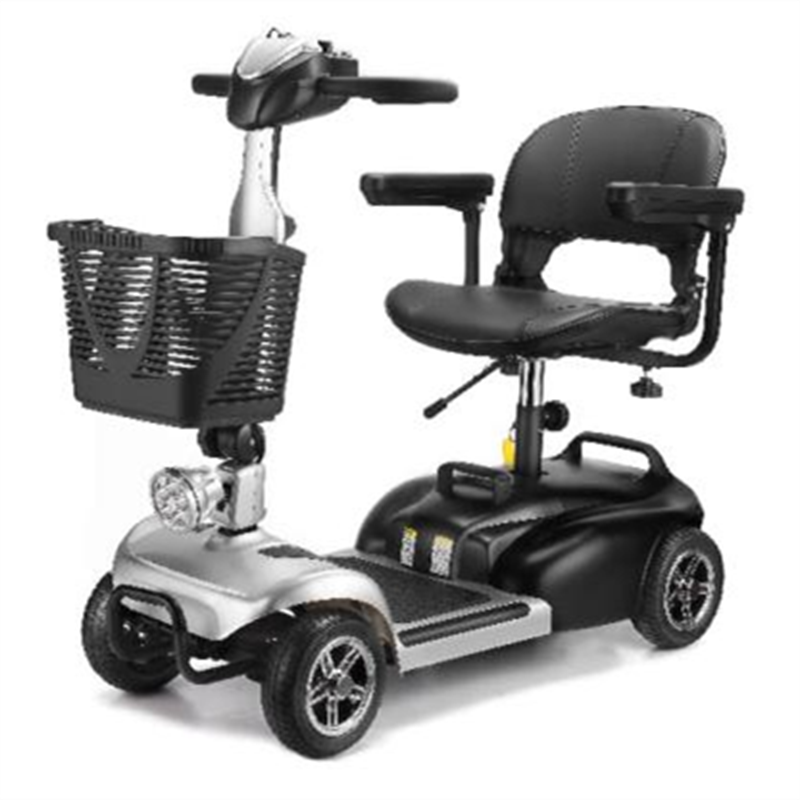
4-wheel mobility scooters, by contrast, employ a symmetrical four-point support design that delivers significantly superior driving stability. Test data indicates that 4-wheel models remain stable even on inclines of up to 15 degrees, boasting an anti-rollover capability approximately 40% higher than that of their 3-wheel counterparts. The addition of a fourth wheel not only increases the maximum load capacity but also creates space for mounting a storage basket; indeed, the cargo capacity of some 4-wheel models can reach up to 15 kilograms.
**Adaptability to Different Environments**
In urban settings, the agility of 3-wheel mobility scooters truly comes into its own. Their compact body size and lighter weight (typically ranging between 25 and 35 kilograms) make them easy to load into a car trunk and effortless to maneuver within elevators and stairwells. For elderly users residing in high-rise apartment buildings, this inherent flexibility offers tangible, everyday convenience.
4-wheel mobility scooters, on the other hand, are better equipped to handle complex road conditions. Their larger tires allow them to navigate brick-paved paths, gentle slopes, and moderately bumpy terrain with ease. If a user frequently visits parks, travels along rural roads, or encounters uneven surfaces within their local community, the smoother riding experience provided by a 4-wheel model makes it a far more appealing choice.
**Performance Parameters and Handling Experience**
In terms of battery range, 4-wheel mobility scooters benefit from the ability to accommodate larger-capacity battery packs. Consequently, a single charge typically allows them to travel between 20 and 25 kilometers—a range approximately 20% greater than that of comparable 3-wheel models. For users with an extensive range of activity, this disparity is a factor worth serious consideration.
There is also a noticeable difference in handling feel. Three-wheeled models utilize an axle-based steering design, offering light and direct operation; four-wheeled models require slightly more steering effort, but provide more precise trajectory control. For users with limited hand strength, three-wheeled models may be easier to master.
**Purchasing Recommendations**
**Users in rural areas or regions with poor road conditions:** It is recommended to prioritize four-wheeled mobility scooters. Their superior terrain clearance and stability make them better suited for unpaved surfaces. Models featuring high ground clearance and deep tire treads are particularly recommended.
**Users with a heavier body weight (over 100 kg):** Four-wheeled mobility scooters are more appropriate; their reinforced frames and balanced load distribution offer a more reliable safety assurance. Some heavy-duty models boast a maximum weight capacity of up to 150 kg.
**Users who frequently undertake medium-to-long-distance journeys:** The extended range and more ergonomic seat designs of four-wheeled models effectively alleviate fatigue associated with prolonged periods of sitting.
**Users with limited living space or whose activities are primarily indoors:** Three-wheeled mobility scooters—thanks to their tight turning radius and lighter weight—are easier to maneuver in confined spaces and are also more convenient to store.
As demonstrated by the comparison above, neither three-wheeled nor four-wheeled mobility scooters possess an absolute advantage over the other. The key lies in matching the device to your specific usage environment, physical condition, and travel habits. We hope this guide assists you in making a well-informed decision and finding the perfect mobility companion for your needs.
 Hot News
2026-02-28
2026-02-23
2026-02-18