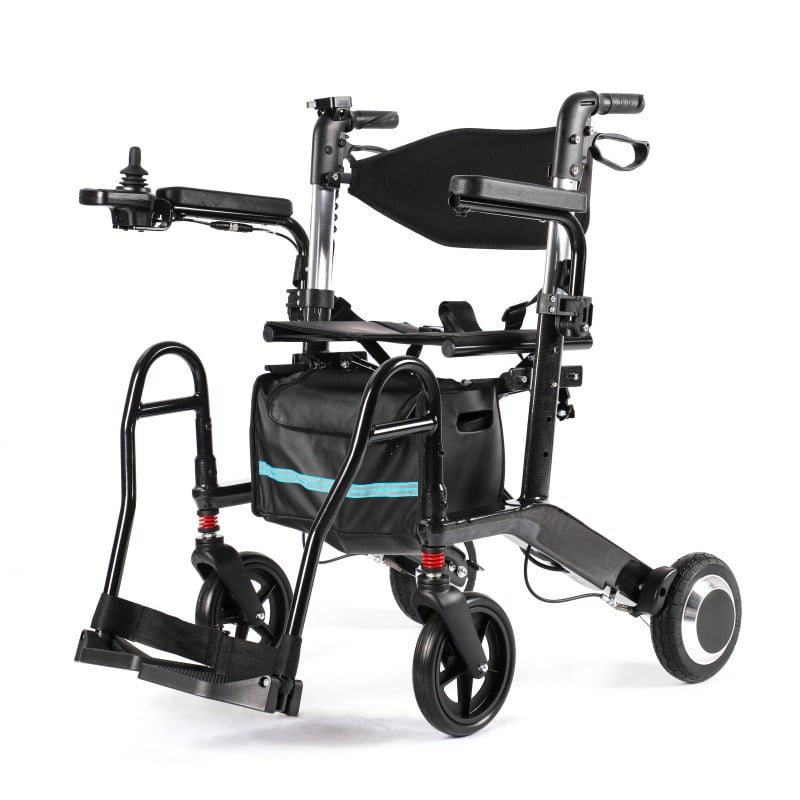
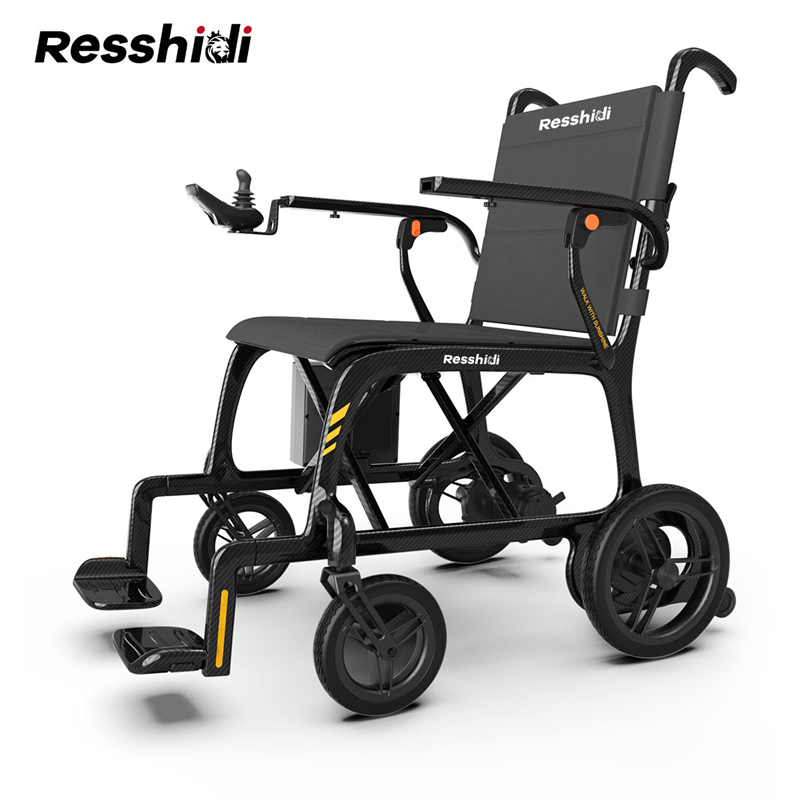
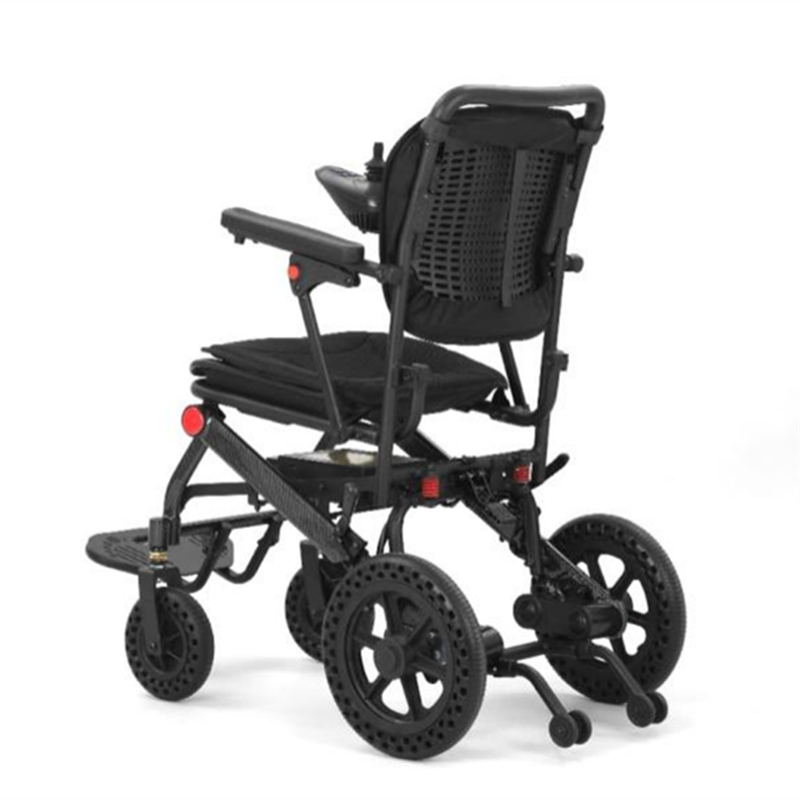
Within the electric wheelchair sector, frame materials are undergoing a rapid transition—moving away from a traditional emphasis on "heavy‑duty sturdiness" toward a new priority of "low weight with high strength." According to tracking data from Resshidi, by 2025, more than 75% of all new electric wheelchair models launched globally will incorporate lightweight materials such as carbon fiber, magnesium alloys, and aluminum alloys. This marks a significant leap from five years ago, when the share stood below 50%. These material breakthroughs are fundamentally transforming the way users experience mobility.
Carbon Fiber: Setting the Gold Standard for Ultra‑Lightweight Design
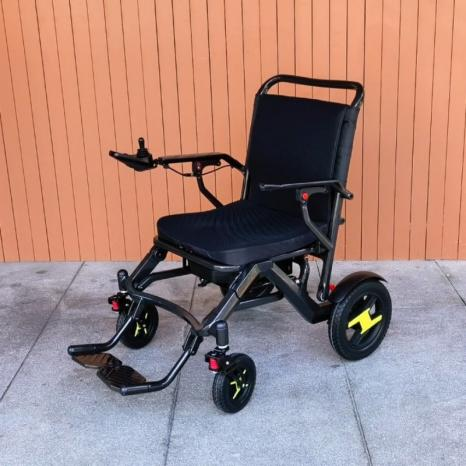
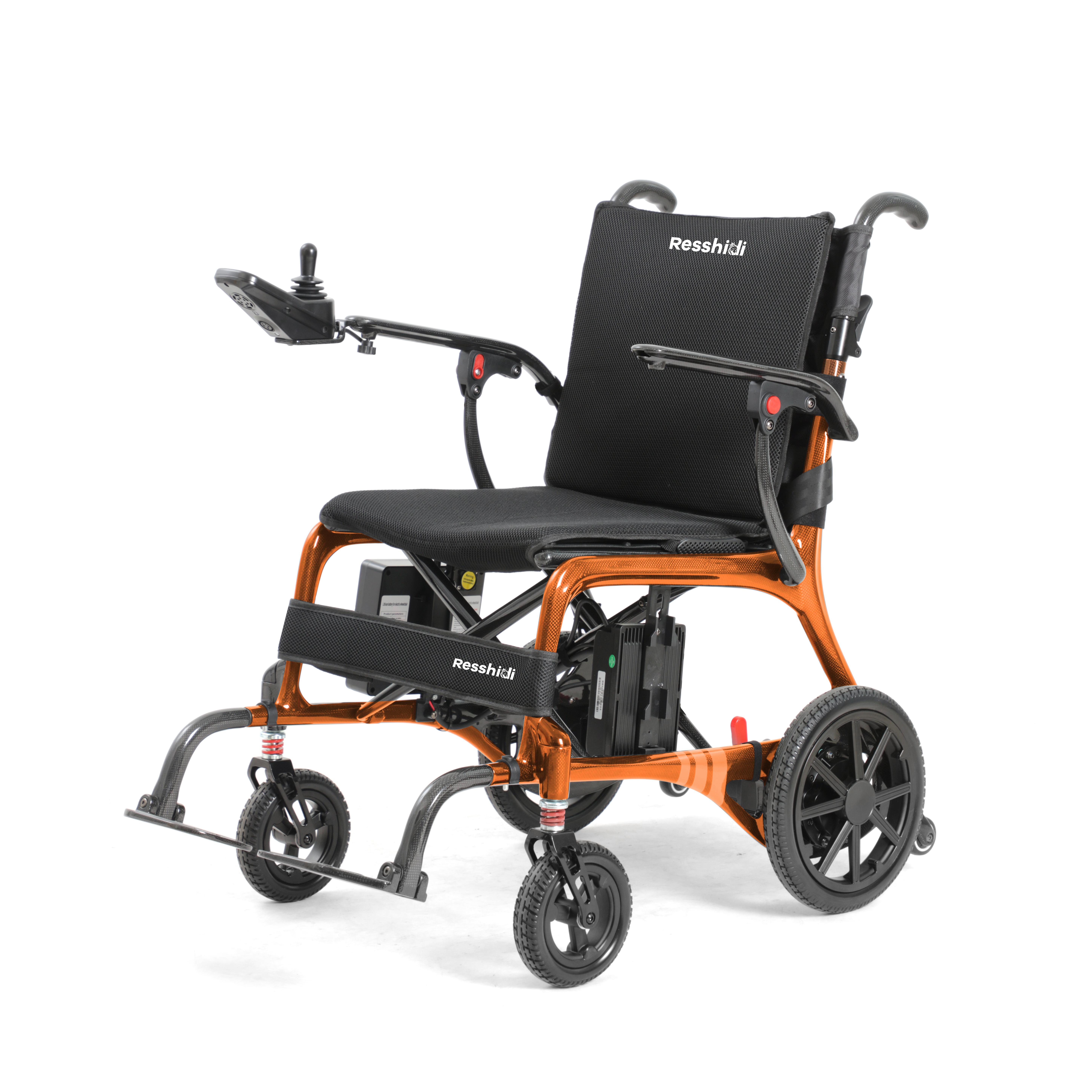
Carbon fiber composites, renowned for their outstanding strength‑to‑weight ratio, have become the preferred choice for premium electric wheelchairs. Resshidi’s internal test results show that wheelchairs built with carbon fiber frames can weigh as little as 15 kg—roughly 30% less than equivalent aluminum‑alloy models. This weight saving translates directly into practical benefits: users can lift the chair with one hand, board an aircraft with ease, and stow it in a car boot without external help. Currently, Resshidi’s carbon fiber lineup is enjoying annual sales growth of over 35% in both Europe and Japan, underscoring its strong market appeal.
Magnesium Alloy: Where Cushioning Meets Lightness
Magnesium alloy has a density about two‑thirds that of aluminum, and it offers exceptional damping properties that effectively absorb road vibrations. Real‑world tests by Resshidi’s engineering team indicate that, on the same terrain, magnesium‑alloy wheelchairs produce roughly 30% less vibration than their aluminum counterparts, while also shedding an additional 15‑20% of weight. This makes magnesium alloy particularly well suited for uneven outdoor surfaces and extended sitting periods. Although current production costs for magnesium alloy remain higher than for aluminum, its acceptance in the high‑end market is climbing swiftly.
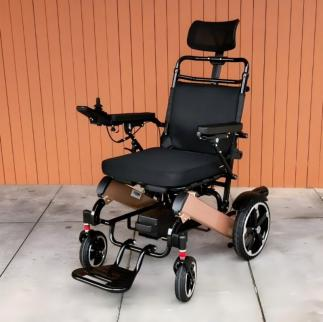
Aluminum Alloy: The Cost‑Performance Champion and Mainstay of the Mass Market
Thanks to well‑established processing techniques, good corrosion resistance, and affordable pricing, aluminum alloy continues to hold the largest market share. For home users, community care projects, and hotel rental services, aluminum alloy wheelchairs deliver an ideal balance among weight, load capacity, and cost. Through specialized treatment processes, Resshidi has extended the service life of its aluminum frames to between five and eight years.
Data‑Guided Material Choices: Resshidi’s Lightweight Product Strategy
Resshidi’s materials research unit regularly assesses region‑specific data—including user sensitivity to wheelchair weight, local terrain, and usage frequency—to optimize material selection across its product families. For example, economical models destined for Southeast Asia emphasize enhanced rust‑proof aluminum alloys, while carbon‑fiber and magnesium‑alloy versions are primarily promoted to discerning individual buyers in Europe. The company has also developed a comprehensive material‑cost‑performance database, enabling customers to align their choices with specific needs during the procurement process.
Resshidi is convinced that every material upgrade represents a genuine step forward in user quality of life. By combining robust data analysis with solid engineering know‑how, the company is committed to delivering electric wheelchair solutions that are lighter, stronger, and more dependable to markets worldwide.
 Hot News
2026-02-28
2026-02-23
2026-02-18