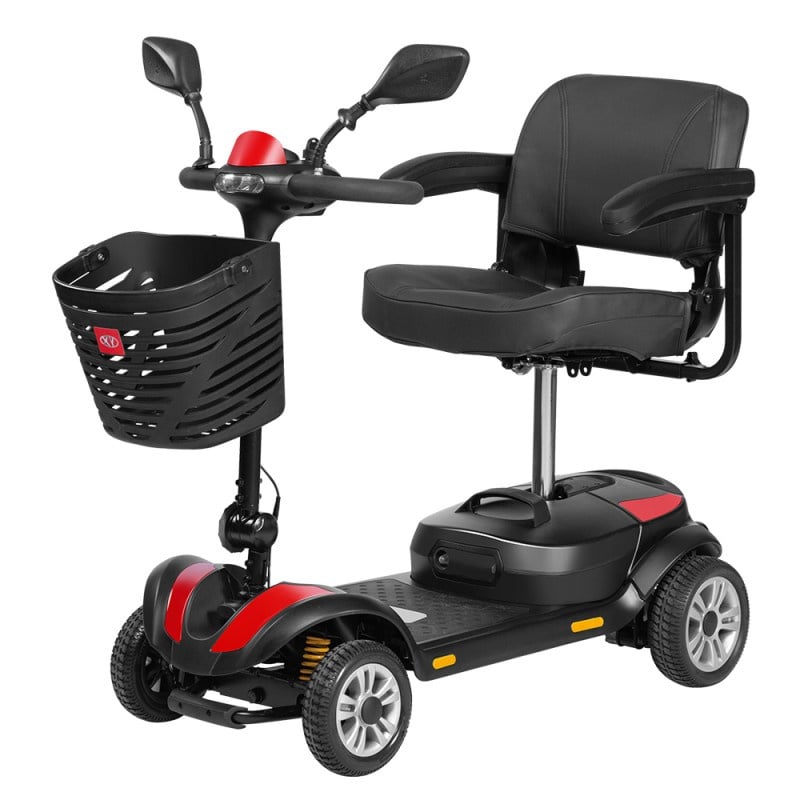
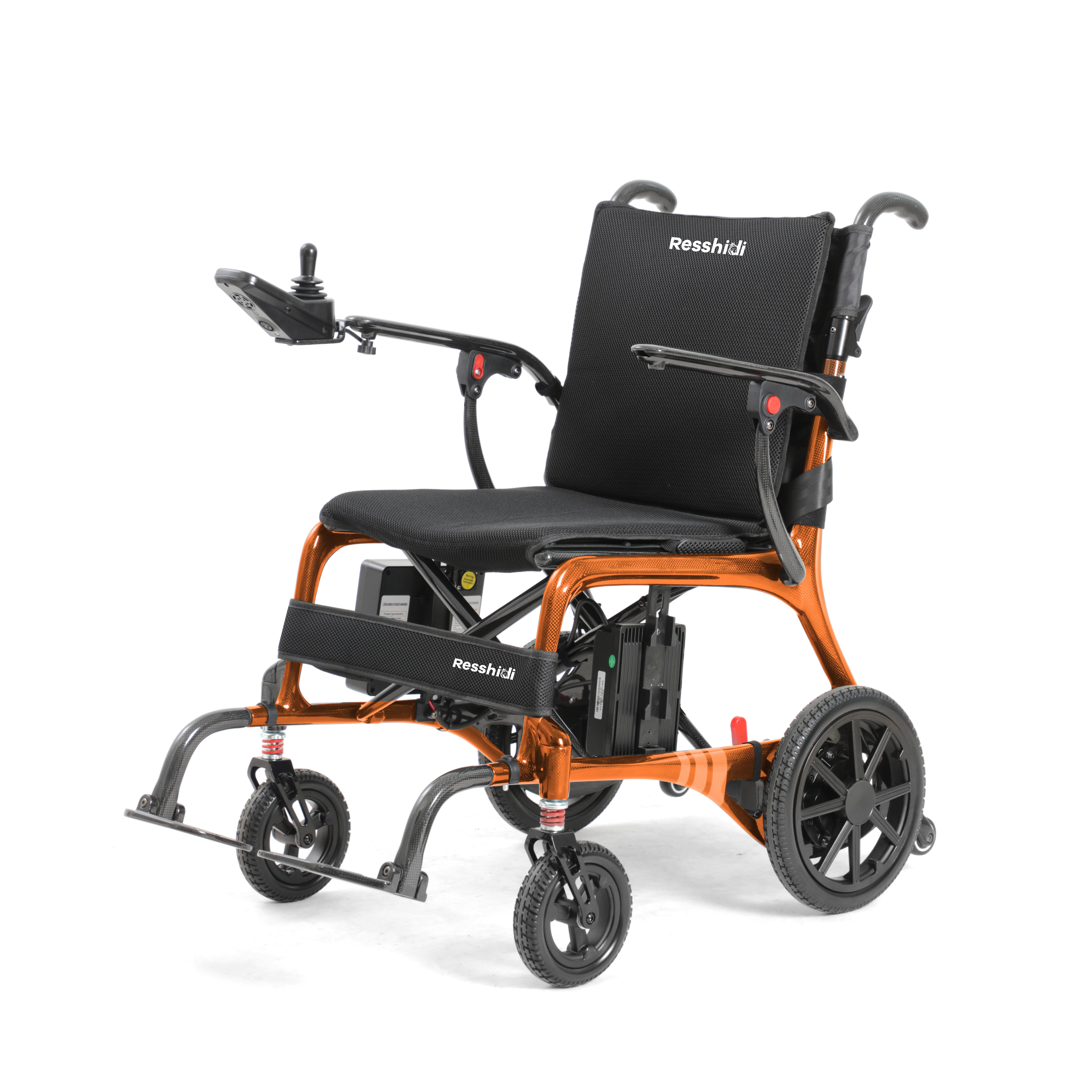
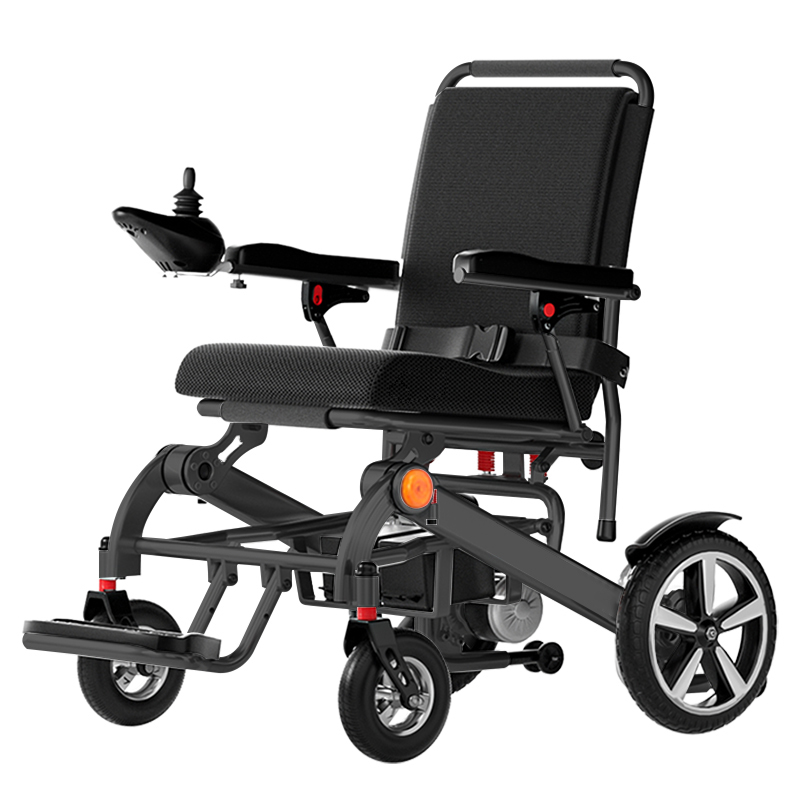
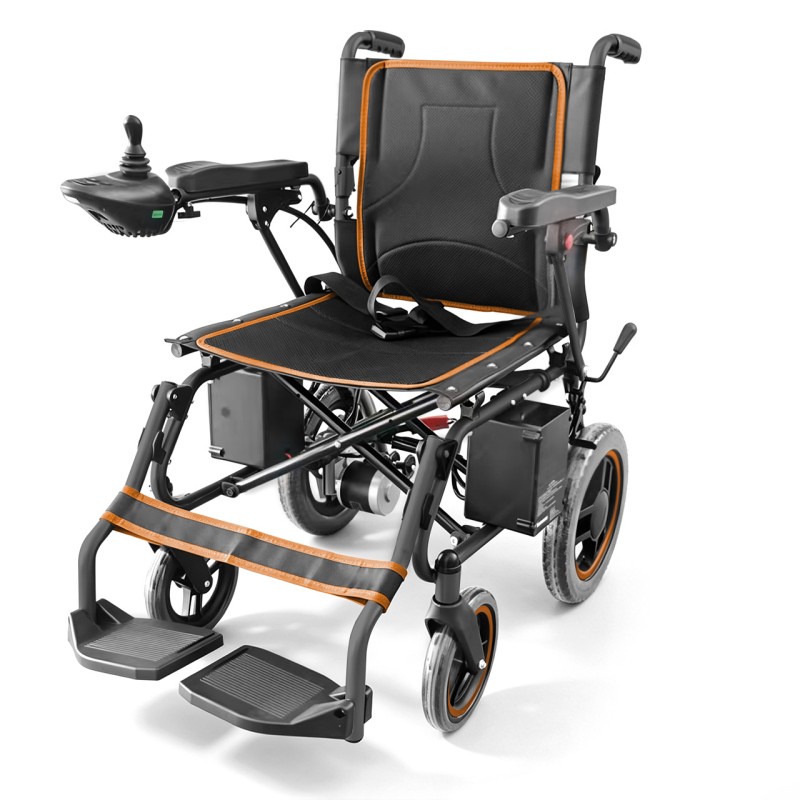
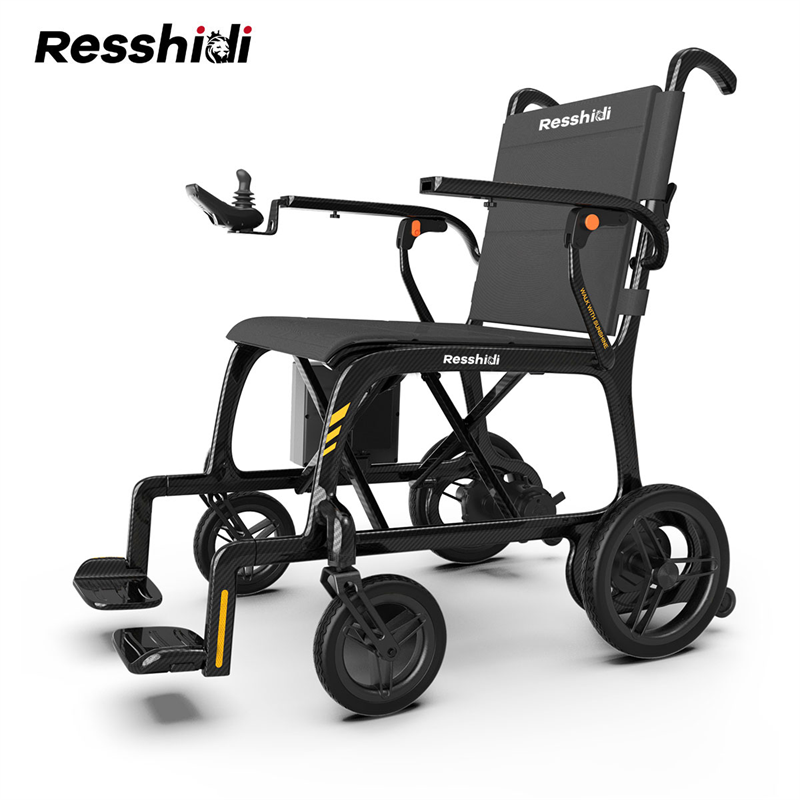
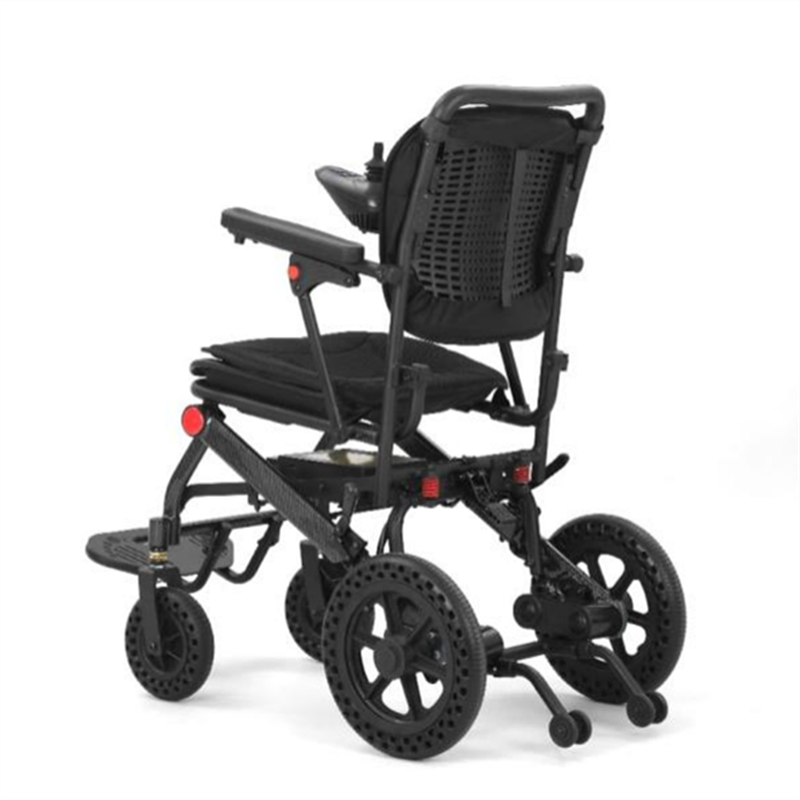
We have covered the meeting-room table in coloured cards. The folding chairs have borrowed blue; scooters are green; two display units, for no profound reason, are yellow. The planner nudges one blue card into an empty rectangle and says, “One more fits.” Sales looks at the same card and asks, “Will we sell it?” The warehouse asks, “Can we reach the label?”
All three questions belong in mixed-model mobility product container planning. A container is not successful merely because its final corner is occupied. The stock has to match demand, travel safely, come out in a workable order and still make sense to the receiving team on a wet Monday morning.
At Resshidi, we begin with the named products and current carton information, not a target number imagined in advance. Freight space matters. So do identification, dealer training, battery paperwork, service knowledge and the buyer's ability to turn arriving cartons into accurate stock.
Blue number one is a travel-focused chair. Its neighbour is the model dealers expect to show every day. A scooter may be intended for display, while a larger format answers an existing enquiry.
“There was room” is not a sales role. Each extra SKU brings its own product page, manual, training, receiving rule, demonstration and service conversation. The final few cartons can save freight on paper while quietly adding more operational work than they save.
For a launch order, a little empty ambition is healthy. Enough units for display and early demand may teach more than deep stock in an untested option. Mixed-model mobility product container planning should leave the distributor room to discover which colour, configuration and product story customers actually choose.
Buyers can explore Resshidi's electric wheelchair manufacturing page and mobility scooter manufacturing page while building the range. The order itself uses exact models, revisions and agreed configurations.

Now we turn each card over. On the back go current carton length, width, height, gross weight, orientation, stacking restriction and battery/configuration identifier. Units are printed beside every figure. The source and revision date sit at the bottom.
One missing dimension can produce an impressively confident spreadsheet and a very unimpressed loading door. We check the current quotation and approved packaging record, then ask about any change after the sample: new foam, revised accessories, another carton or pallet arrangement. A few millimetres multiplied through rows can move the entire plan.
Commercial prices stay out of the working loading map. Only authorised colleagues handling landed-cost decisions need that confidential information. The warehouse version needs product and handling truth, not a price list wandering through an operations folder.
This is the unglamorous heart of mixed-model mobility product container planning: named SKU, dependable carton, readable unit and a date. Without those four, the neat grid is theatre.
A theoretical volume calculation is a useful ceiling, not a loading instruction. We sketch the container interior, door opening and floor first. Pallets, bracing, voids, usable stacking and orientation take their share. Weight distribution gets its own view; heavy cartons cannot simply sit wherever the colour pattern looks tidy.
Then we draw the unloading sequence backwards. Which stock must the receiving warehouse reach first? Which cartons should not bear another product? Can every outward label be read without climbing into an unstable gap? A model map taped near the doors may save an hour of searching later.
The freight forwarder and loading team review the real arrangement. Their practical questions matter: access for equipment, securing method, route conditions and the point at which an elegant office plan becomes awkward on the floor.
We also name the substitution rule. Perhaps none is allowed. If a quantity changes during final preparation, who can approve the replacement SKU, and what data must be recalculated? “Similar carton” is not enough; the product, gross weight, battery paperwork and receiving map may all change.
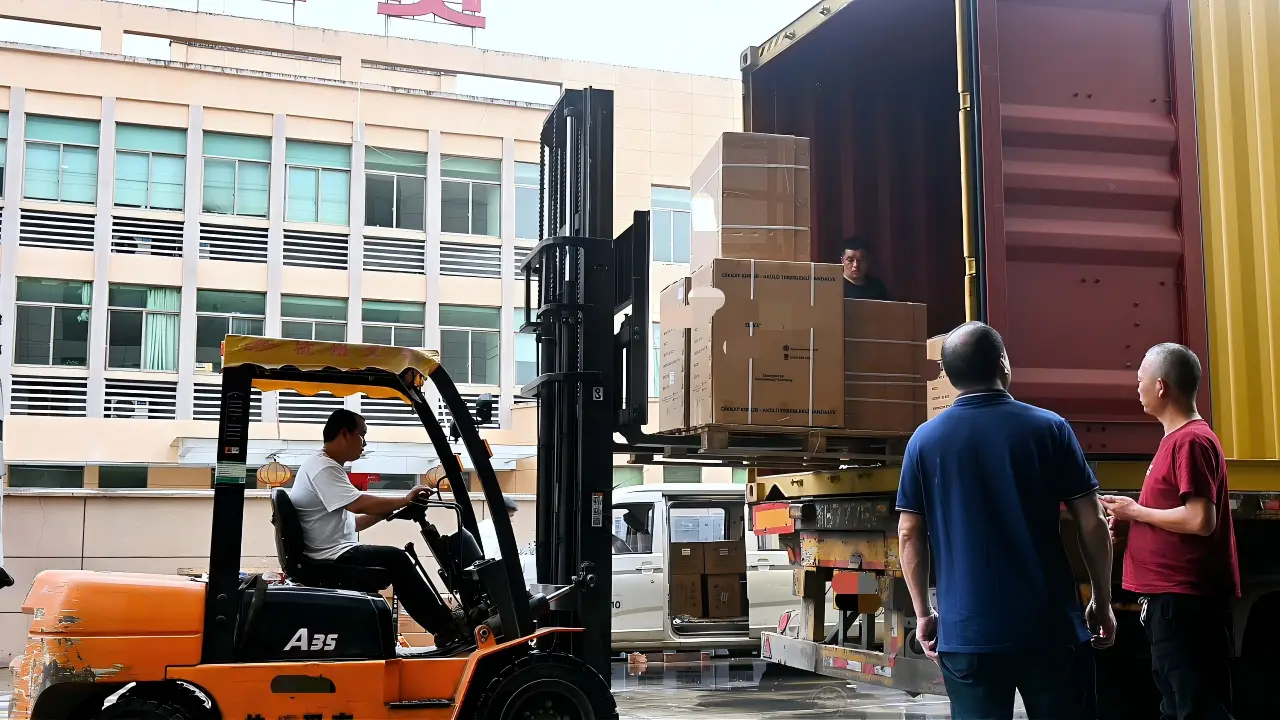
A mixed load may contain several battery configurations. Similar products, or even neighbouring models, do not automatically share transport documentation. The selected model, battery and route have to be reviewed with the responsible supplier, freight forwarder and compliance party.
We place a documentation status beside every card before the loading plan is released. Confirmed is one status. “Probably covered by the other model” is not. If a required paper, label or route decision remains open, the coloured card stays outside the final rectangle.
We put that caution inside mixed-model mobility product container planning, before anybody hears a container door close. Carton and documents are travelling companions; the fact that Excel seats them on different tabs changes nothing.
Tell us the Resshidi models, destination market, intended quantities and warehouse constraints. We can help organise the product information behind mixed-model mobility product container planning without exposing confidential pricing. Browse the mobility product portfolio, then bring the awkward carton and SKU questions to the Resshidi enquiry page.
 Hot News
2026-02-28
2026-02-23
2026-02-18