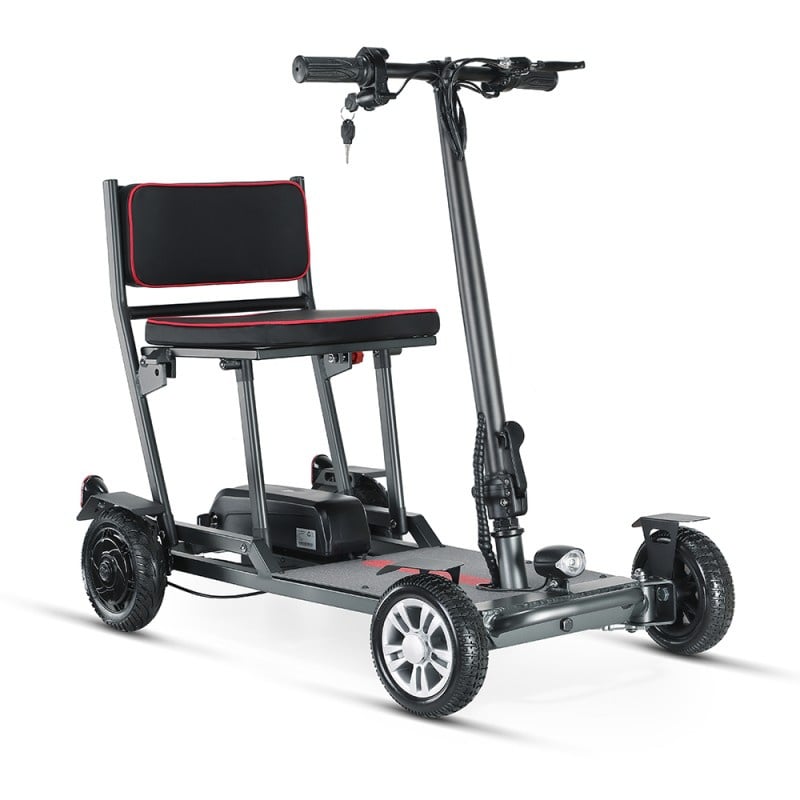
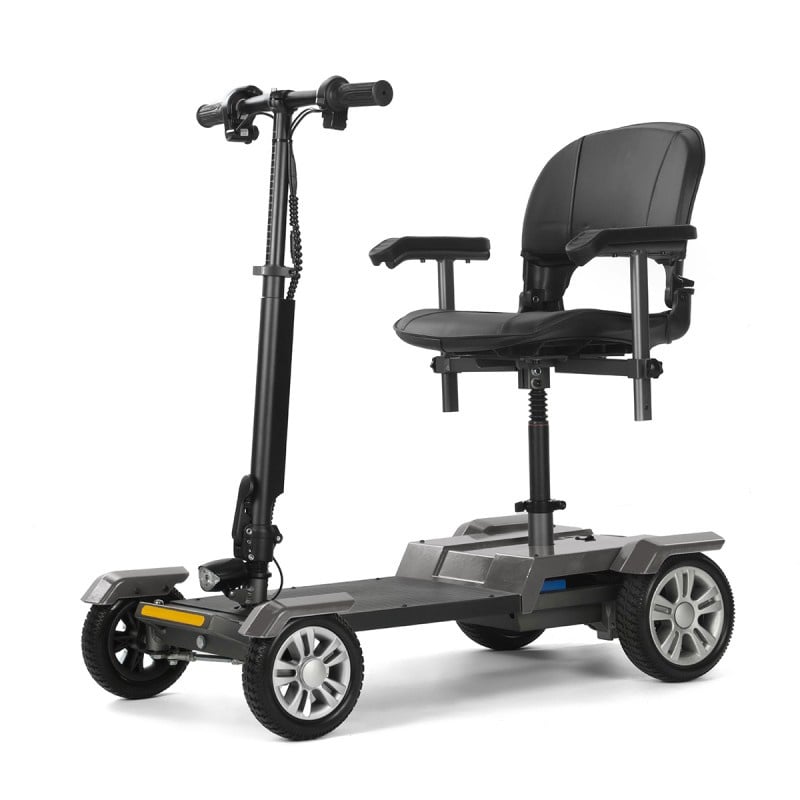
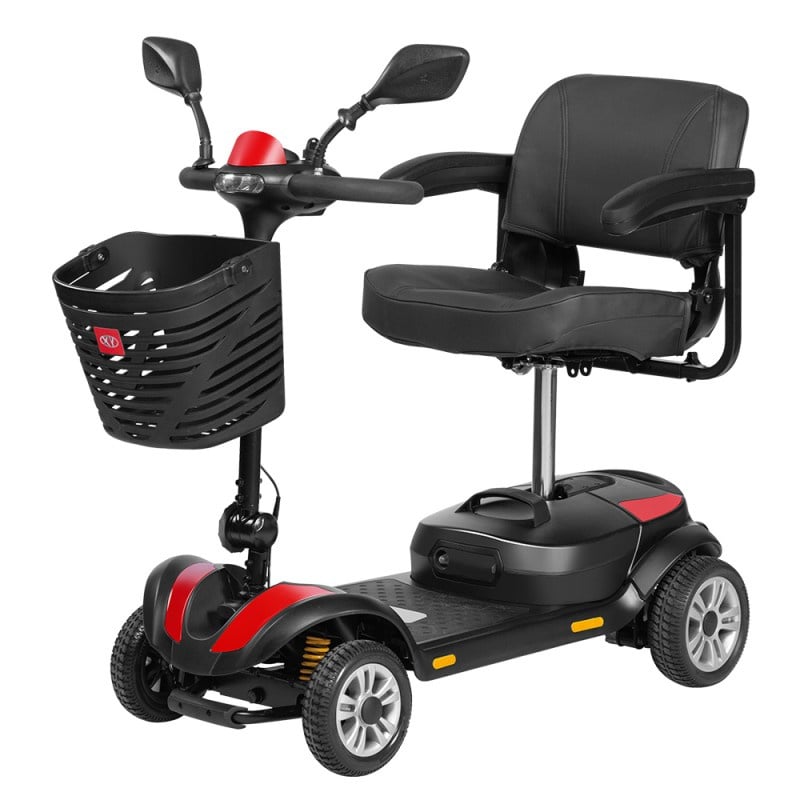
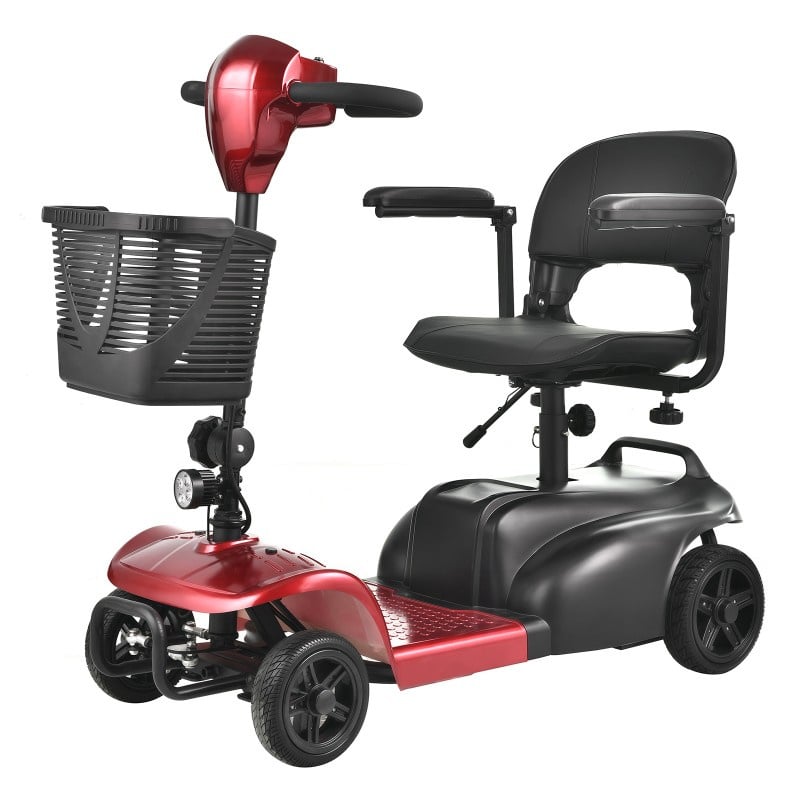
חקירה מעמיקה בתוכנית הטכנולוגית של המוצרים המתקדמים של רסשידי
כשהתעשייה של כיסאות גלגלים חשמליים ממשיכה להתפתח לעבר תקני איכות גבוהים יותר, המוצרים המתקדמים — ובמיוחד אלו המשתמשים בחומרים מאלומיניום ומסיבי פחמן — אימצו באופן נרחב סוללות ליתיום כהגדרת הכוח הסטנדרטית שלהם. הקמת תוכנית טכנולוגית זו משקפת התאמה גבוהה מאוד בין עקרונות העיצוב הקל והדרישה ליכולות ביצוע גבוהות.
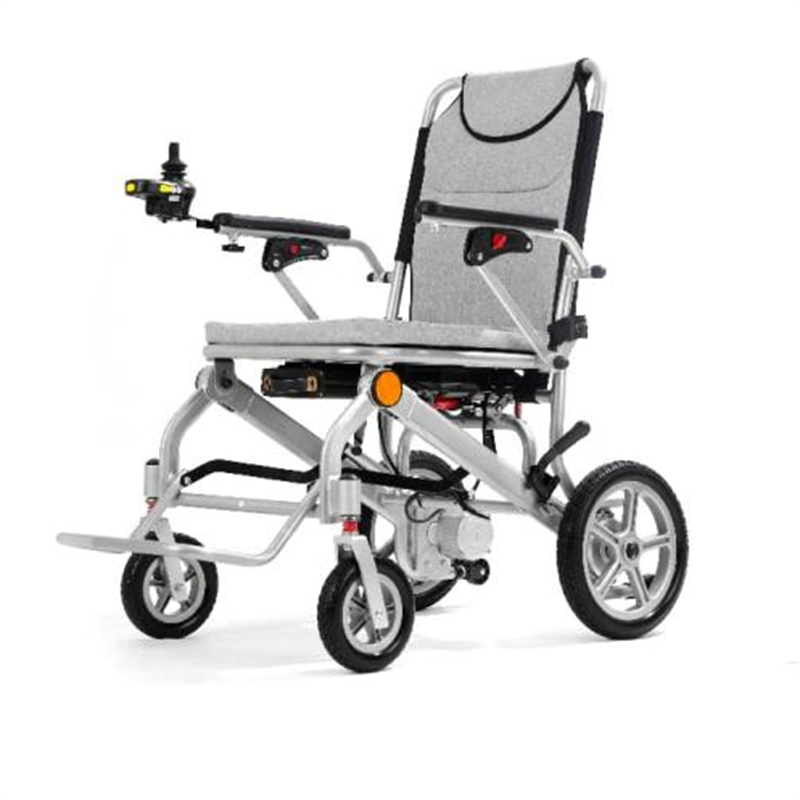
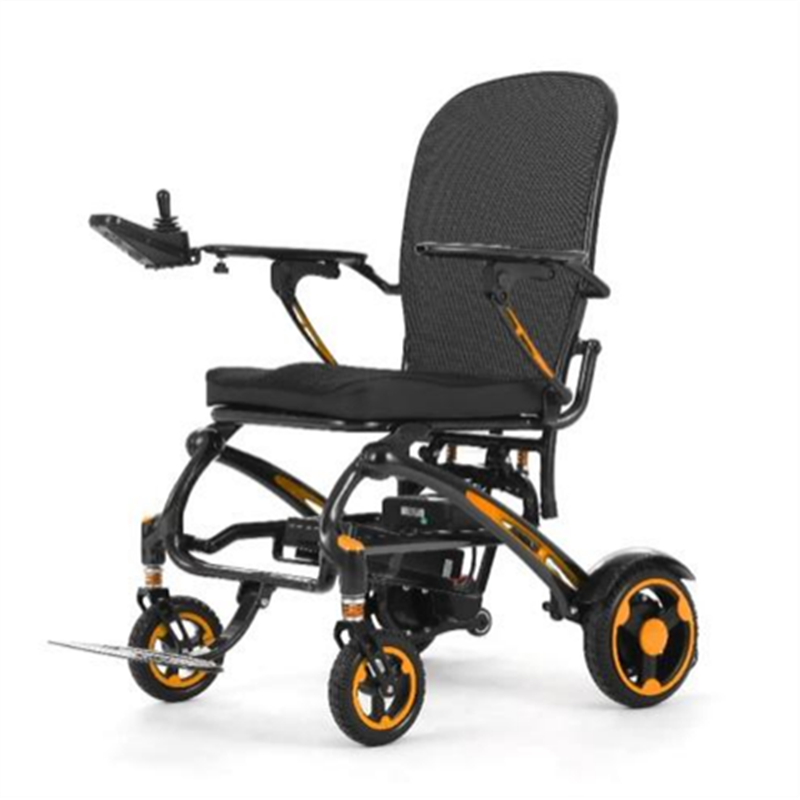
**ניהול משקל: האינטראקציה המדויקת בין היתר החומרי לבין מערכות אחסון האנרגיה**
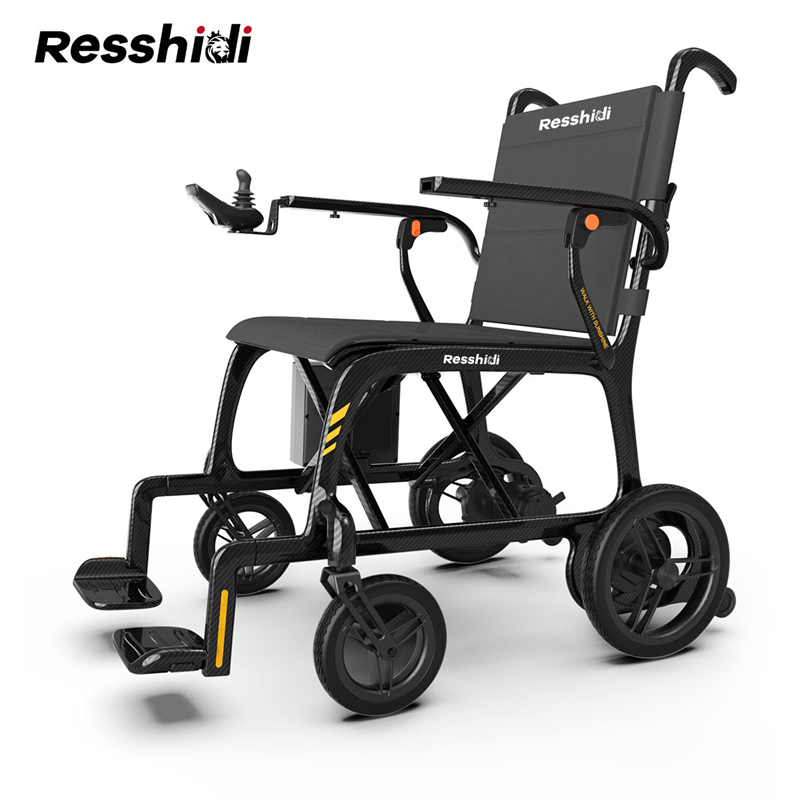
המשקל הכולל של כיסא גלגלים חשמלי מסגסוגת אלומיניום נופל בדרך כלל בטווח של 18–25 קילוגרם, בעוד שמוצרים מפיבר פחמן יכולים להיות קלים יותר, עד לטווח של 12–15 קילוגרם. על פלטפורמות קלות כאלו, תרומת המשקל של מערכת הסוללות הופכת לגורם קריטי במיוחד. לסוללות ליתיום יש צפיפות אנרגיה שהיא בערך פי שלושה–ארבעה מסוללות עופרת-חומצה; עבור קיבולת נתונה, זה מאפשר הפחתת משקל של למעלה מ־60%. אפקט החיסכון במשקל הוא בעל חשיבות מכרעת למוצרים מתקדמים שמעדיפים ניידות מירבית.
לדוגמה, כיסאות גלגלים מפיבר פחמן: השימוש בסוללת ליתיום מקטין את המשקל הכולל ב-4–6 קילוגרם בהשוואה לסוללת עופרת-חמצן, מה שהופך לאפשרי להרים את כיסא הגלגלים ביד אחת בלבד. עבור משתמשים שצריכים לעלות את כיסא הגלגלים לתא המטען של הרכב באופן תדיר, ההבדל הזה בכמה קילוגרם קובע ישירות את רמת הנוחות הכוללת בשימוש. בנוסף, בעת נסיעות באוויר, העיצוב הקל עוזר למשתמשים להימנע מתוספת על ש luggage עודף, ובכך מגביר עוד יותר את הערך הפרקטי של המוצר.
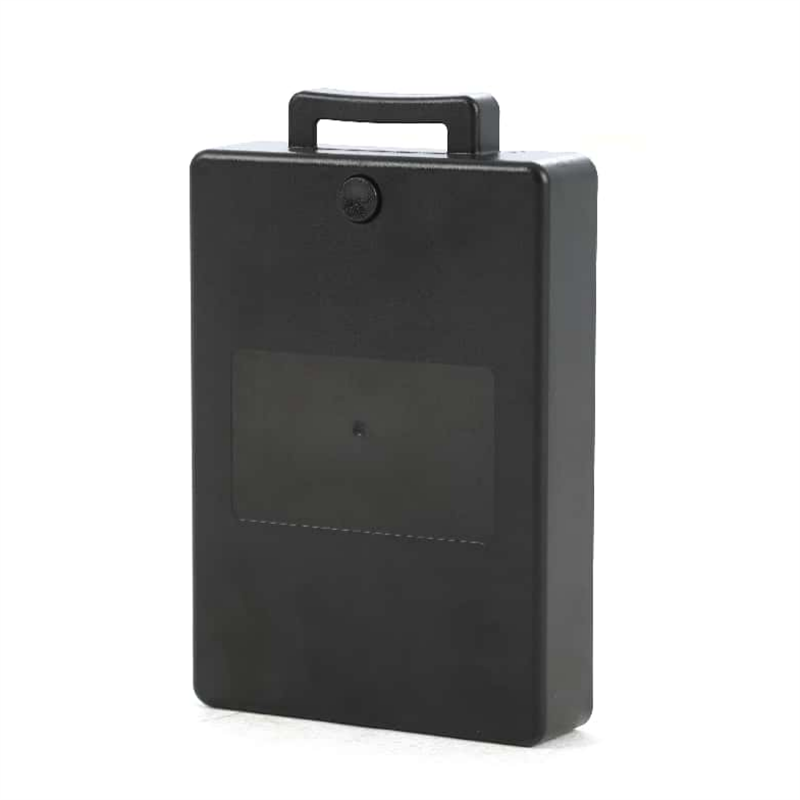
**יכולת טווח: התאמה מדויקת לשימוש בתדירות גבוהה ופליטת הספק יציבה**
משתמשים בכיסאות גלגלים מسبائك אלומיניום וסיבי פחמן בדרך כלל פעילים בתחומים רחבים יותר ונוסעים בתדירות גבוהה יותר; כתוצאה מכך, הם דורשים טווח נסיעה מחמיר יותר. הטווח הסטנדרטי של כיסא גלגלים המונע על ידי סוללת ליתיום הוא 20–25 קילומטר — שיפור משמעותי לעומת הטווח של 15–20 קילומטר שמספקות סוללות עופרת-חומצה — ובכך הוא ממלא לחלוטין את דרישות הניידות היומיומיות של משתמשים ברמה גבוהה.
מבחינה של פליטת הספק, סוללות ליתיום מציגות מאפייני פריקה חלקים יותר, ומספקות זרם רציף ויציב למוטורים חסרי فرش (brushless). תכונה זו קריטית במיוחד למשתמשים שמתמודדים לעיתים קרובות עם מדרונות או עם נוף מורכב. בדיקות מעשיות הראו שכסאות גלגלים חשמליים שמצוידים בסוללות ליתיום חווים ירידה של כ-30% פחות במהירות בעת עלייה במורד בזווית של 8 מעלות בהשוואה למודלים המשתמשים בסוללות עופרת-חמצן, ובכך משפרים באופן משמעותי את ביצועיהם על פני נוף מאתגר. אופטימיזציה של שטח: הסינרגיה בין תכנון מרחב צפוף לעיצוב מבני
כיסאות גלגלים חשמליים מתקדמים שואפים למראה חלק וזריז, וממדים כולליים קומפקטיים — מטרות שמתאימות באופן מושלם למבנה המודולרי של סוללות ליתיום-יון. בניגוד לסוללות עופרת-חמצן, אשר צורתן קשיחה וקבועה, ניתן לסדר סוללות הליתיום בצורה גמישה יותר כדי להתאים אותן בחלק גדול יותר לקווי השרטוט הפנימיים של מסגרת כיסא הגלגלים. דרגת החופש העיצובית הזו מאפשרת للمהנדסים לאפטים את התפלגות המשקל של הכיסא ואת מרכז הכובד שלו.
כיסאי גלגלים מפחמן סיבי נהנים במיוחד מהיתרון הזה. המבנה הסkeletal המדויק שלהם מאפשר לשכן את מערכת הסוללות בתוך המסגרת באופן חלק, ובכך להגן על הסוללות תוך שמירה על השלמות הוויזואלית של העיצוב. הגישה המשולבת הזו אינה רק משפרת את המראה האסתטי של המוצר, אלא גם מורידה את מרכז הכובד של הכיסא, מה שמביא ליישור משופר במהלך הפעולה.
חוויית המשתמש: הערך של יעילות הטעינה וניהול אינטליגנטי
סוללות ליתיום-יון מודרניות תומכות באופן רגיל בטכנולוגיית טעינה מהירה, המאפשרת טעינה מלאה תוך 2–3 שעות בלבד — בניגוד בולט ל-8–10 השעות הדרושות בדרך כלל לסוללות עופרת-חמצן. הפער הזה מעניק למשתמשים גמישות רבה יותר בתזמון פעולות הטעינה, ומאפשר להטעין את הסוללה במהירות במהלך הפסקות קצרות בין יציאות, ובכך משפר משמעותית את נוחות השימוש הכוללת.
עצות קנייה: המלצות מותאמות לקבוצות משתמשים שונות
**מנהלים מקצועיים הנוסעים לעיתים תכופות:** שילוב מסגרת פיברגלס וסוללת ליתיום-יון הוא הבחירה המועדפת. הבנינה הקלה ביותר מאפשרת נסיעות באוויר וטיפול קל במטען, בעוד הטווח המורחב עונה על דרישות הניידות של נסיעות עסקיות. בעת בחירת המודל, יש לתת עדיפות למודלים בעלי יכולות טעינה מהירה חזקות ותאימות למתח חשמל גלובלי.
**משתמשים זקנים פעילים:** כיסא גלגלים בעל מסגרת סגסוגת אלומיניום וסוללת ליתיום-יון מהווה פתרון מתאים. אפשרות זו מעניקה חוויית משתמש מעולה תוך שימור תקציב; יתר על כן, משקל התוצר הוא מתון, מה שמאפשר למשפחה לסייע בהרמתו ובהפעלתו בקלות רבה יותר. אנו ממליצים לבחור בדמויות מצוידות בתצוגת רמת הסוללה החכמה ומערכת אזהרה לרמה נמוכה של הסוללה.
**צרכנים המעריכים איכות חיים:** יש לקחת בחשבון דגמים מתקדמים מפחמן סיבי. האסתטיקה היפהפייה והביצועים המרשימים שלהם משלימים זה את זה באופן מושלם, בעוד שזמן המחזור הארוך של סוללת הליתיום-יון עונה על עקרונות הצריכה הירוקה. אנו מציעים להתייחס בקפידה לפרטים של אמנות הייצור של המוצר וברמת התמיכה לאחר המכירה שסופקה.
**משתמשים עם צרכים ספציפיים:** בחירות מותאמות אישית המבוססות על נסיבות פרטניות הן חיוניות. משתמשים המתגוררים באזורים הרריים או בעלי שיפועים צריכים לשים דגש על מאפייני ה descargar היציבים של סוללות ליתיום-יון; אלו המעורבים לעיתים תכופות בפעילויות בחוץ צריכים להתמקד בביצועי הסוללה בתנאי קור; ומשתמשים שמציבים דגש על נוחות הטעינה צריכים לבחור בדמויות התומכות בטעינה מהירה. לסיכום, הבחירה להכניס סוללות ליתיום לכיסאות גלגלים חשמליים מسبائك אלומיניום וסיבי פחמן מהווה גם תגובה הכרחית למיקום המוצר — הדגשה על עיצוב קל משקל וביצועים גבוהים — וגם מחויבות לספק למשתמשים אורח חיים נייד באיכות גבוהה. ככל שתכנולוגיית הסוללות תמשיך להתפתח, שילוב זה יספק למשתמשים חוויית ניידות יוצאת דופן יותר ויותר.
 חדשות חמות
2026-02-28
2026-02-23
2026-02-18