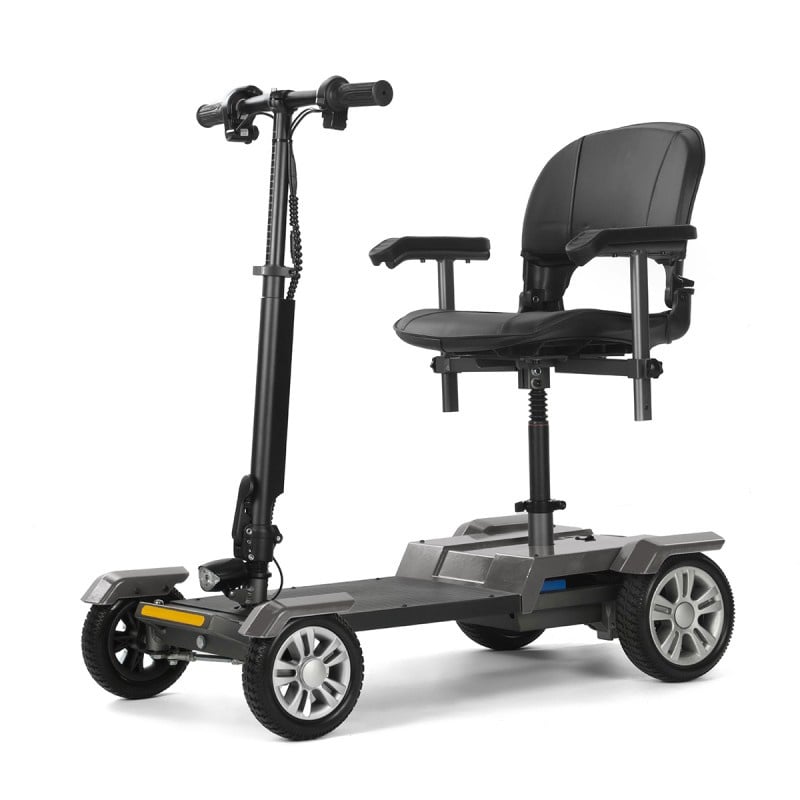
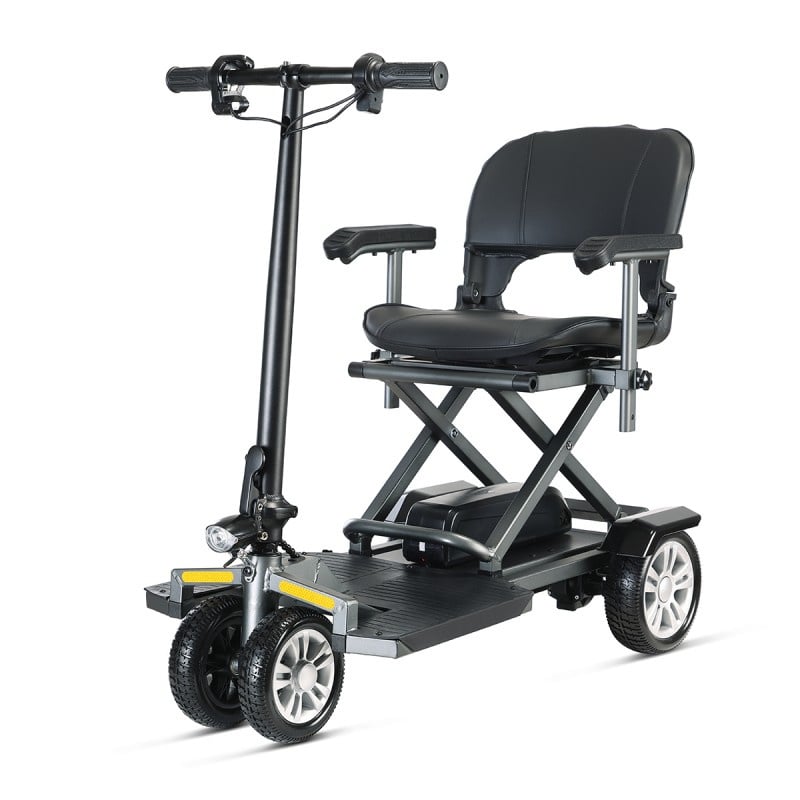
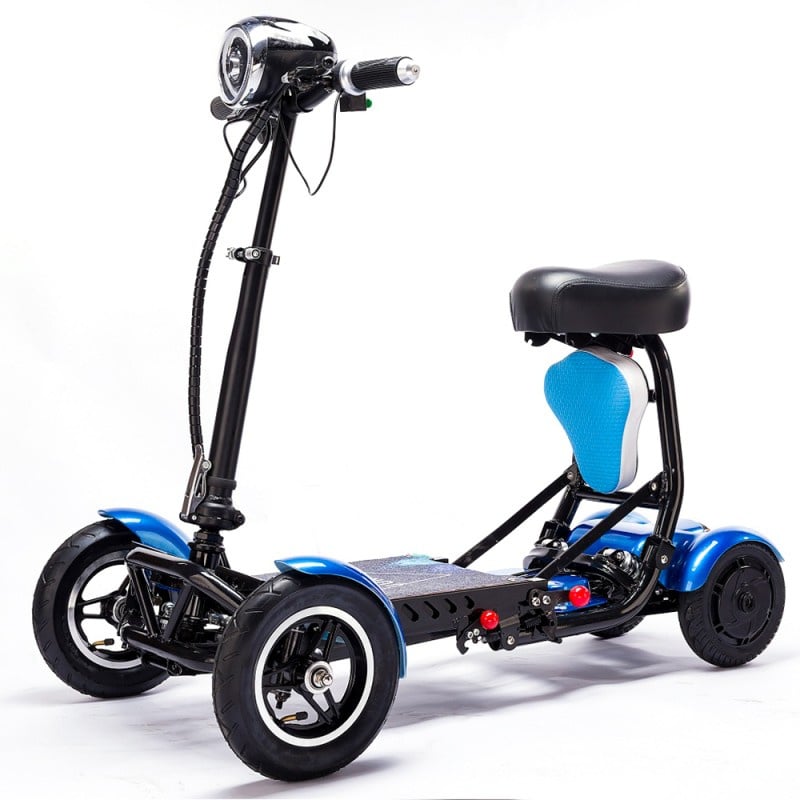
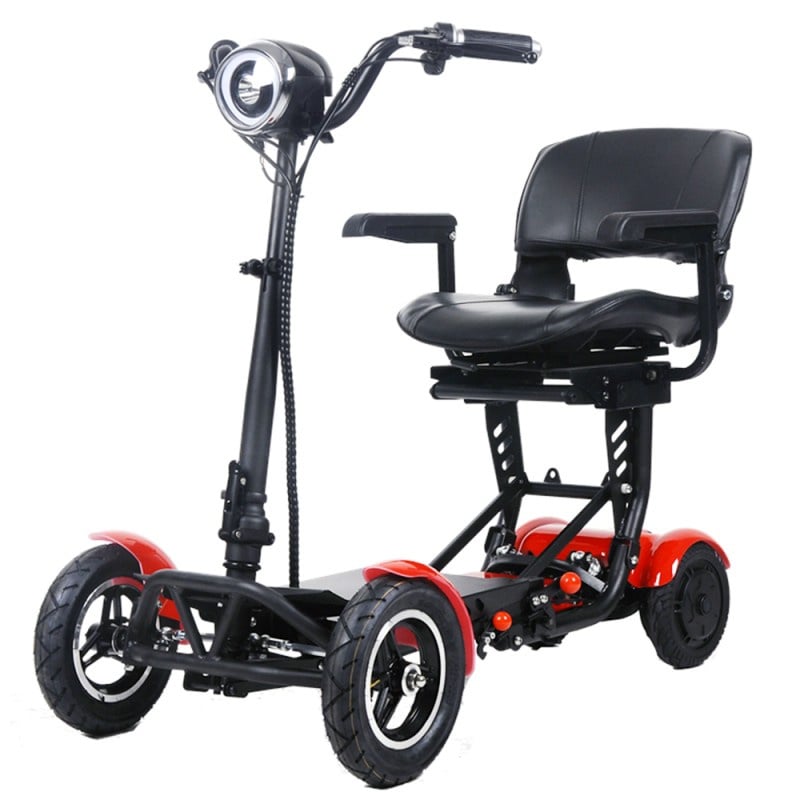
בפני רקע של אוכלוסייה עולמית שזקנה במהירות והדרישות המתקדמות יותר למכשירי עזר, חומר השריר של כיסאות גלגלים חשמליים הפך לגורם מרכזי המשפיע על החלטות קנייה. עבור תרחישים יישומיים שונים, סיבי פחמן, סגסוגת אלומיניום ופלדה מסורתית מציגים כל אחד יתרונות תחרותיים מובחנים.
סיבי פחמן: הסטנדרט הקל במרכול היוקרתי
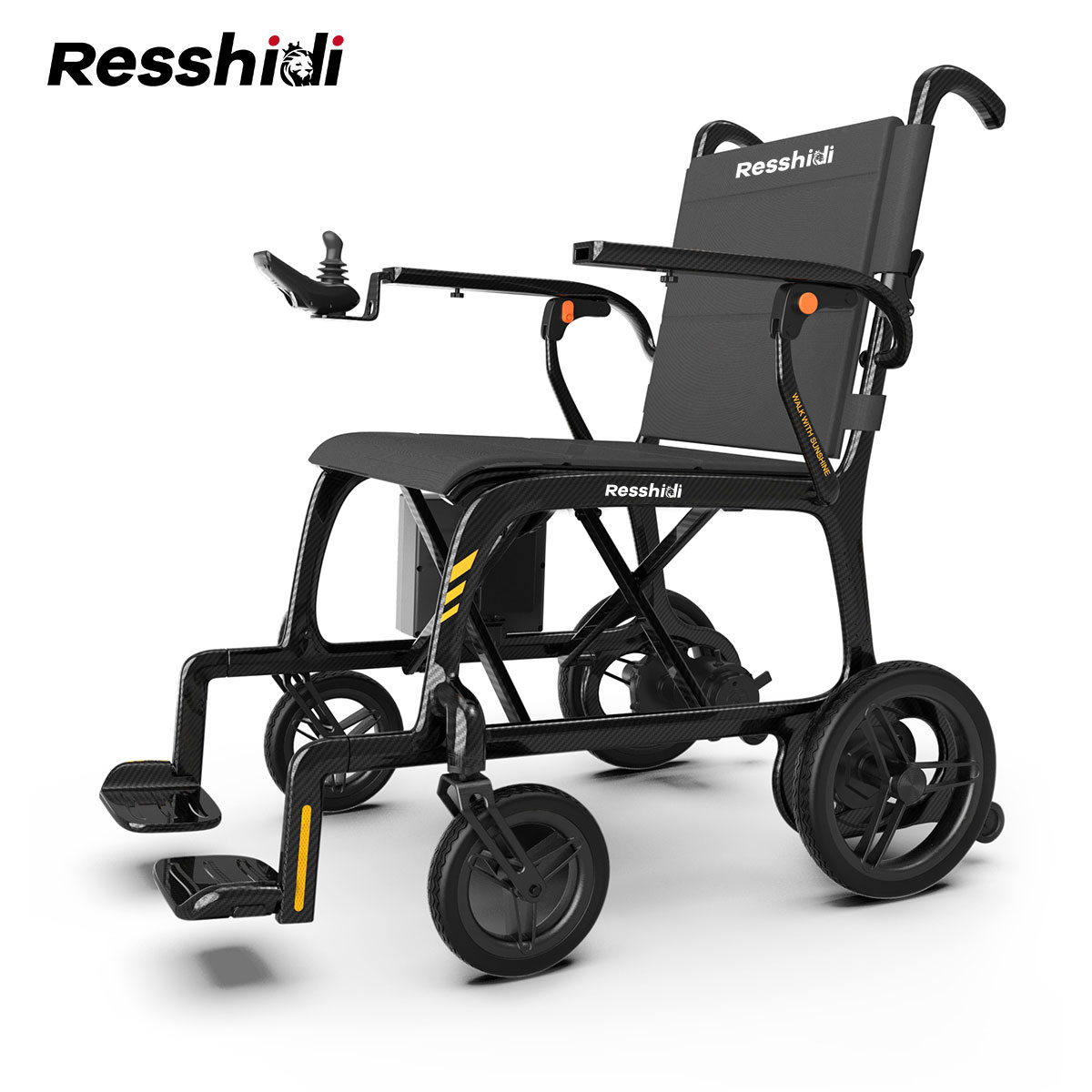
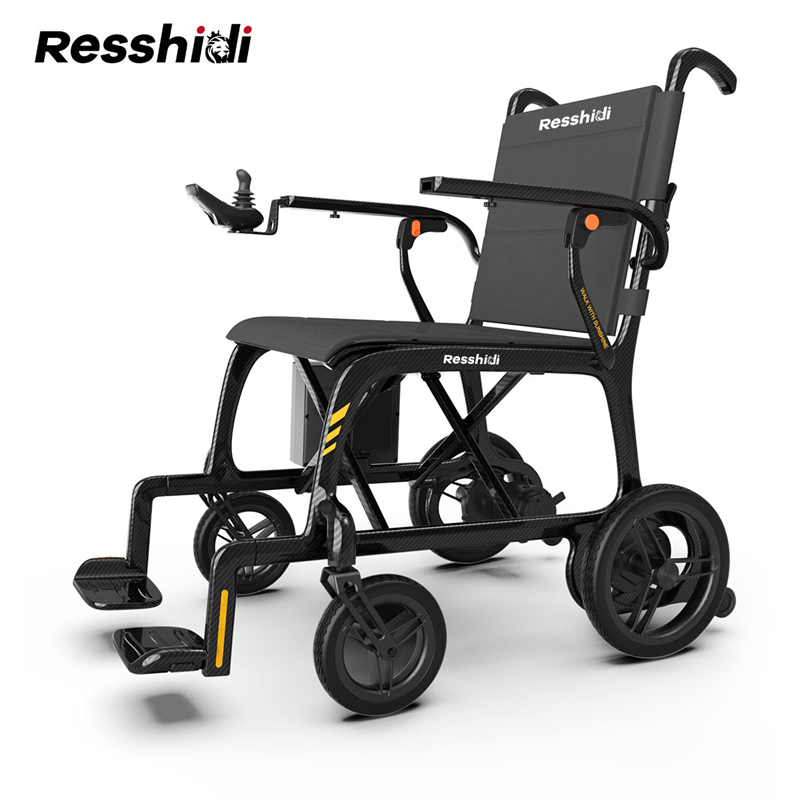
חומר מרוכב מסיבי פחמן מחדיר במהרה את שוק الكرיסלות החשמליות, וההדגשה המרכזית שלו היא הפחתת המשקל לקיצון. כריסלות המשתמשות בחומר זה שוקלות בדרך כלל בין 12 ל-15 ק"ג, מה שמשפר באופן משמעותי את הנוחות בהפעלה ובנשיאה. מנקודת מבט של מכניקת מבנים, לסיבי הפחמן יש חוזק מעולה בפני עייפות, הם מתפקדים מצוין תחת מתחים חוזרים, ועמידותם בפני נזק קורוזיה מרסיסי מלח מאפשרת אורך חיים ארוך יותר באקלימים חוף.
למרות עלותו הגבוהה, סיבי פחמן אינם ניתנים להחלפה ביישומים שבהם המשקל קריטי ביותר. לדוגמה, נוסעים בינלאומיים יכולים להימנע מעלות טיסה גבוהות; מוסדות בריאות מתקדמים משתמשים בעמידות החומר לאקלים כדי לצמצם את תדירות החלפת הציוד בפרויקטים לחוף.
אלומיניום: הבחירה הטובה ביותר בטווח התיכוני
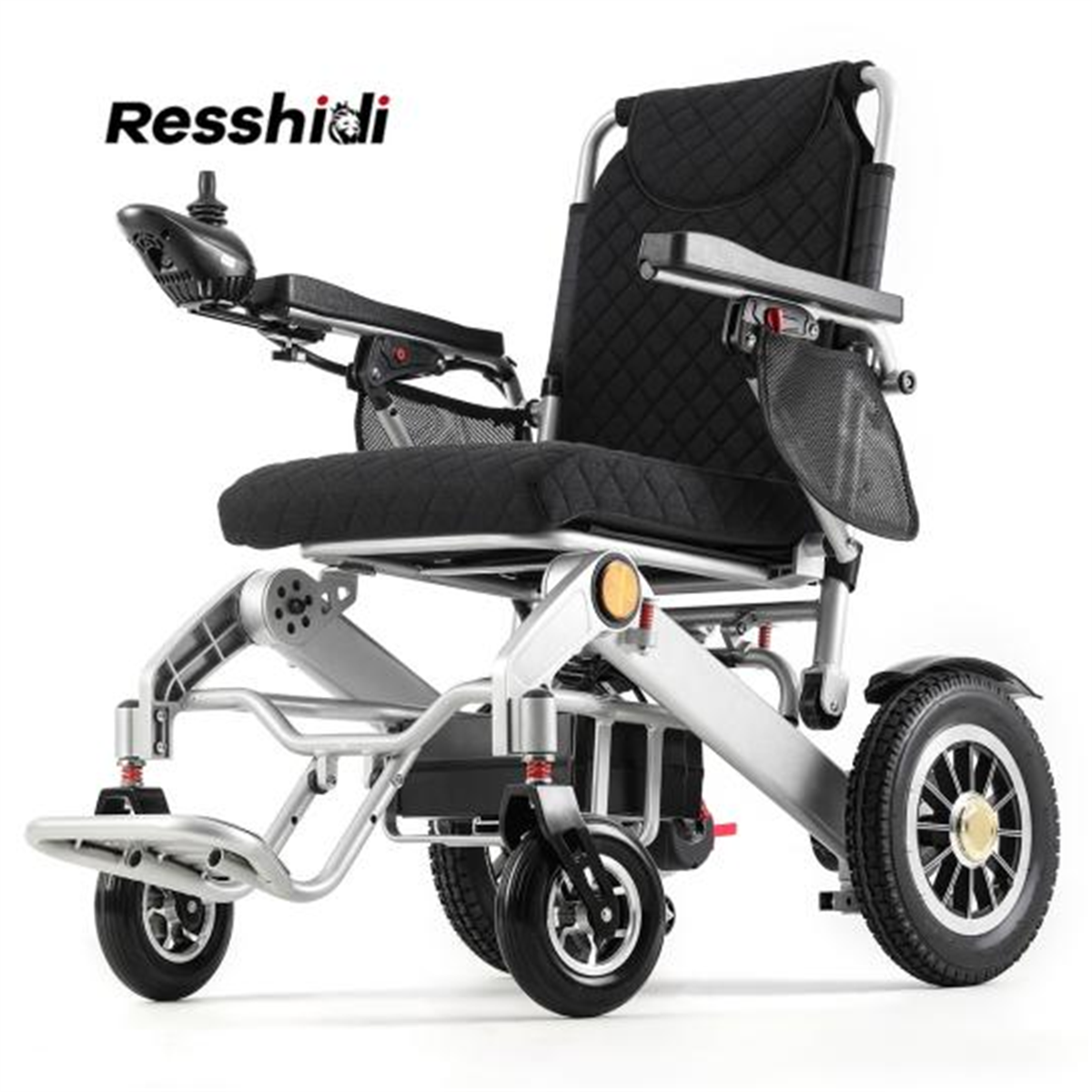
ספائك אלומיניום כבשה את השוק, והצלחתה נובעת מהשגת איזון זהב בין קלות, יכולת נשיאת עומסים ועלות ייצור. בהשוואה לפלדה מסורתית, מסגרות ספائك אלומיניום מפחיתות את המשקל הכולל ב-40% בערך, בדרך כלל בטווח של 18–25 ק"ג, וניתן לקפל אותן בקלות ולשים אותן באוטו משפחתי. אנודיזציה מתקדמת של פני השטח מרחיבה משמעותית את התנגדותן לנגיה, ומאריכה את תוחלת חייהן עד 8 שנים בשימוש רגיל.
במונחי אסטרטגיית תמחור, מוצרים מספائك אלומיניום משרתים את בסיס הלקוחות הרחב ביותר. מהצורך בתפעול תכוף על ידי מטפלים בפרויקטים קהילתיים באירופה ובאמריקה, ועד לצרכים הגבוהים בשינוי ציוד בתרחישים מסחריים של שכירות, ניתן לענות על כל הצרכים באמצעות בחירת צינורות ספائك אלומיניום בעלי עובי שונה.
פלדה (פלדה פחמנית): בחירה קלאסית, אמינה וקטנה בעלויות
כסאות גלגלים חשמליים מפלדה, הודות לתהליכי הייצור הבוגרים וליציבותם המבנית, תמיד שמרו על מקום בשוק הבסיסי. השלדה המוצקה שלהם מספקת משוב רטט יציב יותר בכבישים משובשים, אך משקלם בדרך כלל עולה על 25 ק"ג. מניעת חלודה היא מוקד תחזוקה מרכזי עבור חומר זה, במיוחד בסביבות לחות וחמות, שבהן תחזוקת צבע קבועה חיונית. עם עלות הרכישה הראשונית הנמוכה ביותר שלהם, כסאות גלגלים מפלדה מציגים ביצועים טובים בפרויקטים של רכש ממשלתיים ובשווקים של מדינות מתפתחות. לדוגמה, מערכות בריאות ציבוריות בחלקים מדרום מזרח אסיה מעדיפות מוצרים אלה בשל רמת ההחלפה הגבוהה של חלקי חילוף וזמינות של טכנולוגיית תיקון מקומית מתקדמת. הם נבחרים לעתים קרובות גם עבור סביבות פנימיות קבועות כמו בתי אבות, תוך ניצול עלותם הנמוכה ועמידותם, עם חיסכון בהשקעה הראשונית העולה על שליש בהשוואה לחומרים אחרים.
אנו מקווים שניתוח זה יעזור לכם להבין טוב יותר את מאפייני החומרים השונים המשמשים בכיסאות גלגלים חשמליים ויספק מדריך לבחירת הרכישה שלכם. אם יש לכם שאלות נוספות או דרושה לכם מידע נוסף, אנא בקרו באתר של Resshidi או פנו אלינו ישירות.
 חדשות חמות
2026-02-28
2026-02-23
2026-02-18