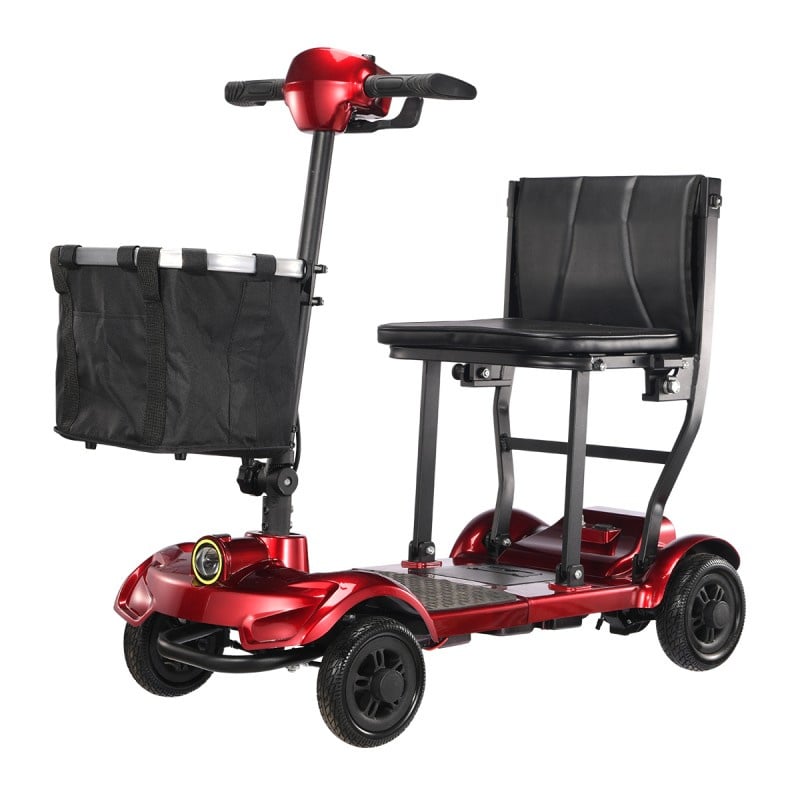
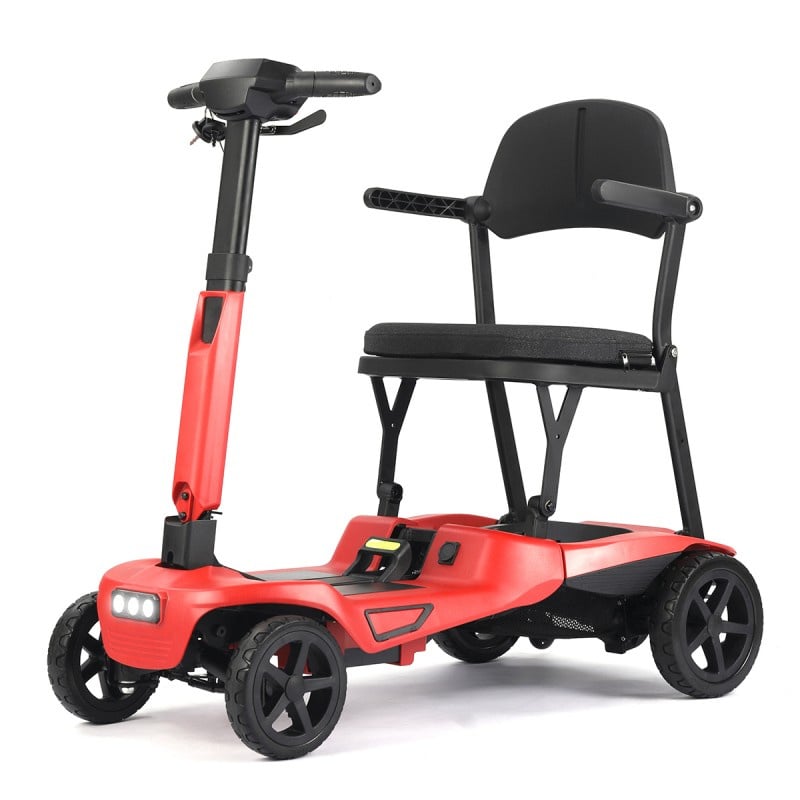
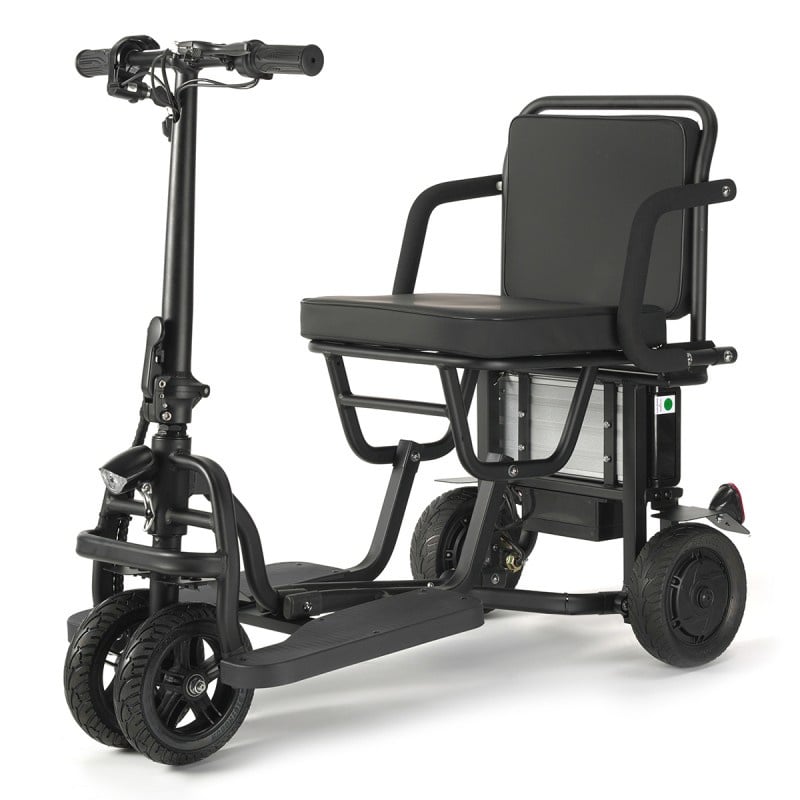
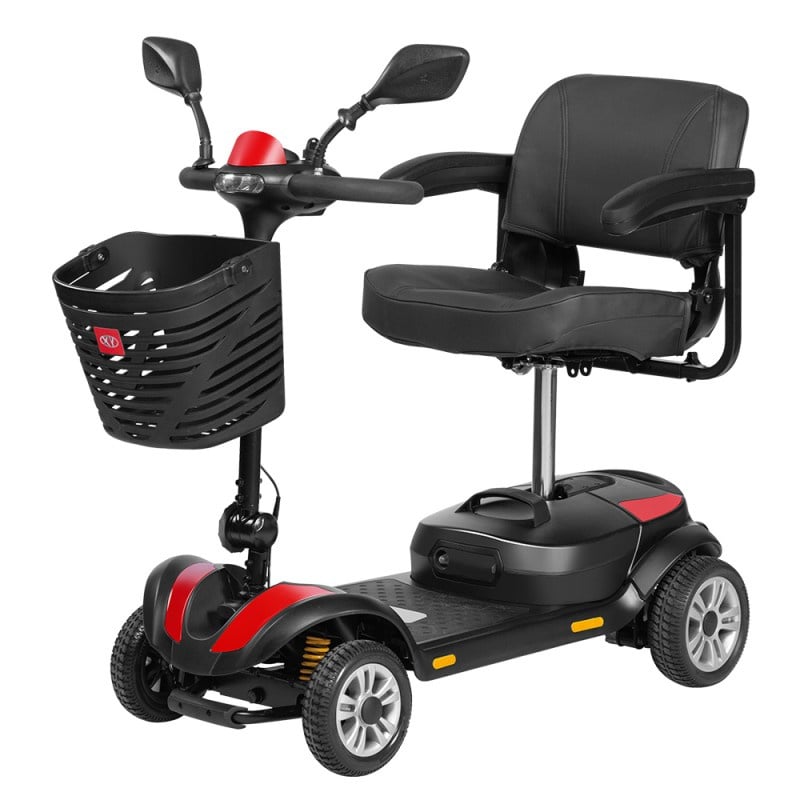
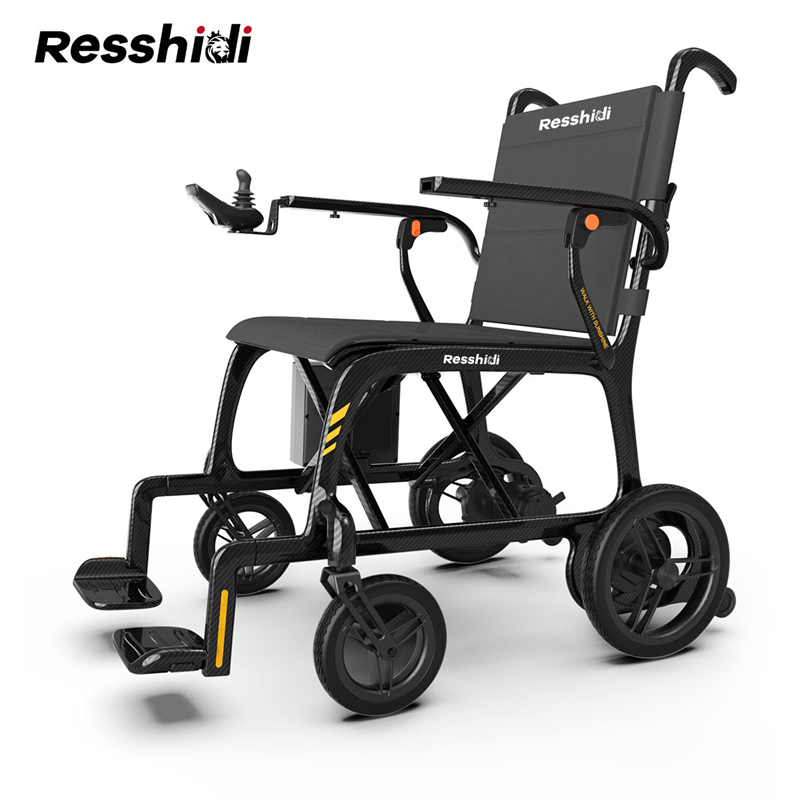
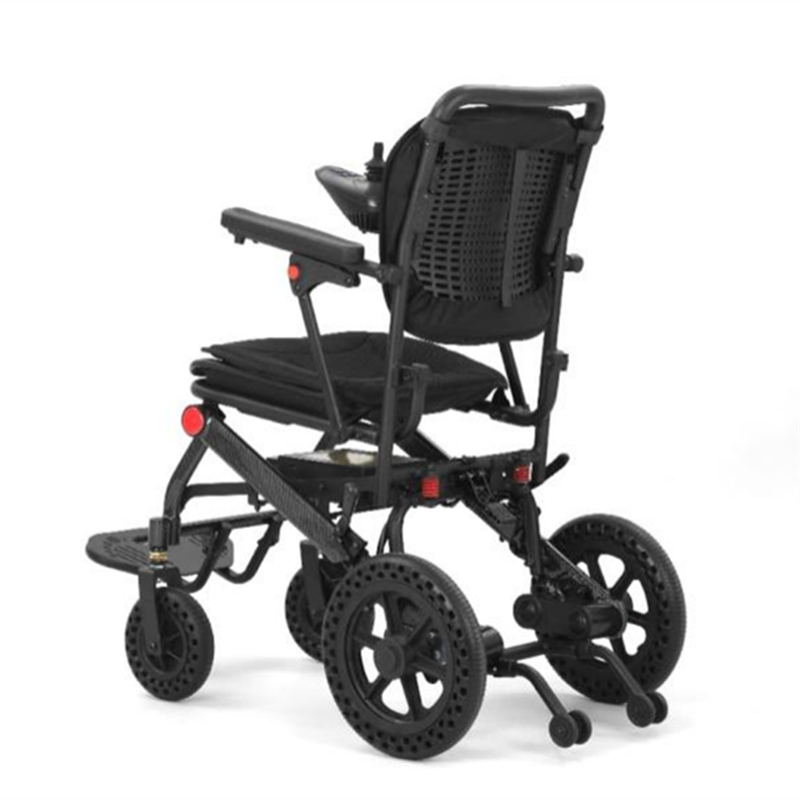
בעיצוב המרחב הצר של עזרי ניידות, מנגנון הקיפוף קובע את צורת האחסון של הכיסא והקלות בהובלתו. טכניקות הקיפוף הנפוצות כיום – קיפוף אורך (קיפוף מלפנים לאחור) וקיפוף רוחב (קיפוף משמאל לימין) – מבוססות על לוגיקות הנדסיות שונות ומיועדות למלא דרישות מרחביות שונות.
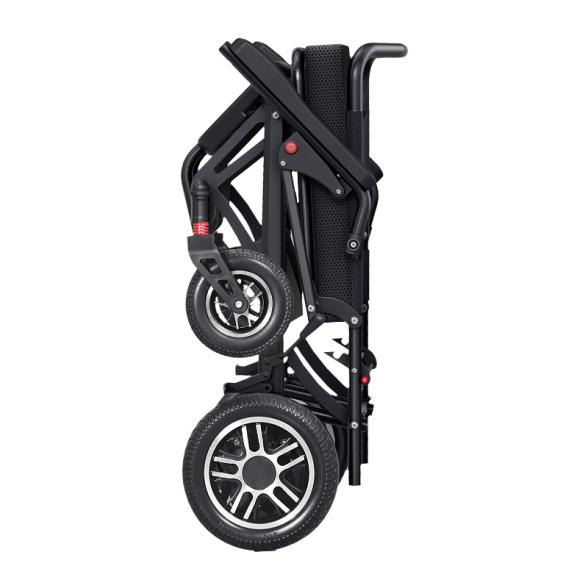
קיפוף אורך: פתרון אחסון מסודר עם עומק מופשט
קיפוף אורך משתמש במתיחת ציר במרכזה של הגרם כדי לקפל את המושב ואזור הפסלים קדימה ואחורה. בעת הקיפוף, היחידה כולה יוצרת קובואיד נקי, המכווץ את אורכה ב-40% עד 50% בקירוב, מה שמאפשר לו להחליק בקלות לתוך עומק תא המטען של הרכב. מבנה זה שומר על שלמות הקרש המרכזי, וקשיחות השסייה אינה מושפעת בעת פרישתה, מה שמביא ליציבות נסיעה יוצאת דופן. רכיב הציר עבר אישור בדיקת ספירת מלח, ודורש שימון שנתי בלבד בשימוש רגיל כדי לשמור על פתיחה וסגירה חלקות.
המגבלה נמצאת בדרישה החמורה לעומק של מרחב האחסון — בחלק מהמכוניות הספורט (האצ'בק) או במיקרו-מכוניות עם עומק לא מספיק בתא המטען, המכסה עלול שלא להיסגר כראוי. בינתיים, השינוי בגובה לאחר הקיפוף הוא מינימלי; משתמשים רגישים למרחב אנכי צריכים למדוד מראש.
מצבים טיפוסיים המתאימים:
מוניות רגילות ברכב: הצורה המטופחת מקלת על היצמדות במגש הארגז, ומפיצה את הכוח באופן אחיד כאשר חברי המשפחה מזיזים את האופניים.
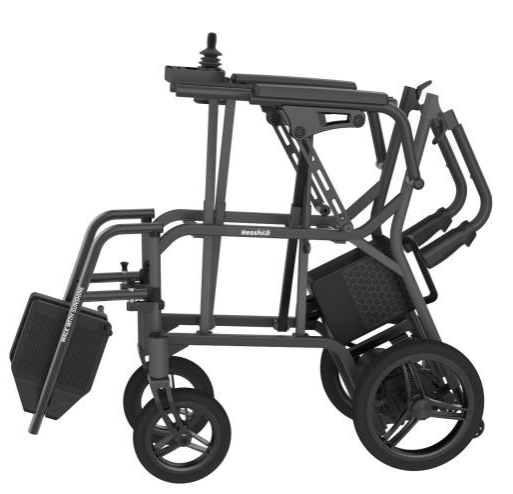
קיפול אופקי: פתרון אחסון מרוכז עם ירידה ברוחב. הקיפול האופקי משתמש בציר המרכזי שמתחת למושב כדי לקפל את מסגרות הימין והשמאל פנימה. לאחר הקיפול, הרוחב קטן ביותר מ-50%, ומקבל ערך של 30 ס"מ בנקודה הצרה ביותר, מה שמאפשר לעמידה אנכית נגד הקיר בכניסה או בפער armadio. העיצוב עם מרכז כובד נמוך מבטל את הצורך להרים בעת האחסון, מה שהופך אותו ידידותי יותר לאנשים בעלי שרירים חלשים בגב. עם זאת, בשל קיומן של צמתים במסגרת, מומלץ לבדוק באופן קבוע את החיבורים.
הפתרון הזה מתאים במיוחד לדיור עירוני צפוף — הצורה השטוחה המתקפלת יכולה להסתתר מתחת לספה או מאחורי דלת, מה שמשחרר מקום על הרצפה.
תרחישי יישום טיפוסיים:
תושבי דירות: משחרר מקום יקר על הרצפה; הקיפוף בלילה אינו חוסם מעברים.
משתמשים בודדים: ניתן לקפל ולפרוש ללא עזרה; תנועת הרמה נמוכה מפחיתה את הלחץ על המפרקים.
נוסעים עסקיים תכופים: מידות הקיפוף עומדות בדרישות התעופה של חברות התעופה, ומביאות להפחתת התלות בשקיות שנשלחות לתא המטען.
המידות המפתח להחלטות בחירה:
לפי סצנות נסיעה:
אם משתמשים בעיקר באוטו, תא מטען המתקפל לאורך הוא מתאים יותר.
אם משתמשים בתחבורה ציבורית וברכבות התחתונות ושטח הדיור מוגבל, הגוף הצר של עיצוב המתקפל לרוחב הוא יתרון.
אם נוסעים באוויר יותר משלוש פעמים בשנה, מומלץ לשים דגש על אימות התאמה של הכיסא הגבי החשמלי להובלה כמזוודה ידנית עם קיפול צדדי.
לפי היכולת הפעולה: אנשים בעלי עוצמת זרועות עליונות טובה יכולים לשלוט בקלות בשני סוגי הקיפולים; עבור מבוגרים שסבלו מירידה בעוצמת האחיזה או במגוון תנועת המפרקים, הלוגיקה החד-כיוונית של הקיפול האורכי מקלה על פיתוח זיכרון שרירים. מומלץ לנסות את המוצר באופן אישי לפני הקנייה, תוך הדגשת הגדרת הבלימה של מנגנון הנעילה ומיקום מרכז הכובד בעת הקיפול.
נأمل שהניתוח לעיל יעזור לכם להבין טוב יותר את מאפייני הקיפול הקדמי/אחורי והצדדי/הימני של כיסאות גב חשמליים ויספק מדריך לקביעת החלטת הקנייה שלכם. אם יש לכם שאלות נוספות או אתם זקוקים למידע נוסף, אנא בקרו באתר של Resshidi או פנו אלינו ישירות.
 חדשות חמות
2026-02-28
2026-02-23
2026-02-18