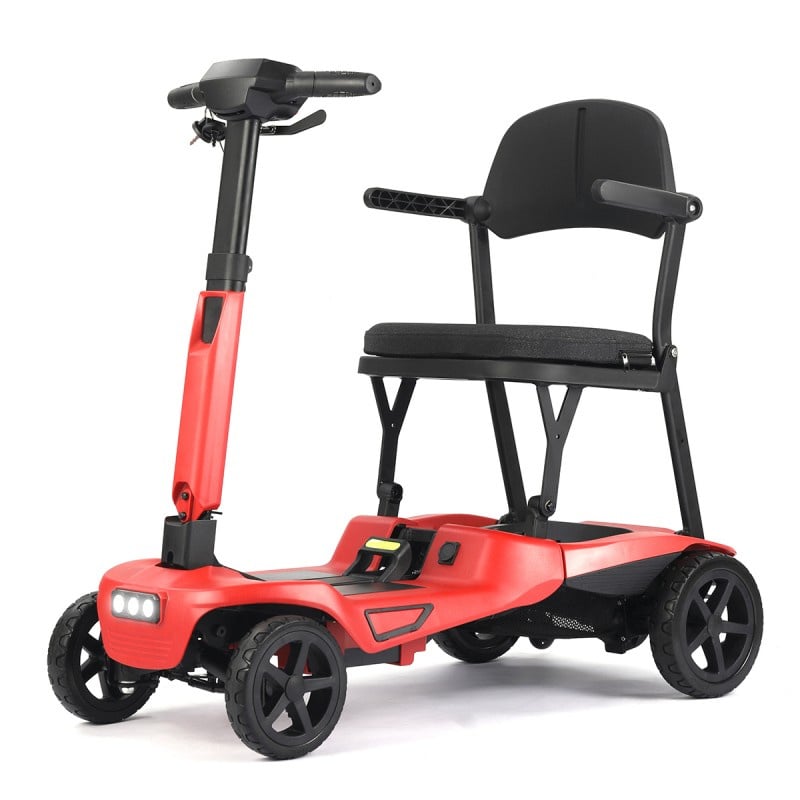
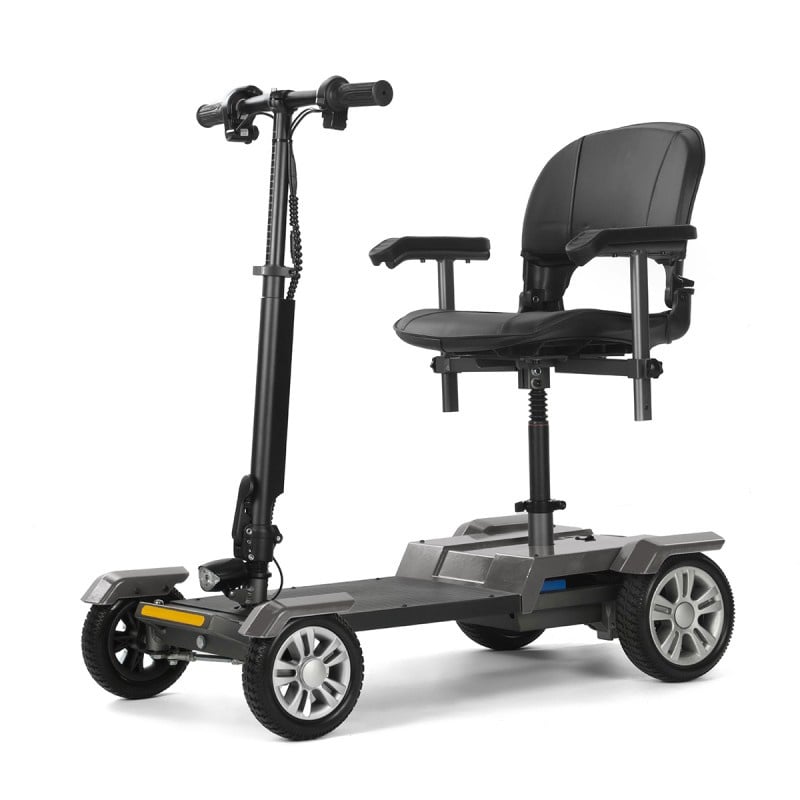
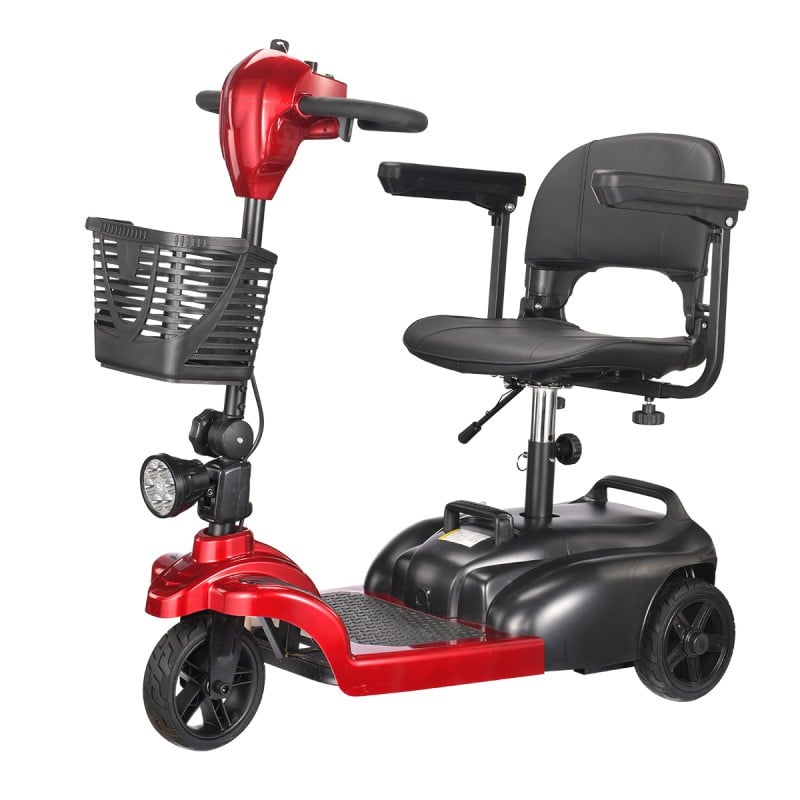
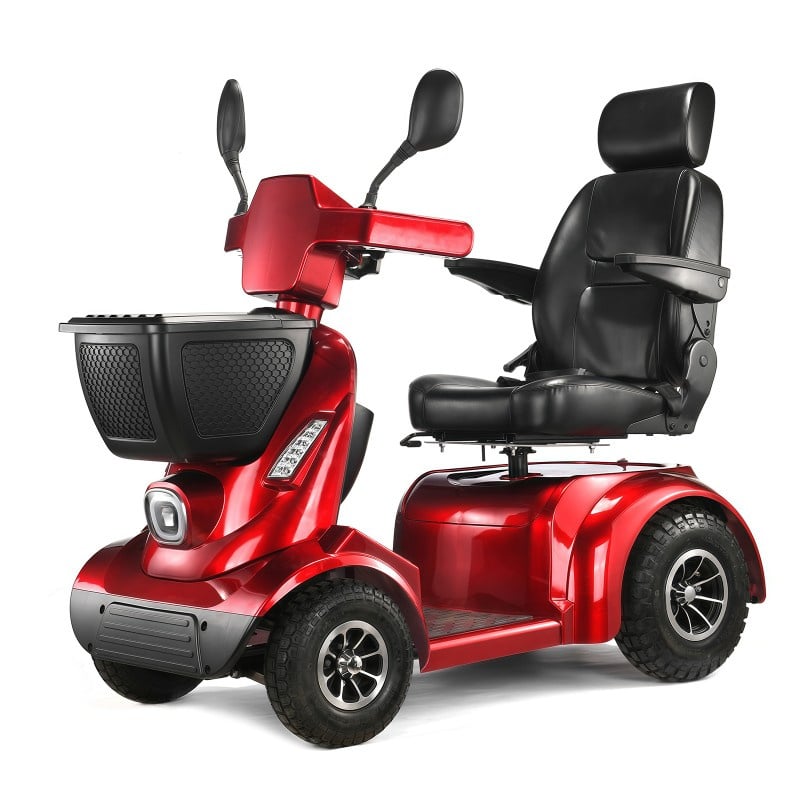
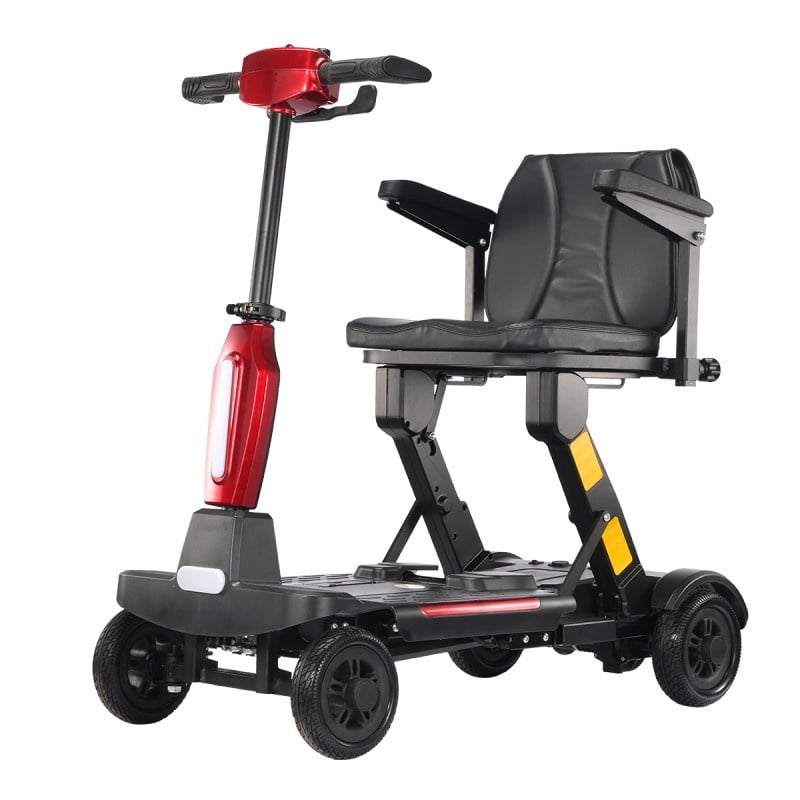
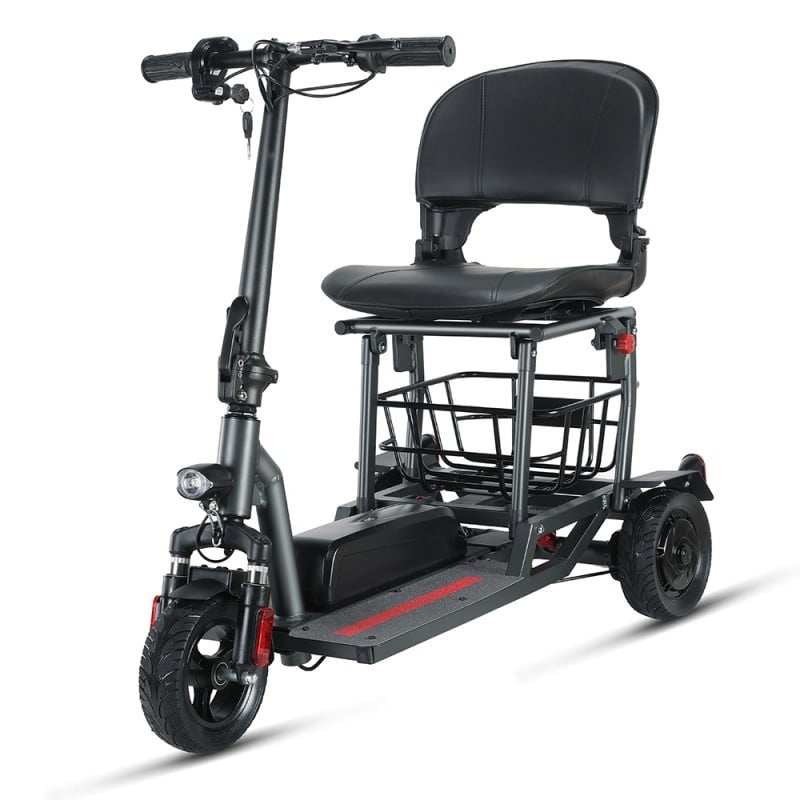
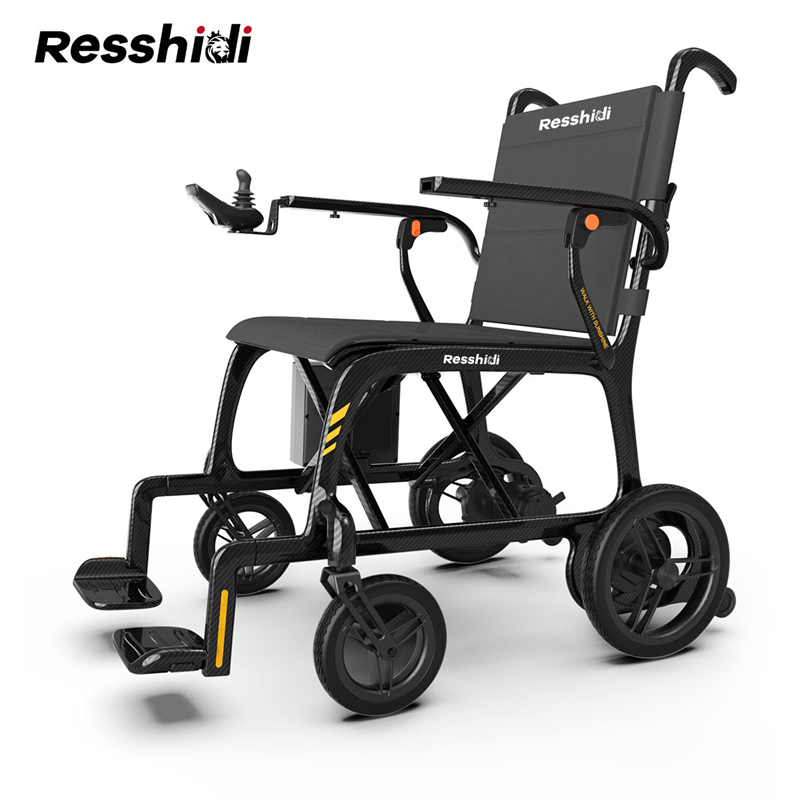
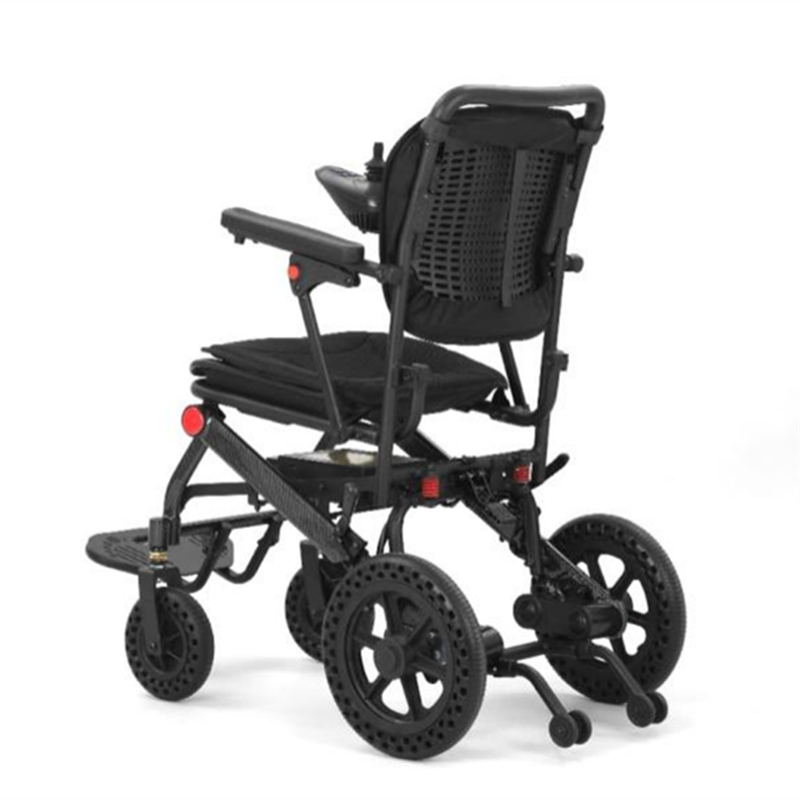
בשרשרת האספקה הגלובלית של כיסאות גלגלים חשמליים, טכנולוגיית מערכת ההנעה מהווה מדד מרכזי לקונים בעת השקלת הביצועים לעומת עלויות הפעלה. מנועים עם פחמים ומנועים ללא פחמים, שמתבססים בהתאמה על אומנות מסורתית וטכנולוגיית בקרה אלקטרונית מודרנית, מציגים יתרונות תחרותיים מובחנים במגוון תרחישים יישומיים.
מנועים עם פחמים: נציג מבוגר ומעשי
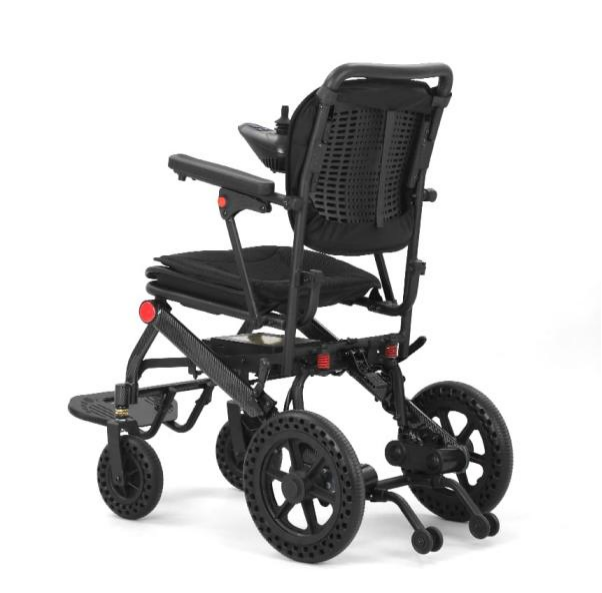
מנועים עם פחמים מתבססים על התחברות מכנית בין הפחמים למחולק כדי להשיג את החלפת הזרם. טכנולוגיה זו, שנבדקה במשך יותר ממאה שנה, נותרת בלתי תחליפית בתנאי פעולה מסוימים. נתוני בדיקות בשטח מראים שמנועים עם פחמים מסוגלים לספק מומנט צדקי גבוה יותר בעת ההפעלה או בעת עלייה במדרון — עבור מדורים בעלי שיפוע העולה על 8%, זמן התגובה שלהם קצר ב-0.3 שניות בקירוב בהשוואה לפתרונות ללא פחמים, מה שהופך אותם למתאימים במיוחד לנסיעה יומית באזורים הרריים.
החיסרון שלהם נובע מכך שברשות הפחמן הן חלקים נצרכים שדורשים החלפה לאחר כמה אלפי שעות ועד 10,000 שעות של פעילות, וקצב הבלאי עלול לגדול ב-30% בסביבות עפריות או בעלות ירידה גבוהה. עם זאת, עלויות התיקון נמוכות מאוד: החלפת ברת פחמן אחת עולה כ־5 דולר, וסף הכישורים הטכניים הנדרש לתיקון הוא נמוך – דרושים רק טכנאים ברמה בסיסית באזורי מתפתחים.
בשלב זה, מנועי הזרם הישיר (DC) עם ברשות פחמן מיועדים בעיקר לשני שווקים גדולים: ראשית, פרויקטים של רכישות ממשלתיות באזורים הרריים כמו דרום מזרח אסיה ואמריקה הלטינית, בשל התאמתם המمتازת לתנאי דרכים מורכבים ולזמינות קלה של חלקי חילוף; ושנית, אזורים בעלי קו רוחב גבוה כגון צפון אירופה, שבהם הם מסוגלים להתחיל באופן מהימן גם בטמפרטורות קיצוניות של עד 40- מעלות צלזיוס, ובכך לנצח חלק מהמערכת ללא ברשות (BLDC) שמתבססות על רכיבים אלקטרוניים.
מנועים ללא ברשות: פתרון בעל יעילות גבוהה עם החלפת זרם אלקטרונית
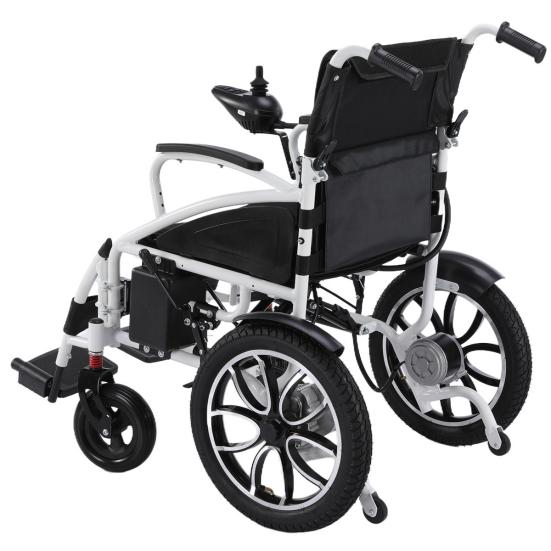
מנועים חסרי فرش (Brushless) מושגים את ההחלפה האלקטרונית באמצעות חיישני אפקט הול ומבקרים, מה שמבטל לחלוטין את אובדן החיכוך המכאני. יעילות המרה האנרגטית שלהם עולה בדרך כלל על 85%, מה שמייקר את חיי הסוללה ב-15% עד 20% בהשוואה למנועים עם פסים (brushed) בעלי קיבולת זהה. בשל היעדר סחיפה פיזית, תחזוקה רגילה דורשת רק מילוי שמן למסבים כל שנתיים, והאורך התיאורטי של חייהם יכול לעלות על 20,000 שעות.
הפעולה השקטה של מנועים חסרי פסים (הרעש בעת הפעלה נמוך מ-45 דציבלים) הופכת אותם למועדפים מאוד בקהילות פרישה מפוארות, בתי מלון עם כוכבים ובמקרים של שכירות באירפורט. המבנה הקל שלהם חוסך גם בעלויות ניידות עבור נוסעים אוויריים תכופים.
לסיכום, מנועים עם חוטמים, הודות לאמינות המפותחת שלהם ולקלות התיקון שלהם, ממשיכים להחזיק בשיעור שוק משמעותי בשווקים המתפתחים ובאזורים עם אקלימים קשים; בעוד שמנועים ללא חוטמים, הודות לייעול הגבוה, לפעולתם השקטה ולתקופת חיים הארוךה שלהם, הפכו לבחירה המועדפת לקנייה מסחרית ולמשתמשים מהשכבה העליונה באזורי העולם המפותחים. הקונים צריכים לבחור באופן גמיש בהתאם לאפייני הטריטוריה, לעוצמת השימוש ולרשת שירות לאחר המכירה.
 חדשות חמות
2026-02-28
2026-02-23
2026-02-18