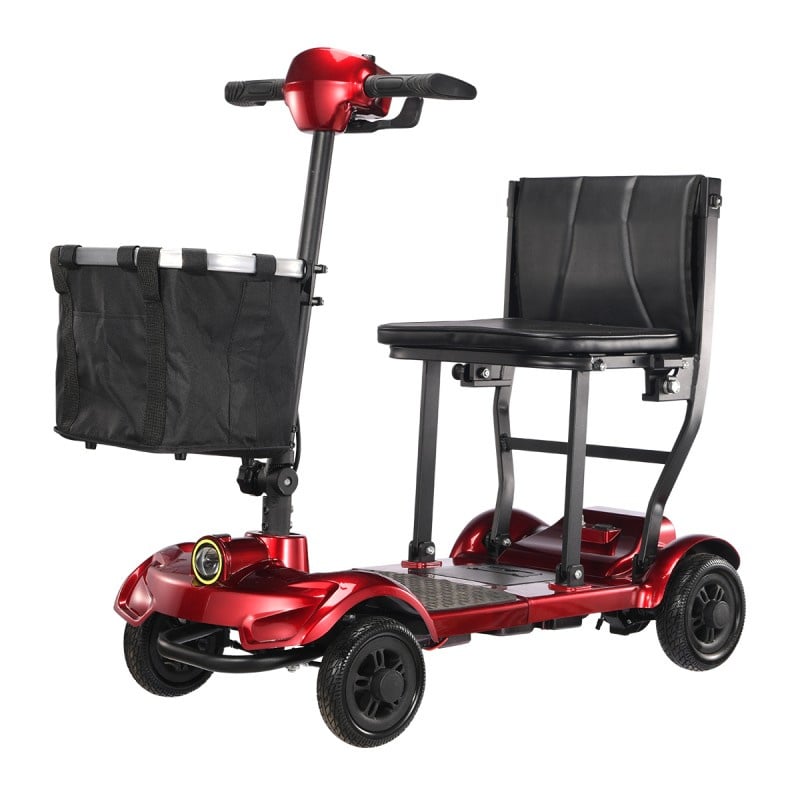
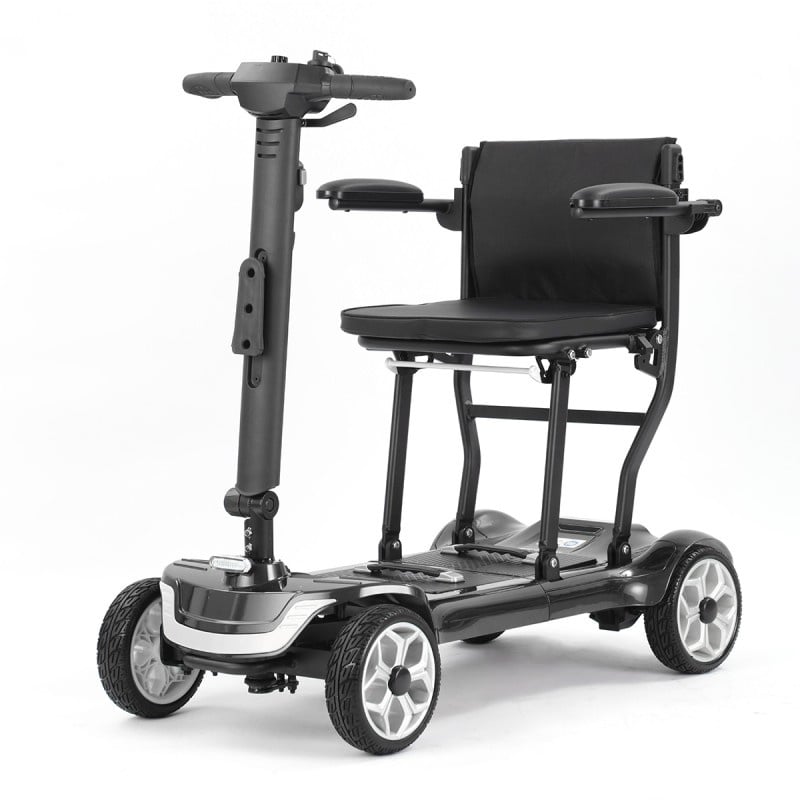
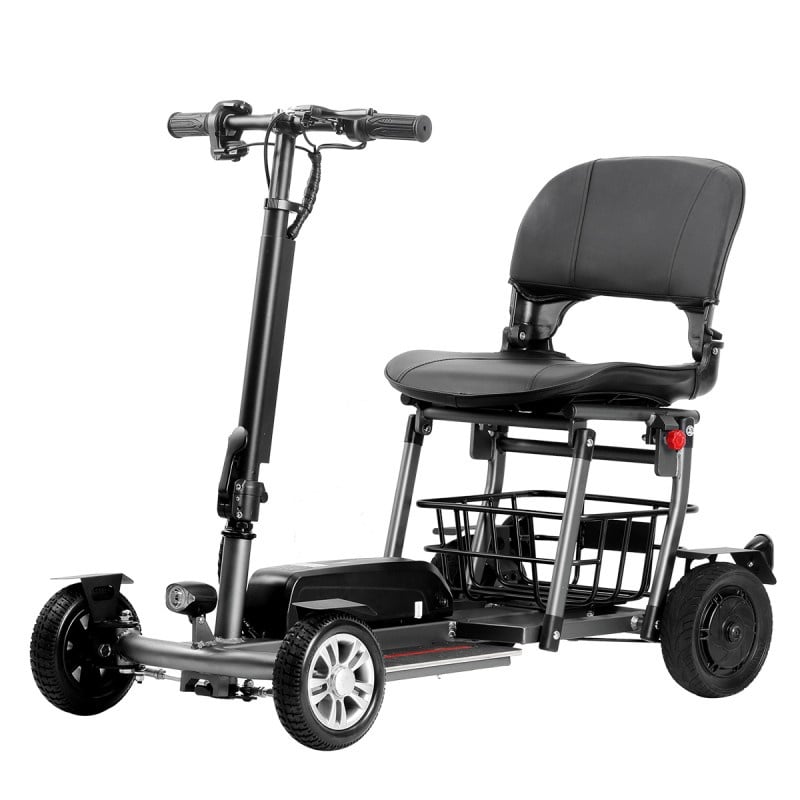
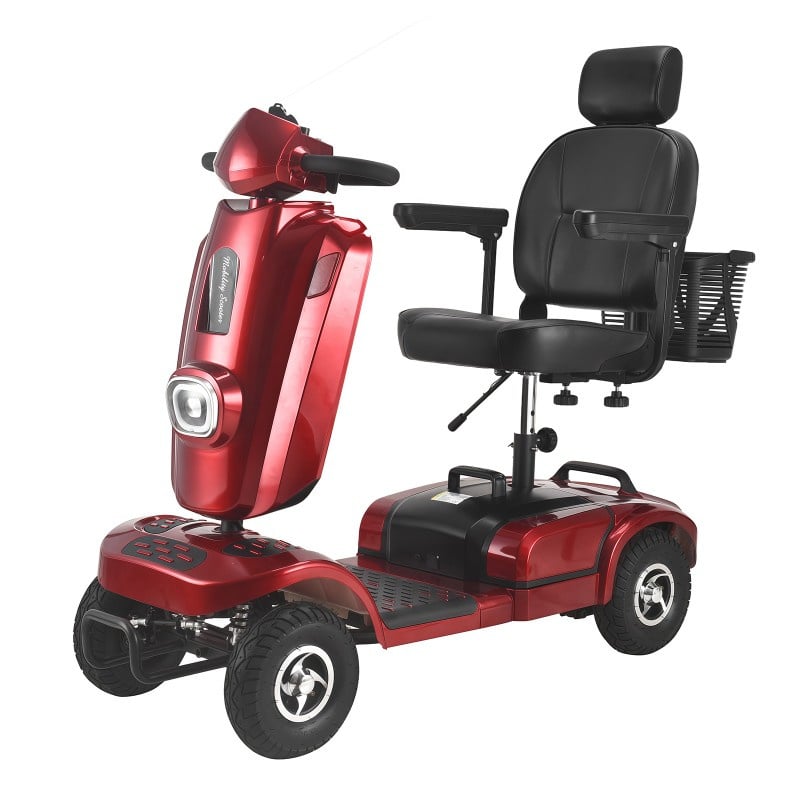
في تصميم الكراسي المتحركة الكهربائية المصنوعة من السبائك، أصبح دمج الكوابح الإلكترونية مع الكوابح اليدوية الميكانيكية التكوين القياسي. ويستند الاعتماد الواسع على هذه الطريقة إلى تقييم شامل لفعالية التكلفة والمنتج، وسياقات الاستخدام، ومتطلبات سلامة المستخدم.
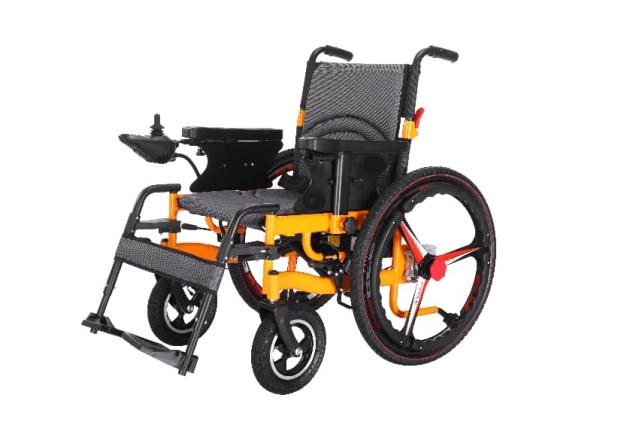
حماية مزدوجة: كيف تعمل الكوابح الإلكترونية والكوابح اليدوية معًا
تعتمد المكابح الإلكترونية على أوامر وحدة التحكم لبدء عملية الكبح؛ ويُفعَّل النظام تلقائيًّا فور إفلات المستخدم لمقبض التحكُّم (الجويستيك). ويتميز هذا النظام الكهرومغناطيسي للكبح باستجابته السريعة، حيث يُكمِل عملية الكبح في غضون ٠٫٥ ثانية لتلبية الاحتياجات الأساسية للسلامة أثناء التنقُّل اليومي. كما أن ميزة «القفل التلقائي عند انقطاع التيار» الخاصة به عمليةٌ جدًّا — إذ يتوقف الكرسي المتحرك فورًا حتى في حالة انقطاع التيار الكهربائي، مما يمنعه بفعالية من الانزلاق إلى الخلف على المنحدرات.
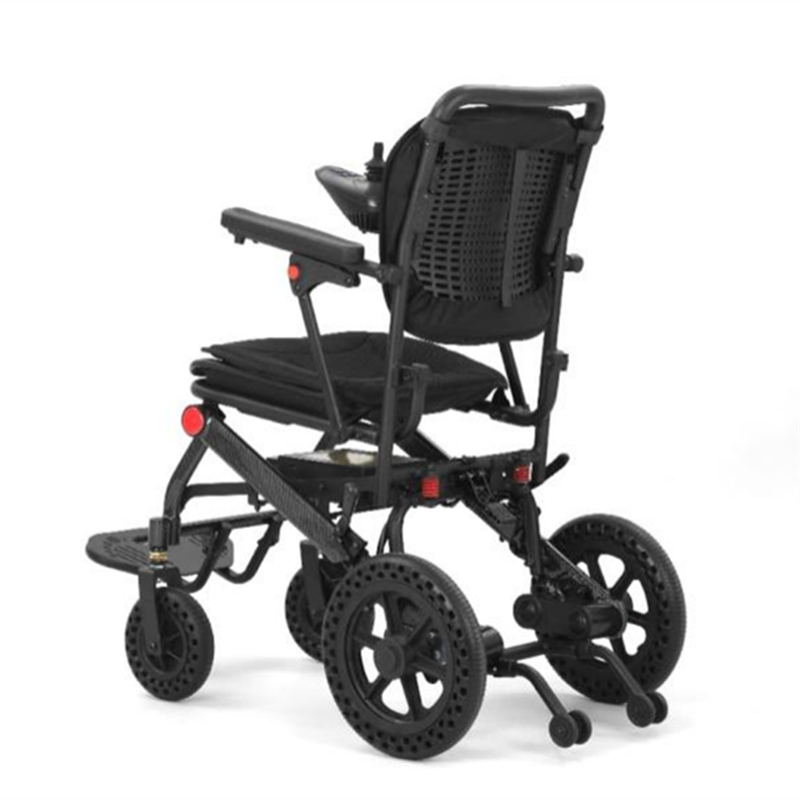
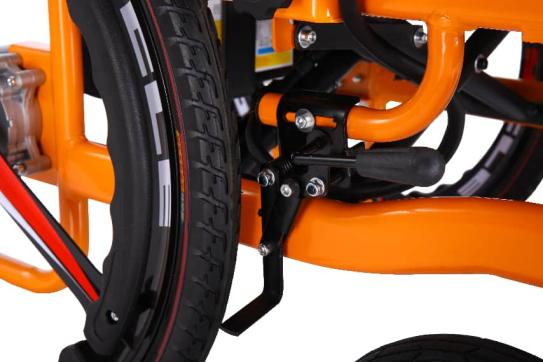
تُشكِّل مكابح اليد الميكانيكية نظام أمان احتياطيًّا مستقلًّا، وتستخدم آلية سحب تقليدية تعتمد على الكابلات الفولاذية. ويمكن للمستخدمين تفعيل المكابح يدويًّا لقفل العجلات ميكانيكيًّا. وبما أن هذه المنظومة تُعَدُّ آليةً بحتةً، فإنها تعمل تمامًا دون الحاجة إلى الكهرباء، مما يوفِّر وسيلة احتياطية موثوقة في حالة حدوث عطلٍ في النظام الإلكتروني. وقد أظهرت الاختبارات الميدانية أنه عند استخدام المكابح اليدوية بالشكل الصحيح، يمكنها إبقاء الكرسي المتحرك ثابتًا على منحدر بزاوية ٣٠ درجة لمدة تزيد عن أربع ساعات.
موازنة التكلفة والجدوى العملية
يتم تسويق الكراسي المتحركة الكهربائية المصنوعة من السبائك أساسًا لكونها اقتصادية وعملية، ويتناسب دمج المكابح الإلكترونية مع المكابح اليدوية تمامًا مع هذا التموضع التسويقي للمنتج. وبالنسبةً لنظام المكابح الهيدروليكي الكامل، فإن هذا النهج الهجين يقلل تكاليف التصنيع بنسبة تقارب ٤٠٪، ما يساعد في الحفاظ على سعر البيع النهائي للكرسي المتحرك الكامل ضمن النطاق المستهدف البالغ ٣٠٠ إلى ٥٠٠ دولار أمريكي.
التكيف مع سيناريوهات مختلفة
في البيئات الخاضعة للرقابة مثل دور رعاية المسنين، تُسهِّل وظيفة Stationary Parking التلقائية الخاصة بالفرامل الإلكترونية بشكل كبير عمل مقدّمي الرعاية. وعندما يحتاج مقدّم الرعاية إلى الابتعاد لفترة قصيرة، تبقى الكرسي المتحرك ثابتًا تلقائيًّا، مما يمنع أي حركة عرضية. ثم تُستخدم الفرامل اليدوية لتوفير أمان إضافي في حالة نقل المريض أو أثناء فترات الوقوف الطويلة.
أما بالنسبة لكبار السن الذين يستخدمون الكرسي المتحرك في المنزل، فإن وجود منطق تشغيل بسيط وبديهيٍّ يكتسب أهمية قصوى. فالفرامل الإلكترونية لا تتطلب أي تدريب مسبق لاستخدامها، بينما تتماشى الحركة الميكانيكية البديهية للفرامل اليدوية تلقائيًّا مع عادات الاستخدام لدى كبار السن. ويؤدي هذا التصميم إلى خفض حاجز التشغيل، ما يضمن أن يتمكّن المستخدمون ذوي المستويات المختلفة من القدرة الإدراكية من تشغيل الكرسي المتحرك بأمان.
في المناطق ذات التضاريس الجبلية أو المنحدرة، تبرز أهمية نظام الكبح المزدوج هذا بشكلٍ أكبر. توفر المكابح الإلكترونية تحكمًا فوريًا وديناميكيًا في الكبح، بينما يضمن فرامل اليد الثبات والأمان أثناء التوقفات الطويلة. أما في المناطق الجبلية، مثل جنوب شرق آسيا، فيُظهر هذا التصميم تحديدًا مزايا عملية واضحة.
**الموثوقية التقنية والأساسيات اللازمة للصيانة**
تتميّز منظومة المكابح الإلكترونية بتصميم مغلق يحميها بفعالية من الغبار والرطوبة؛ وبظروف التشغيل العادية، تبلغ عمرها الافتراضي من ٣ إلى ٥ سنوات. ويُوصى بإجراء فحص دوري للمنظومة كل ستة أشهر لضمان استجابة الحساسات بالكامل.
يتطلب نظام الفرملة اليدوي عنايةً أكثر تكرارًا. وبسبب الوزن الكبير لإطار الكرسي المتحرك المصنوع من سبيكة الحديد، تتعرض الكابلات الفولاذية داخل نظام الفرملة اليدوي لتوترٍ عالٍ؛ ولذلك يُنصح بالتحقق من مستويات توترها كل ثلاثة أشهر. وفي المناخات الماطرة أو الرطبة، يجب اتخاذ عناية خاصة لمنع صدأ الكابلات الفولاذية عبر تطبيق زيت تشحيم متخصص عليها بانتظام.
**توصيات الشراء**
يمكن للمستخدمين الأفراد ذوي الميزانيات المحدودة اختيار هذه التكوينة بثقة تامة. وقد أثبتت فعاليتها من حيث التكلفة وموثوقيتها صلاحيتها بشكلٍ شامل في السوق، كما تظل تكاليف صيانتها ضمن الحدود المعقولة. وعند إجراء عملية الشراء، ينبغي إعطاء الأولوية لقوة التشغيل المطلوبة لنظام الفرملة اليدوي؛ ويجب اختيار نموذج يوفّر نطاقًا واسعًا من إمكانية الضبط.
يجب أن تعطي المؤسسات الطبية التي تُجري مشتريات جماعية أولوية لمتانة النظام. وفي البيئات ذات الاستخدام المكثف، يُوصى باختيار وحدات كبح إلكترونية مُعزَّزة وإنشاء جدول صيانة دوري.
يجب أن يولي المستخدمون المقيمون في المناطق الريفية اهتمامًا خاصًّا بقدرة النظام على التكيُّف مع الظروف البيئية. فاختيار نظام كبح إلكتروني يتمتَّع بخصائص مقاومة للماء—إلى جانب نظام كبح يدوي خضع لمعالجة مضادة للصدأ—يكفل أداءً أفضل وقدرةً أعلى على التحمُّل عند التنقُّل في الظروف الخارجية المعقدة.
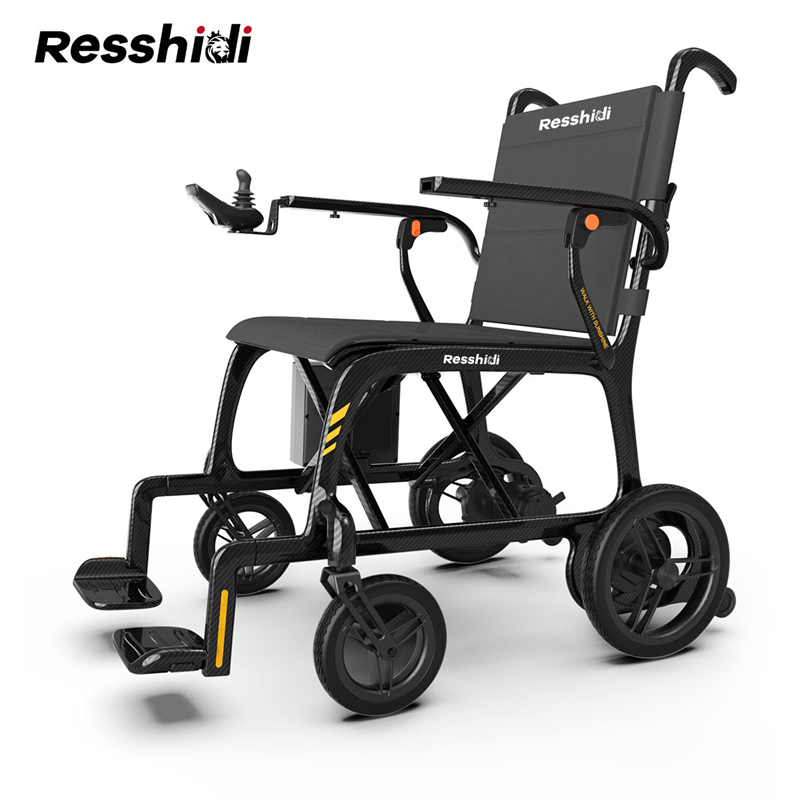
وبفضل التكامل السلس بين نظامَي الكبح الإلكتروني واليدوي، يوفِّر كرسي Resshidi الكهربائي المصنوع من سبائك الحديد للمستخدمين ضمان سلامة موثوقٌ به على طبقتين—مع الحفاظ في الوقت نفسه على الالتزام بالفعالية التكلفة والجدوى العملية.
 أخبار عاجلة
2026-02-28
2026-02-23
2026-02-18