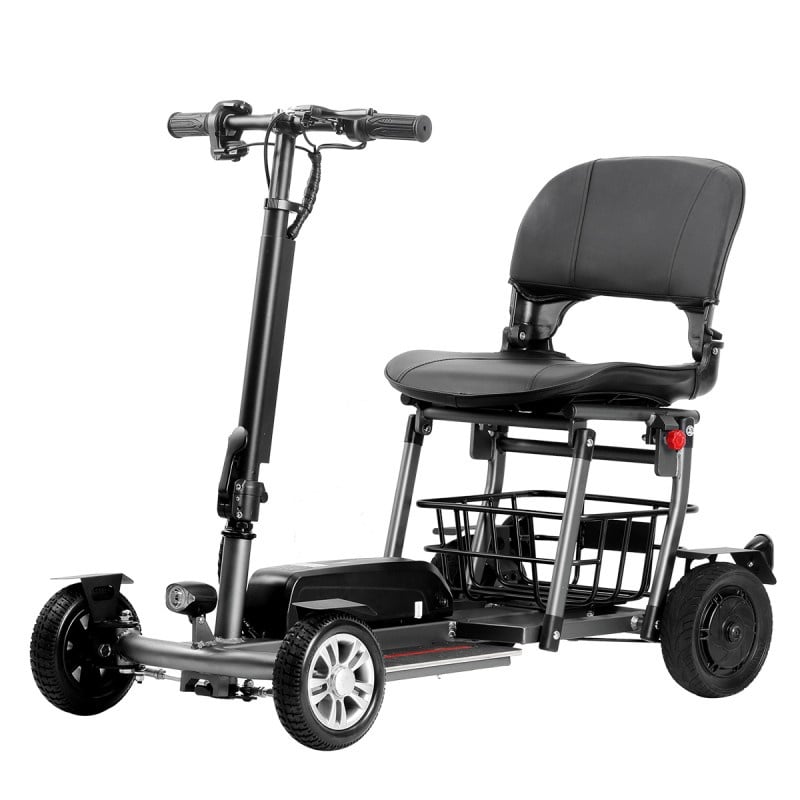
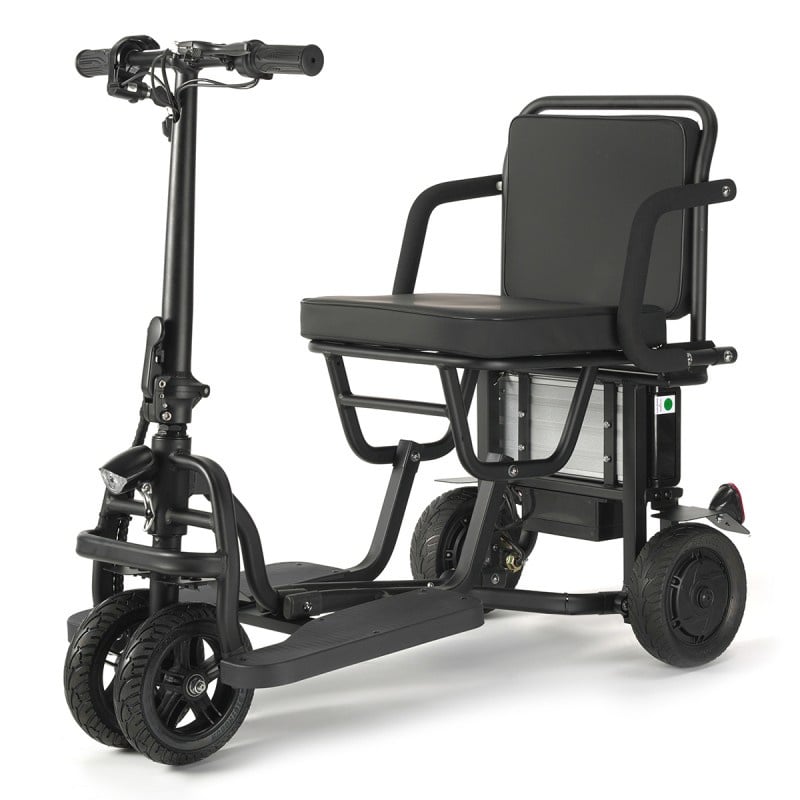
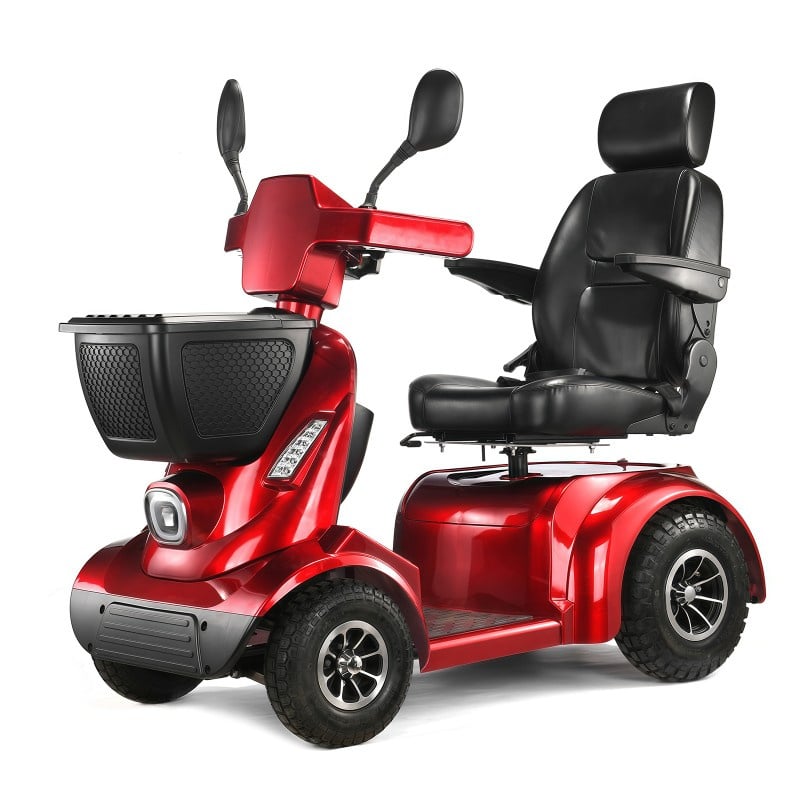
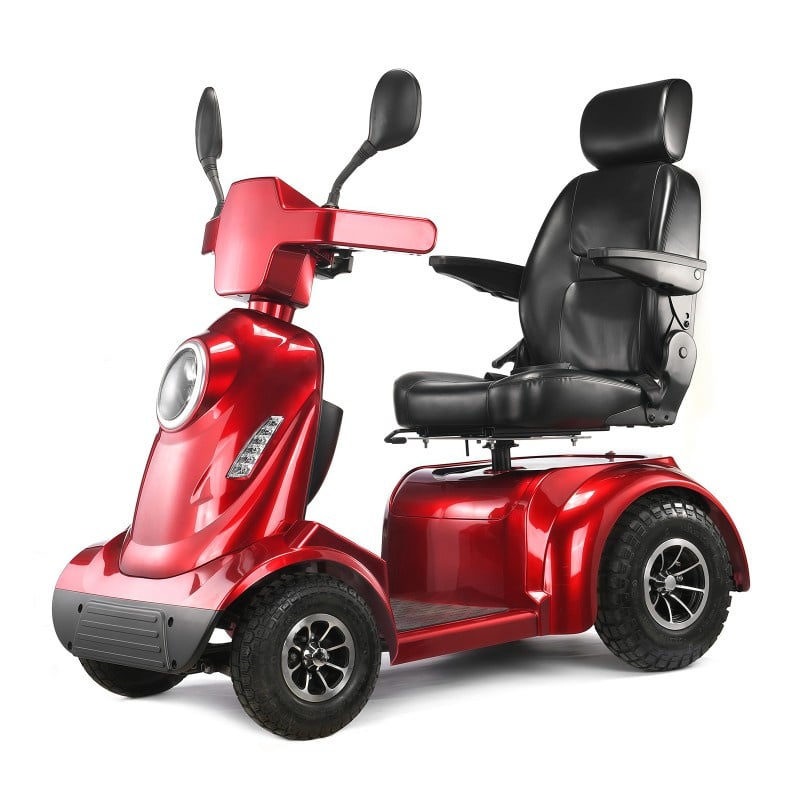
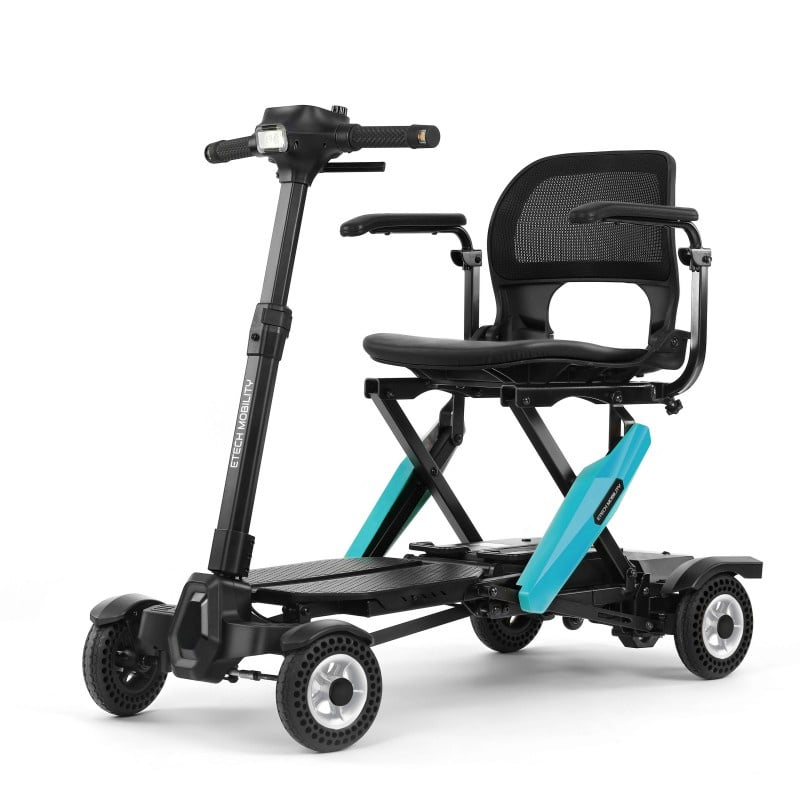
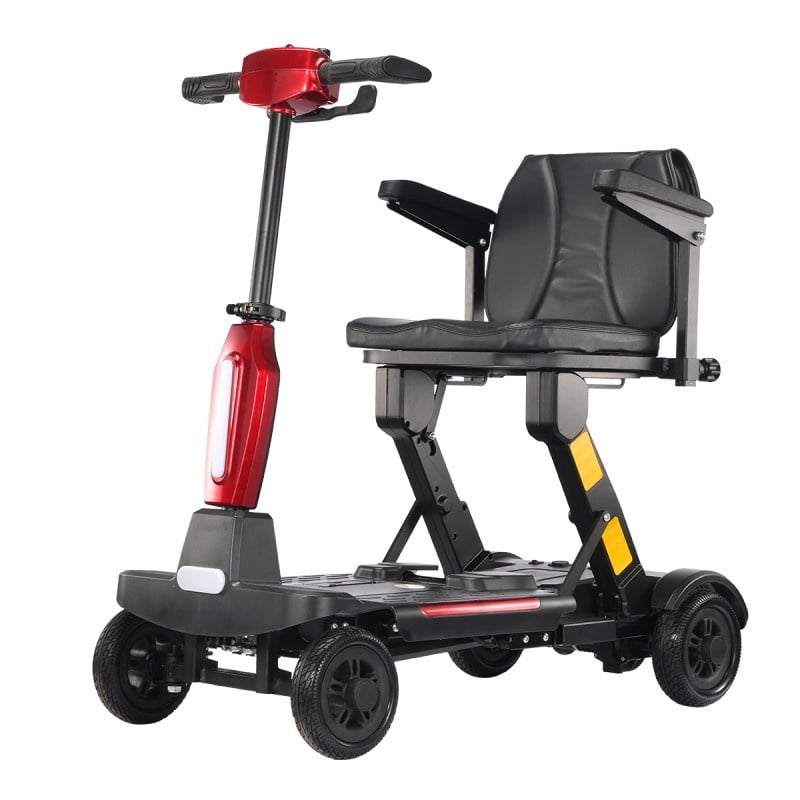
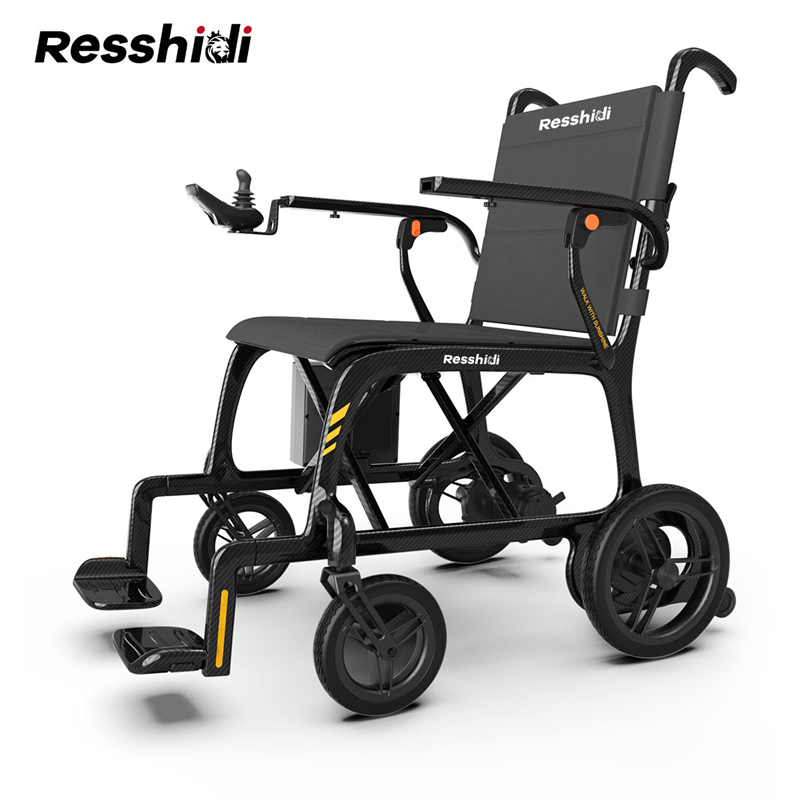
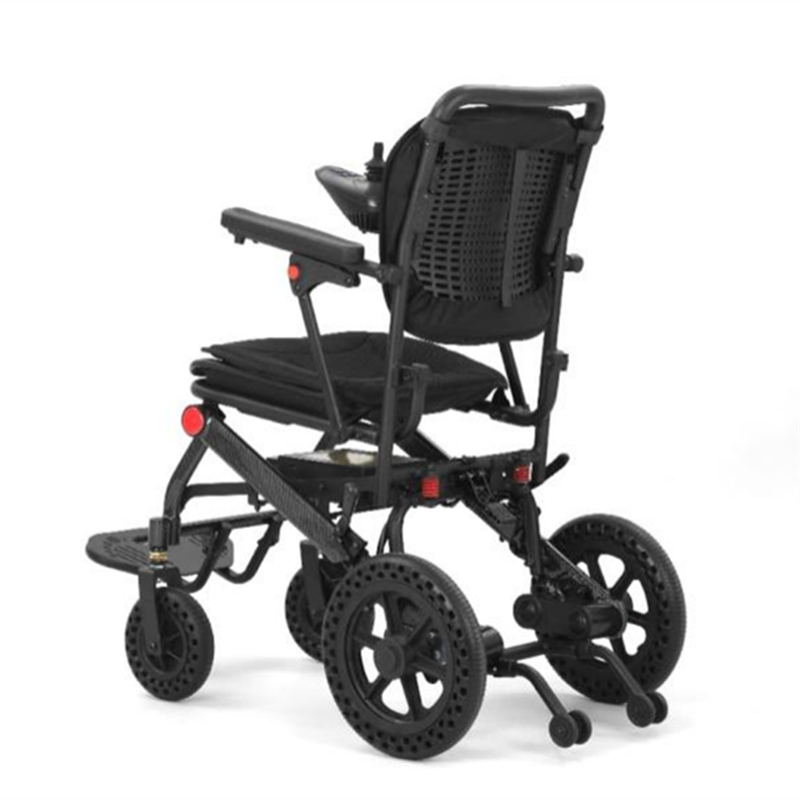
Amidst the continuous advancement of electric wheelchair technology, the traditional pairing of iron alloy electric wheelchairs and lead-acid batteries continues to command a substantial share of the market. This seemingly conservative technological combination is, in reality, rooted in a profound understanding of the usage habits and cost tolerance of specific user demographics.
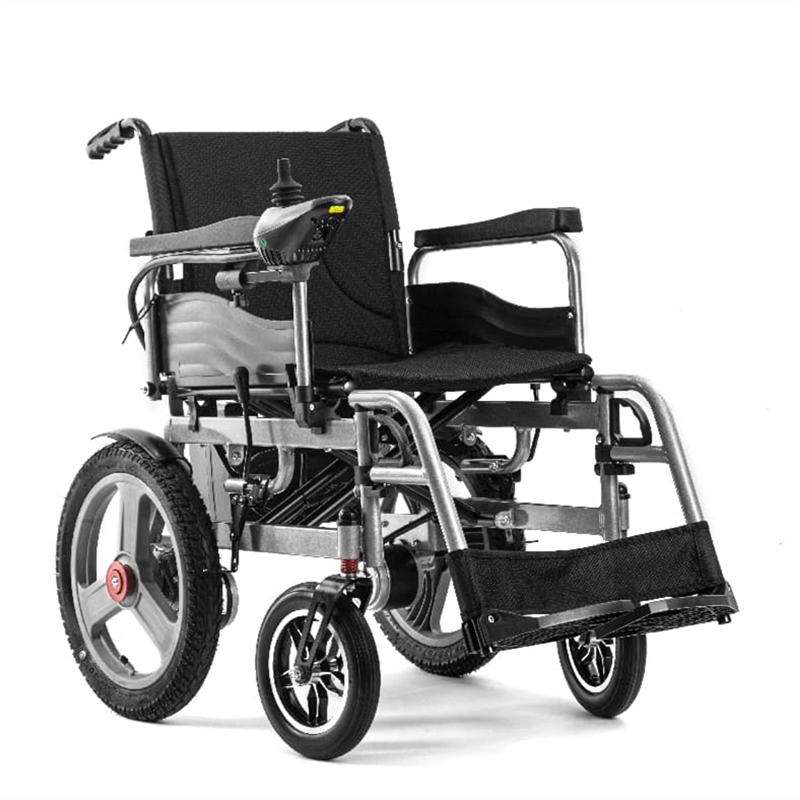
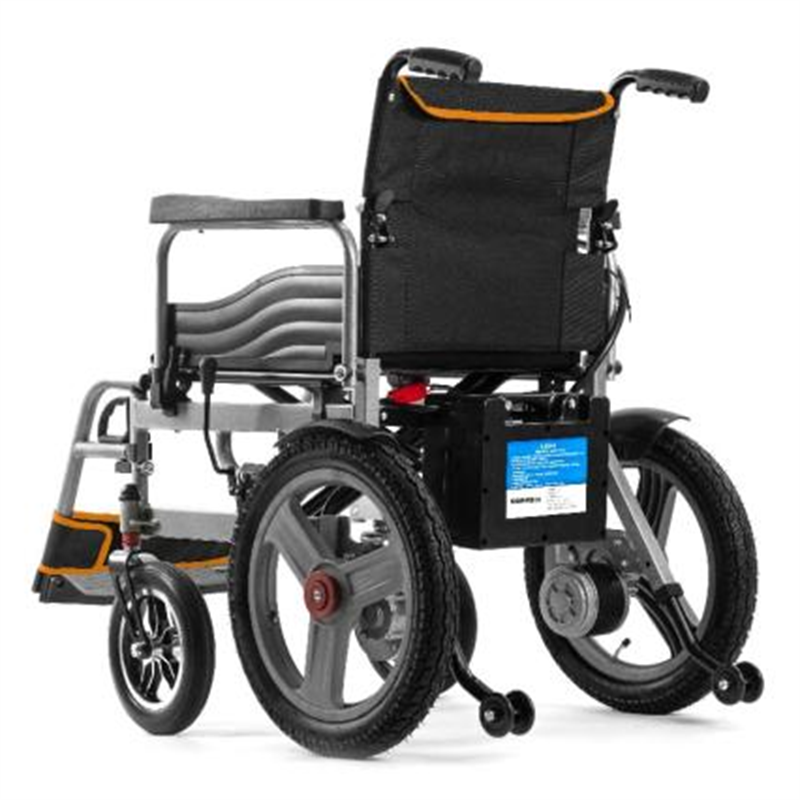
Prioritizing Economy: Price Advantage Drives Design Philosophy
The market positioning of iron alloy electric wheelchairs dictates a necessity to keep overall manufacturing costs in check—an area where lead-acid batteries possess an inherent competitive edge. For equivalent capacities, the procurement cost of lead-acid batteries is merely one-third to two-fifths that of lithium batteries. This cost efficiency allows the final retail price of iron alloy wheelchairs equipped with lead-acid batteries to remain at an accessible level, making them highly attractive to individual buyers operating on a limited budget.
For public hospitals and social welfare institutions requiring bulk purchases, the cost differential becomes even more pronounced. Taking a procurement project of 100 wheelchairs as an example, opting for the lead-acid battery solution over the lithium battery alternative can result in savings of tens of thousands of dollars. Such savings are of significant consequence to public healthcare systems facing tight budgetary constraints.
Performance Suitability: A Natural Fit Between Material Characteristics and Functional Requirements
Iron alloy wheelchairs typically have an unladen weight exceeding 30 kilograms; this inherent characteristic reduces the sensitivity to—and necessity for—battery lightweighting. Although a lead-acid battery weighs approximately 60% more than a lithium battery of equivalent capacity, when mounted on an iron alloy frame, this additional weight has a negligible impact on the overall portability of the device. Practical testing indicates that the total weight of an iron alloy wheelchair equipped with a lead-acid battery falls between 35 and 40 kilograms—a figure comparable to that of an aluminum alloy wheelchair powered by a lithium battery.
In terms of power requirements, iron alloy wheelchairs primarily cater to scenarios involving indoor mobility and short-distance commuting, where the demands for extended range are relatively modest. The practical range of 15 to 20 kilometers offered by lead-acid batteries is more than sufficient to cover the daily mobility needs within confined environments such as nursing homes and community rehabilitation centers. Furthermore, the stable discharge curve characteristic of lead-acid batteries complements the robust and reliable product profile of iron alloy wheelchairs.
Maintenance Convenience: Practical Considerations Regarding Infrastructure
In developing regions—such as Southeast Asia and Latin America—the infrastructure and service networks for the maintenance and repair of lead-acid batteries are already well-established and highly mature. Even small-scale appliance repair shops at the township level are capable of handling basic diagnostics, fluid replenishment, and component replacement tasks. This extensive service coverage significantly lowers the barrier to post-purchase maintenance for ferroalloy wheelchairs.
In contrast, lithium-ion batteries rely on specialized Battery Management Systems (BMS) and technicians with specific electronic repair expertise; consequently, obtaining timely service in regions with underdeveloped infrastructure is often a challenge. For institutional buyers who prioritize product durability and ease of repair above all else, this factor frequently serves as a decisive element in their purchasing decisions.
**Safety and Reliability: The Inherent Advantages of Mature Technology**
Lead-acid batteries boast a history of practical application spanning over a century, and their safety characteristics have been thoroughly validated over time. In the event of anomalies—such as overcharging or short circuits—lead-acid batteries react relatively benignly, rarely resulting in severe safety incidents like thermal runaway or fire. This inherent stability is particularly invaluable for medical facilities that require continuous, round-the-clock operation.
Ferroalloy materials themselves possess excellent flame-retardant properties and structural integrity, serving as a perfect complement to the safety attributes of lead-acid batteries. The combination of these two elements provides users with a dual layer of protection, making it an ideal choice for elderly care settings where safety requirements are particularly stringent.
**Purchasing Recommendations: Practical Guidance for Diverse User Groups**
**Individual Users with Limited Budgets:** Ferroalloy wheelchairs equipped with lead-acid batteries represent the most economical option, offering the lowest barrier to entry for meeting basic mobility needs. They are particularly well-suited for elderly individuals whose activities are primarily confined to their homes or residential communities. When making a purchase, buyers should pay close attention to whether the battery compartment features a well-designed ventilation system.
**Nursing Homes and Medical Institutions:** This specific configuration offers significant cost advantages for bulk purchasing and features simple maintenance requirements, thereby helping to keep long-term operational expenses in check. It is recommended that these institutions implement a quarterly battery health check protocol to ensure the timely replacement of aging batteries.
**Users in Rural and Remote Areas:** Lead-acid batteries have relatively low requirements regarding power supply quality; they can continue to charge and function normally even in environments characterized by unstable voltage or frequent power outages. It is recommended to utilize a voltage-stabilizing charger to help extend the battery's overall cycle life.
**Individuals with Short-Term or Temporary Needs:** Whether for post-operative rehabilitation or temporary mobility impairment following an accidental injury, this economical and practical combination offers an effective solution for mobility challenges without imposing an excessive financial burden.
In summary, the pairing of ferroalloy electric wheelchairs with lead-acid batteries does not signify a reliance on outdated technology; rather, it represents a comprehensive and balanced decision based on a careful assessment of multiple factors, including cost-effectiveness, performance, ease of maintenance, and safety. For users with fixed usage scenarios, limited budgets, and no particular sensitivity to weight, this combination remains the most cost-effective choice currently available. Conversely, high-end users seeking extreme lightweight design and extended battery life may consider aluminum alloy or carbon fiber products equipped with lithium batteries, depending on their specific needs.
 Hot News
2026-02-28
2026-02-23
2026-02-18