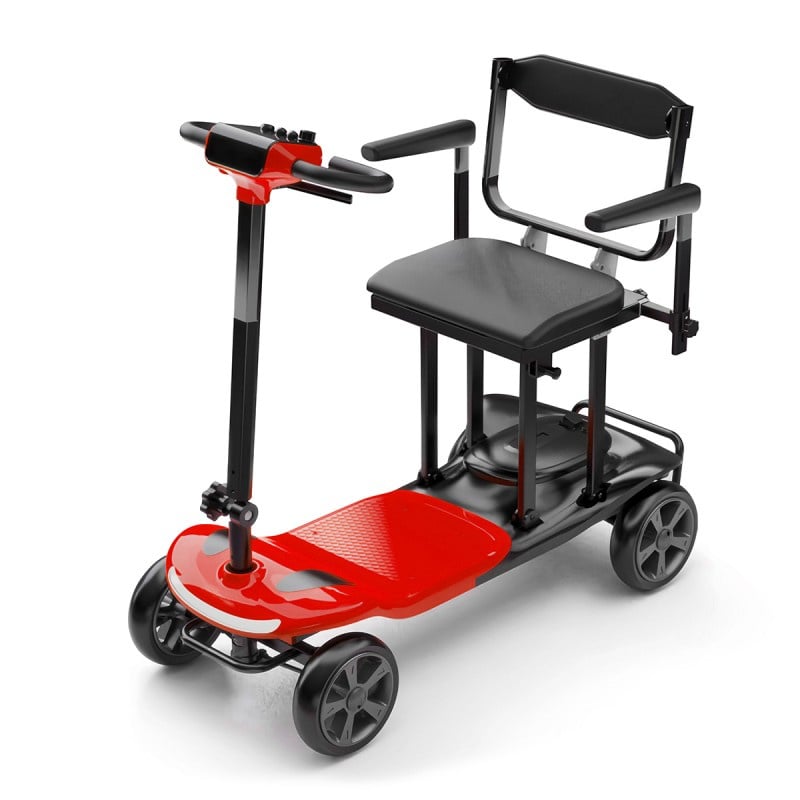
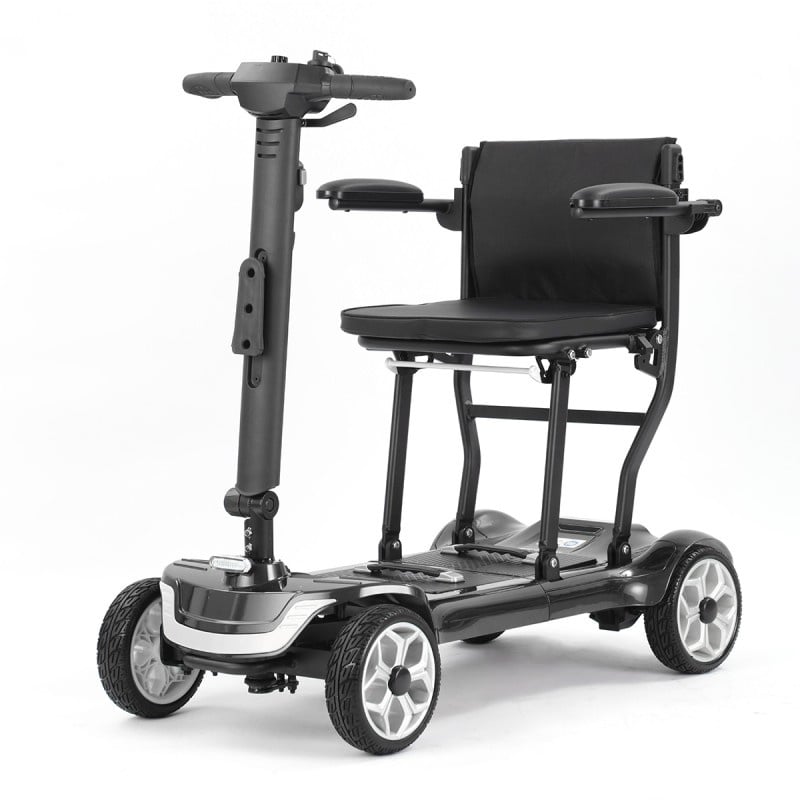
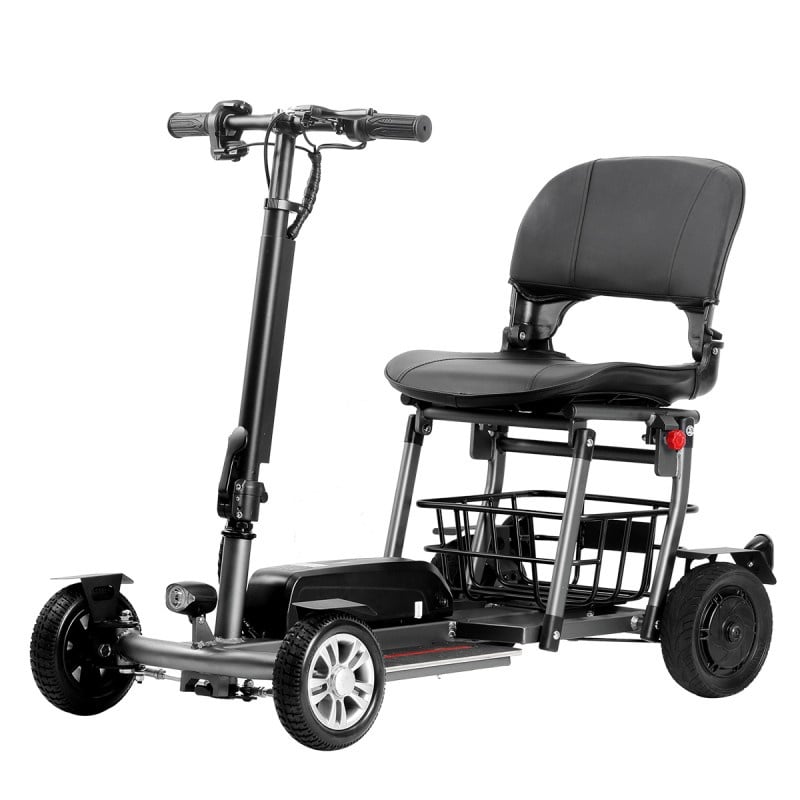
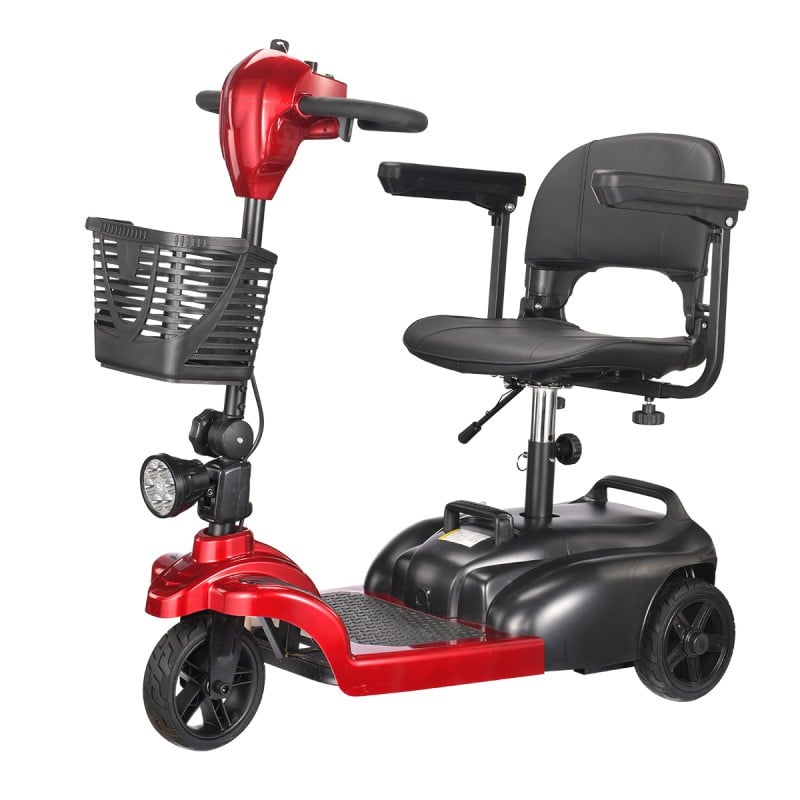
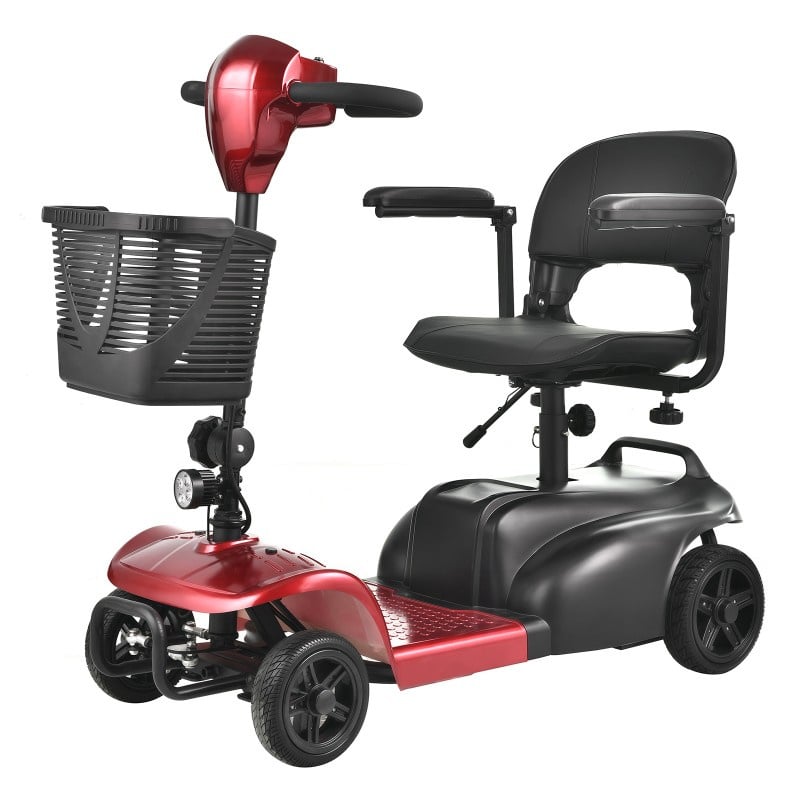
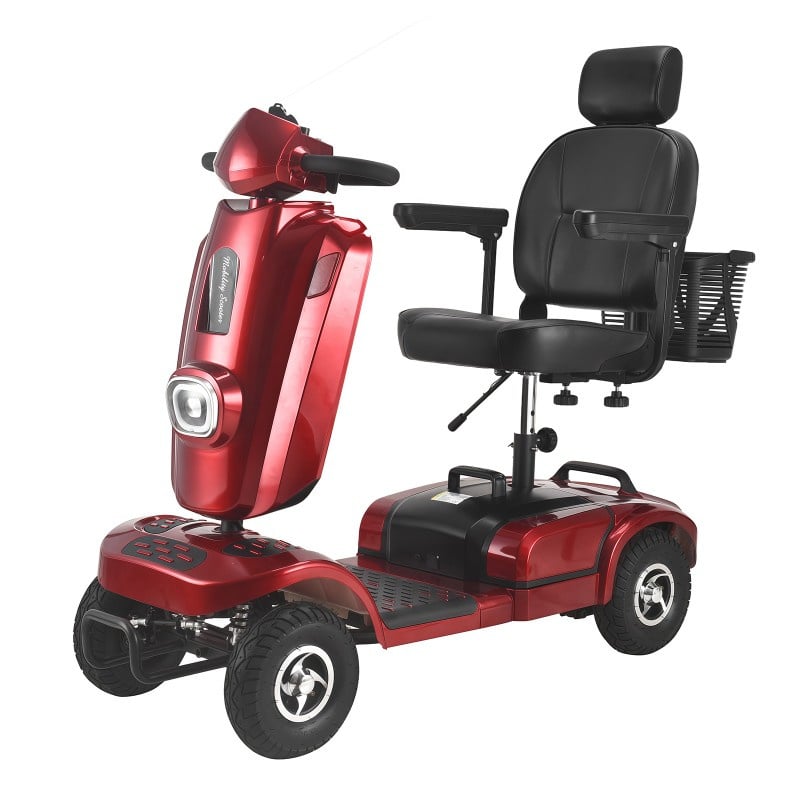
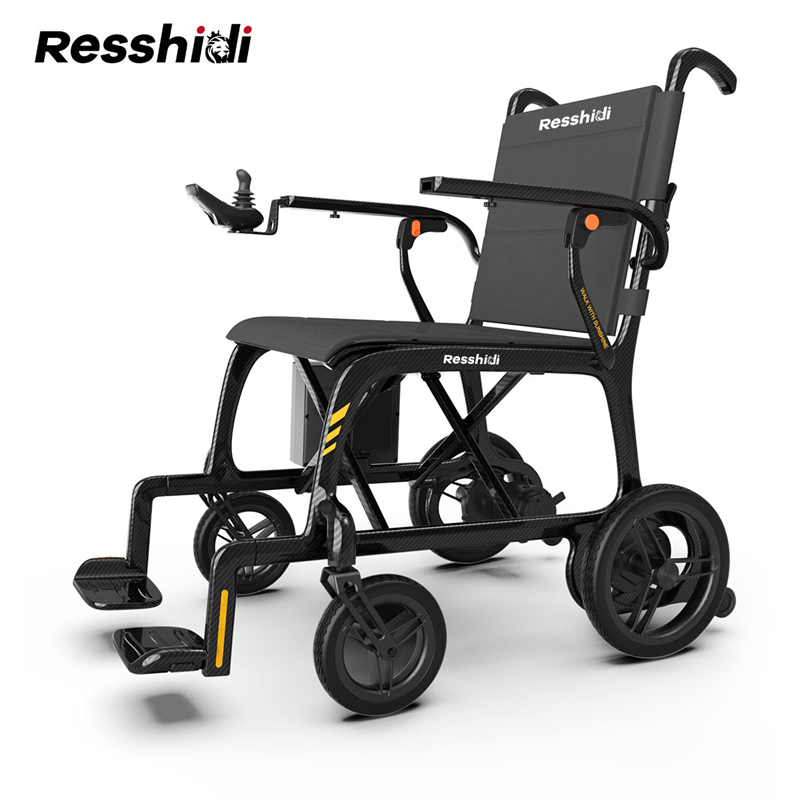
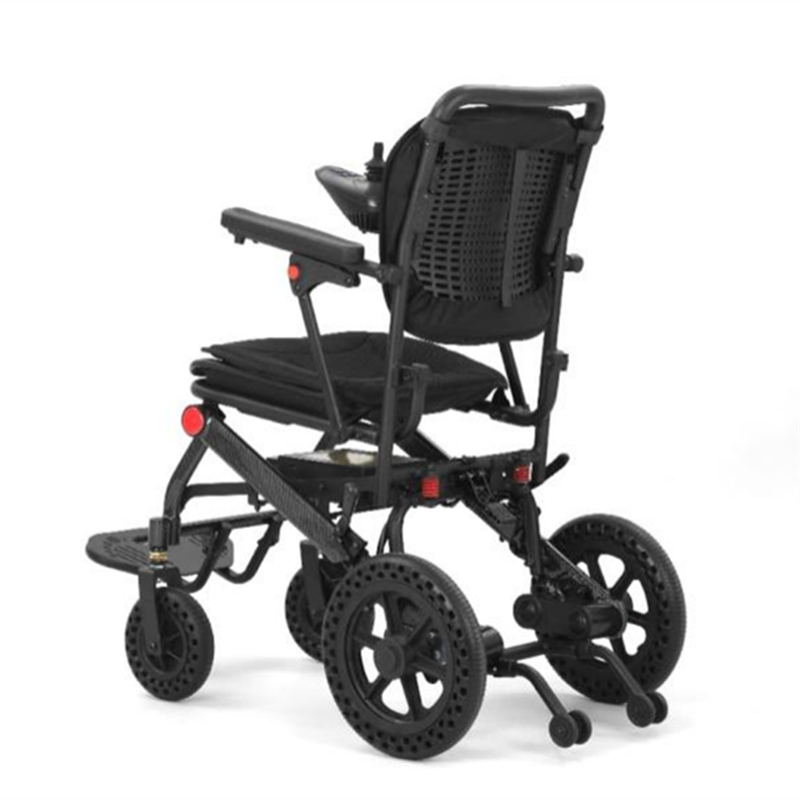
When shopping for an electric wheelchair, a common observation is this: traditional steel-frame models are predominantly equipped with lead-acid batteries, whereas modern carbon fiber or aluminum alloy frames almost exclusively utilize lithium batteries. This pairing is no mere coincidence; rather, it stems from a deep alignment between material properties, usage scenarios, and user needs. As a brand dedicated to smart mobility, Resshidi aims to use this article to shed light on the product logic underpinning these choices.
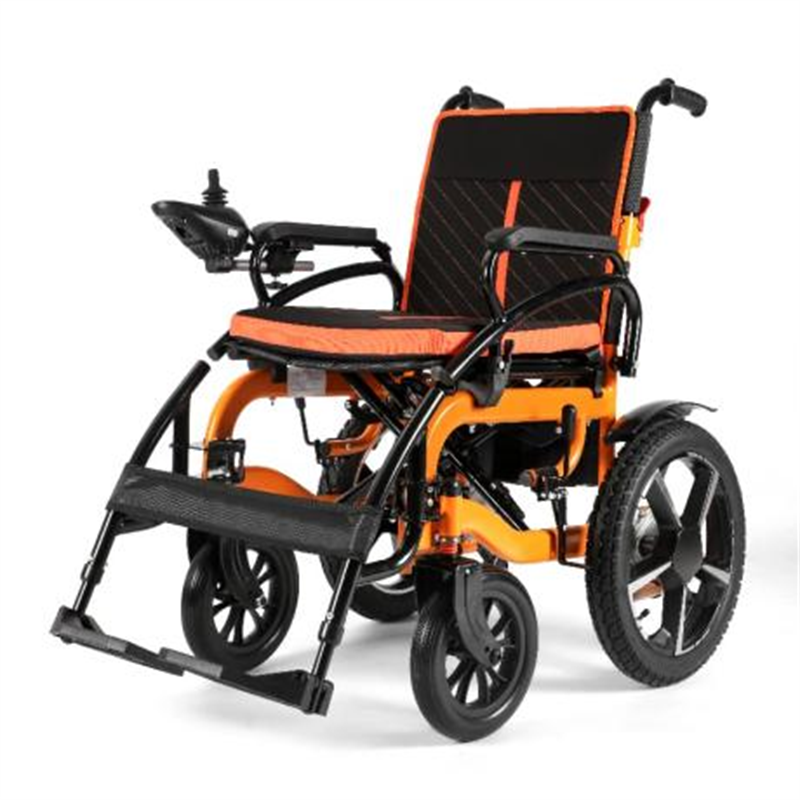
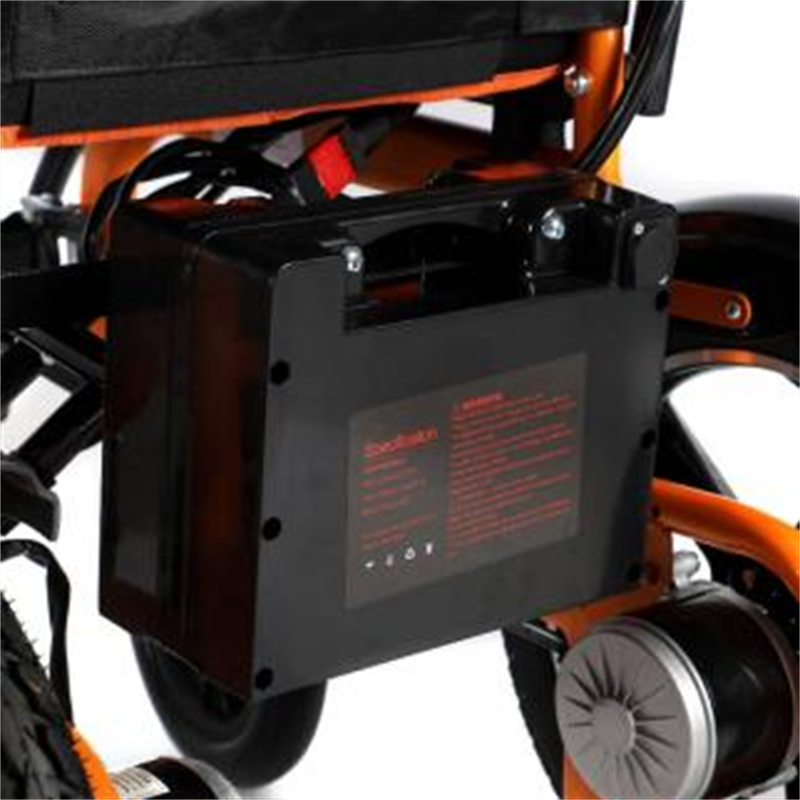
Steel-frame electric wheelchairs feature a welded frame constructed from high-strength steel tubing, with the total weight of the unit typically ranging between 25 and 35 kilograms. This structure inherently possesses exceptional load-bearing capacity and durability, making it relatively insensitive to the impact of additional weight. Although lead-acid batteries have a lower energy density, they are cost-effective and technologically mature—qualities that align perfectly with the cost positioning of steel-frame structures. Consequently, the heavier weight of these batteries has a relatively minor impact on the overall weight of this type of wheelchair.
The core advantage of carbon fiber and aluminum alloy wheelchairs lies in their lightweight design, allowing the total weight of the unit to be kept within the 15 to 22-kilogram range. These materials are inherently more expensive, and the design objective is to provide users with maximum portability and ease of use. The high energy density of lithium batteries—weighing only one-third to one-half as much as lead-acid batteries for the same capacity—makes them the inevitable choice for lightweight designs. The combination of these elements truly embodies the product philosophy of "effortless mobility."
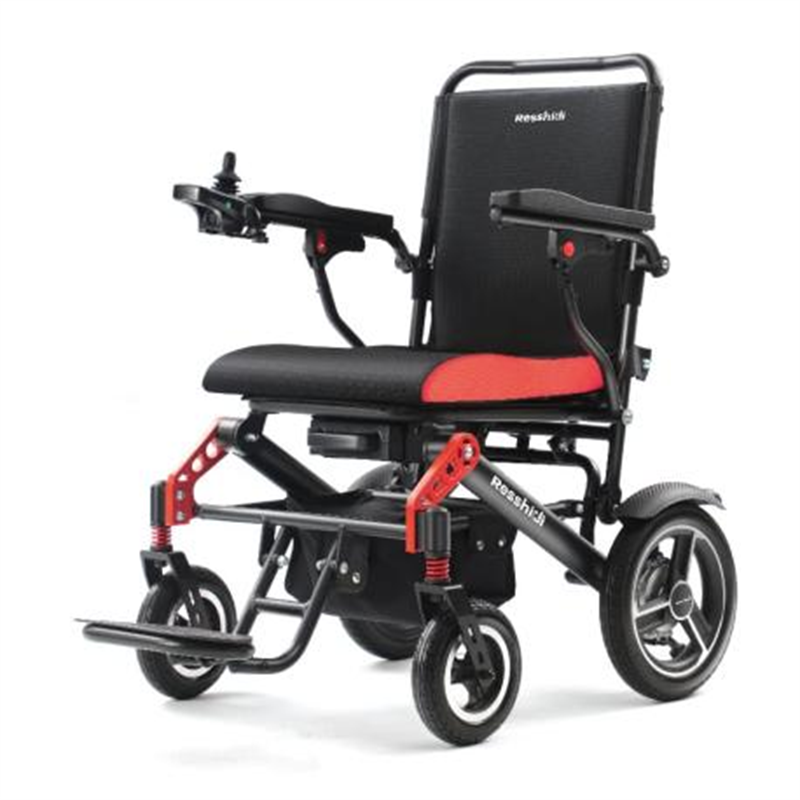
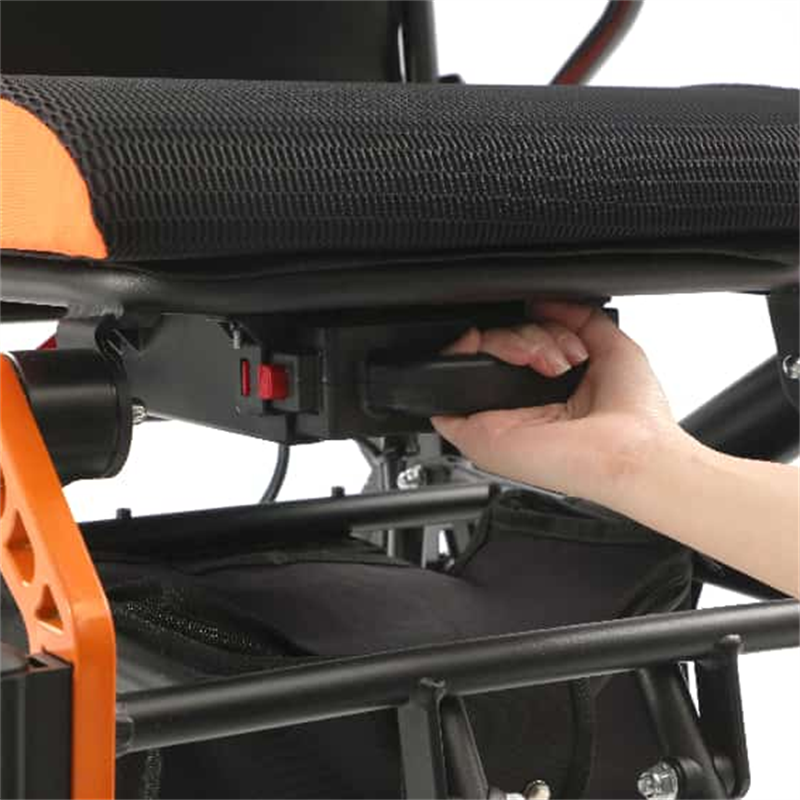
Steel-frame wheelchairs equipped with lead-acid batteries are typically positioned for basic daily use. They are best suited for regular travel within indoor environments or flat community settings, where charging facilities are stable and readily available; their typical range falls between 15 and 25 kilometers. This combination offers a reliable and economical solution, ideal for users with limited budgets or those whose usage scenarios remain relatively fixed.
In contrast, the combination of carbon fiber/aluminum alloy frames and lithium batteries caters to a more active lifestyle. Lithium batteries support faster charging speeds (typically reaching full capacity in 3 to 6 hours), offer a significantly higher number of charge-discharge cycles, and are free from the "memory effect." These characteristics enable them to adapt to more complex usage scenarios—including frequent outings, travel, and navigating ramps or uneven terrain. Furthermore, their lightweight nature makes it easier for users to load the wheelchair into a vehicle for transport or to maneuver it up and down stairs with assistance. User Profiles and Selection Logic
Users who opt for a combination of steel construction and lead-acid batteries typically prioritize product durability and cost-effectiveness. They tend to view their wheelchair as a stable, long-term assistive device, utilizing it in relatively controlled environments where frequent lifting or transport is not required.
Conversely, users who choose lightweight materials paired with lithium batteries often place a higher premium on independence and quality of life. They tend to be more active, requiring a wheelchair capable of adapting to a wide variety of settings—whether for travel, outdoor activities, or daily commuting. For caregivers, this lightweight design also serves to significantly reduce the physical burden associated with assisting in lifting and handling the device.
At Resshidi, we tailor our technical solutions to align with the specific, practical needs of each user. Our "Classic Series" features a reinforced steel frame paired with high-performance lead-acid batteries, striking an optimal balance between reliability and affordability. In contrast, our "Travel Series" utilizes aerospace-grade aluminum alloys or carbon fiber composites—combined with high-energy-density lithium batteries—to provide active users with a truly "burden-free" mobility experience.
We deeply understand that choosing a wheelchair involves more than just comparing technical specifications; it is about choosing a lifestyle. The careful pairing of battery technology and structural materials ultimately serves one core objective: to ensure that technology adapts to the individual, rather than forcing the individual to adapt to the technology.
If you would like to explore further which combination best suits your lifestyle—or that of a family member—our team of product consultants is available to provide personalized analysis and recommendations. We invite you to visit the official Resshidi website to browse detailed technical specifications and user case studies, or to contact us directly via our online consultation service. Together, let us discover the solution that makes every movement effortless and comfortable.
 Hot News
2026-02-28
2026-02-23
2026-02-18