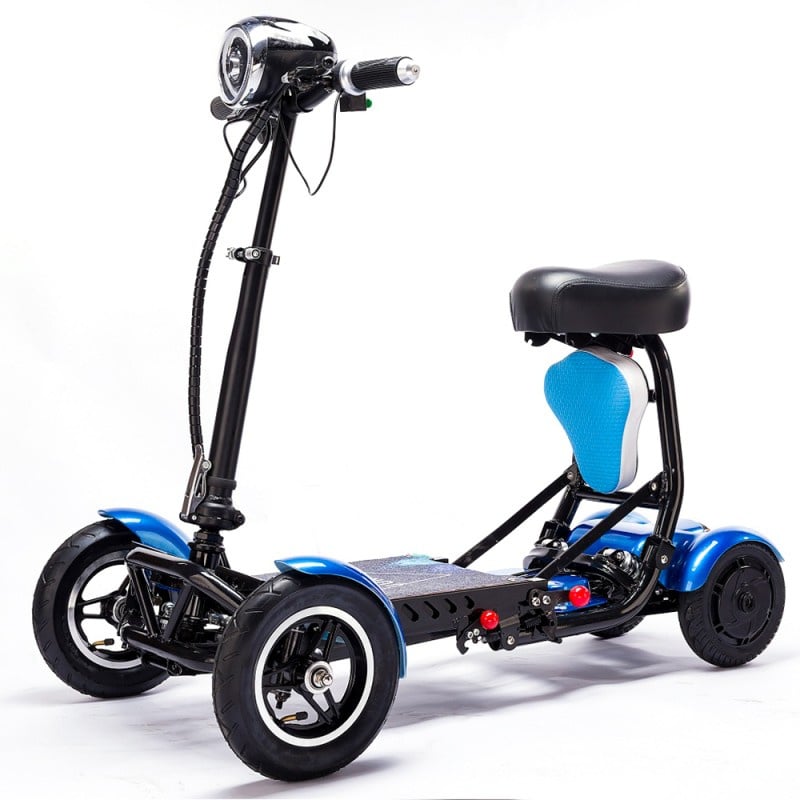
In today's rapidly evolving electric wheelchair industry, design has moved far beyond basic functionality. The focus now rests on human dignity, independence, and quality of life. As a provider of intelligent mobility solutions, Resshidi Technology places "human-centered design" at the heart of its product development. This article explores five key issues and principles that guide Resshidi's electric wheelchair design.

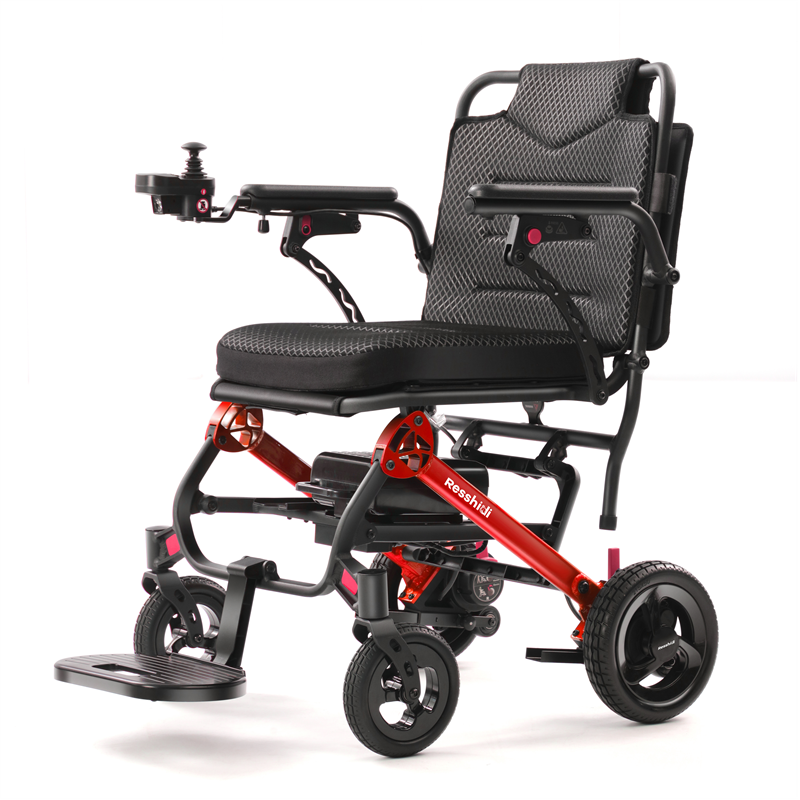
Safety is the foremost principle in electric wheelchair design. This includes not only structural stability, anti-tip features, and braking systems that meet international standards, but also the seamless integration of intelligent safety technologies. Features such as power-off neutral gear pushing, waterproof protection, and battery safety mechanisms are redefining what it means to keep users safe on the move.
A seat that follows the natural curves of the human body, multi-directionally adjustable armrests and footrests, and a scientifically tuned shock absorption system are essential for long-term users. Modern electric wheelchair design emphasizes "dynamic comfort"—providing body-supporting adaptability across different scenarios, whether outdoor travel, indoor maneuvering, or prolonged sitting. This reduces fatigue and lowers the risk of pressure sores.
Design should serve everyone, including users with varying physical abilities and cognitive levels. Intuitive control panels, straightforward operation modes (such as joysticks), and convenient folding or disassembly mechanisms are key to enhancing user autonomy. We believe that good design requires no lengthy instructions—it naturally fits into daily life.
At its core, design is an act of care. At Resshidi, every design journey begins with user stories. Every curve, every button, and every software update comes from listening to real needs and translating them into technical solutions. We work closely with rehabilitation physicians, engineers, and long-term users to ensure our products not only meet specifications but also deliver a thoughtful, comfortable experience.
An electric wheelchair is not only a medical assistive device—it is also an extension of the user's personal style. Lightweight materials, clean and fluid lines, and a variety of color options help break down social stereotypes associated with wheelchairs, conveying a confident and independent attitude toward life. The design should make the user feel, "This is a tool made for me," rather than, "This is a device I have to use."
The design of electric wheelchairs tells a complete story about restoring freedom, preserving dignity, and enabling participation in life. We are not just building products—we are creating sustainable mobility solutions.
Against the backdrop of global aging and rising awareness of accessibility, the evolution of electric wheelchair design will continue to drive progress toward a more inclusive society. Resshidi looks forward to advancing together with global partners and user communities, empowering every independent journey with innovative design.
 Hot News
2026-02-28
2026-02-23
2026-02-18