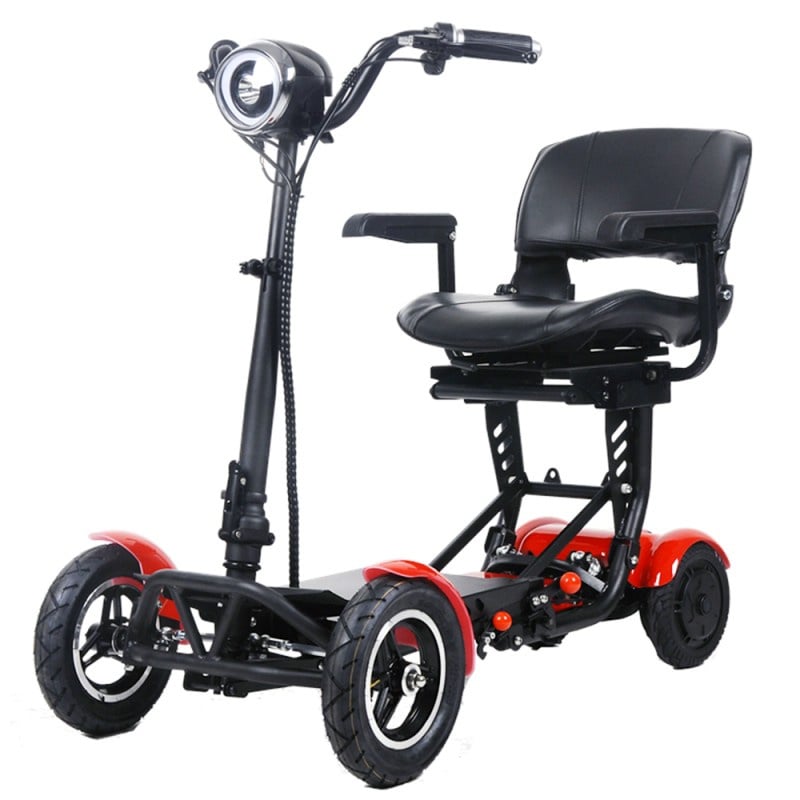
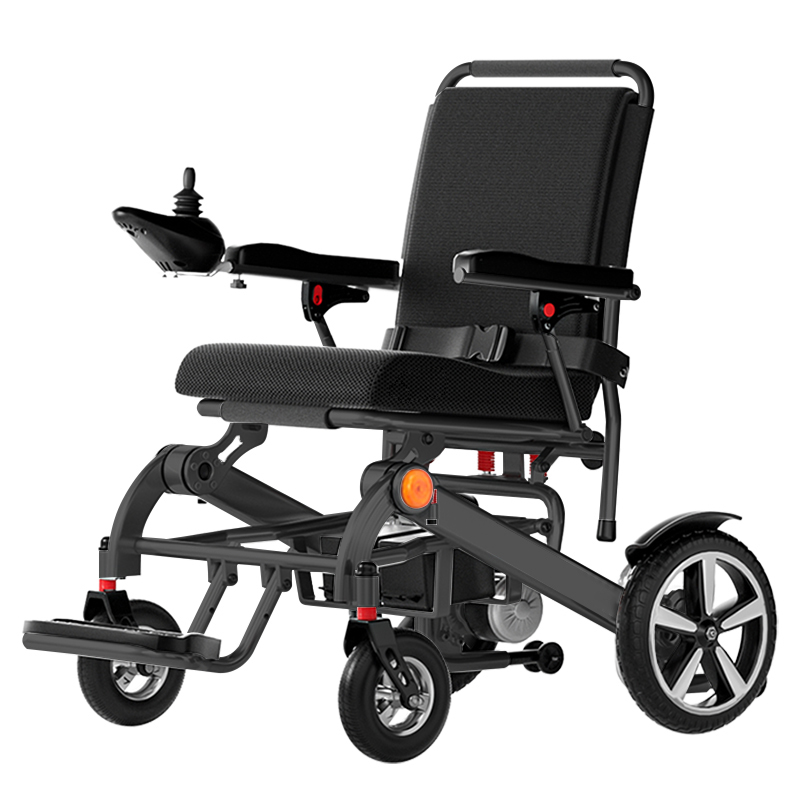
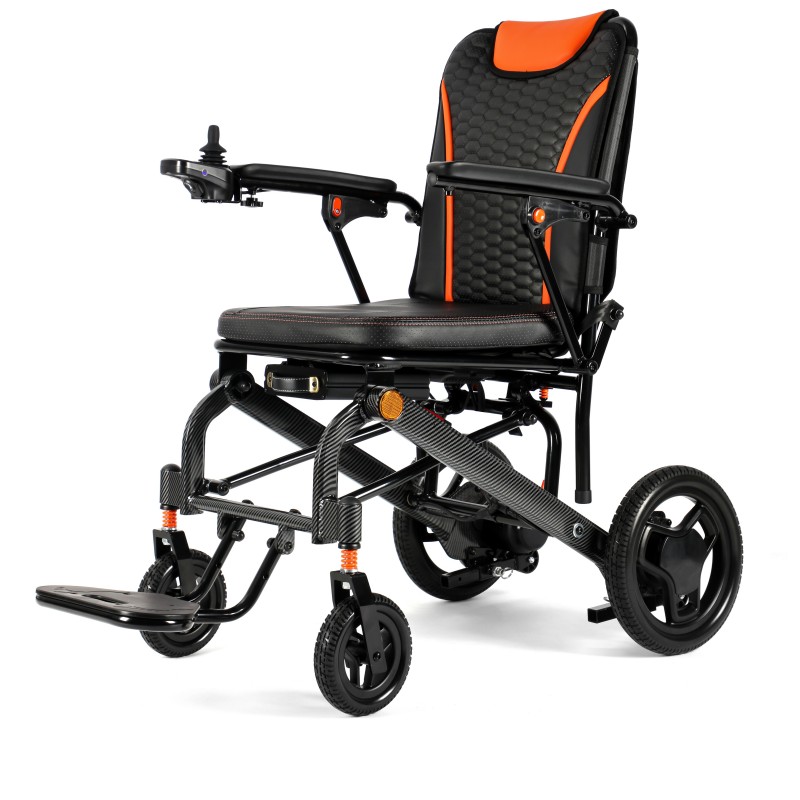
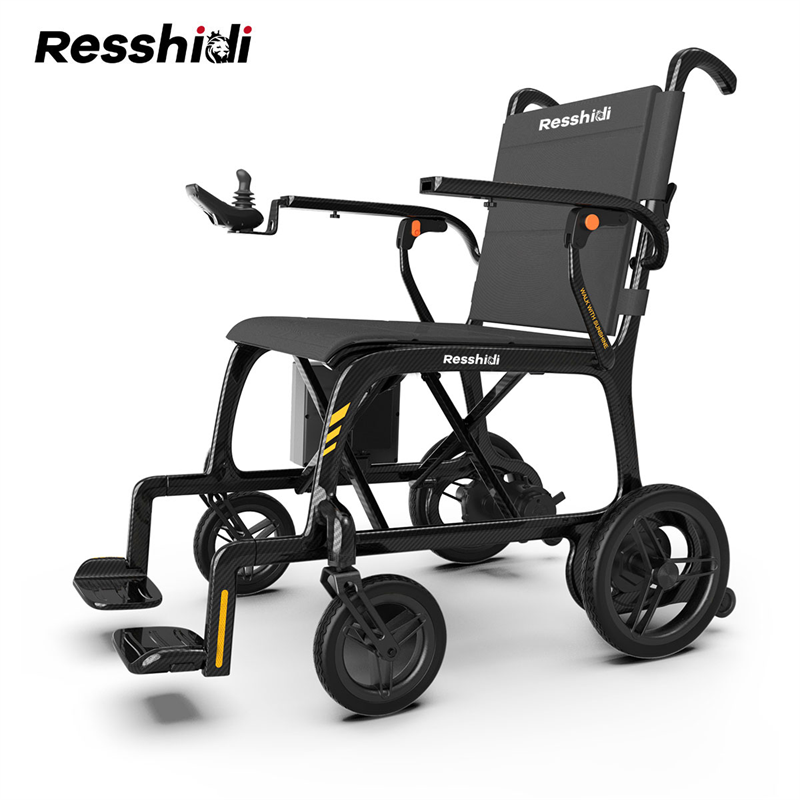
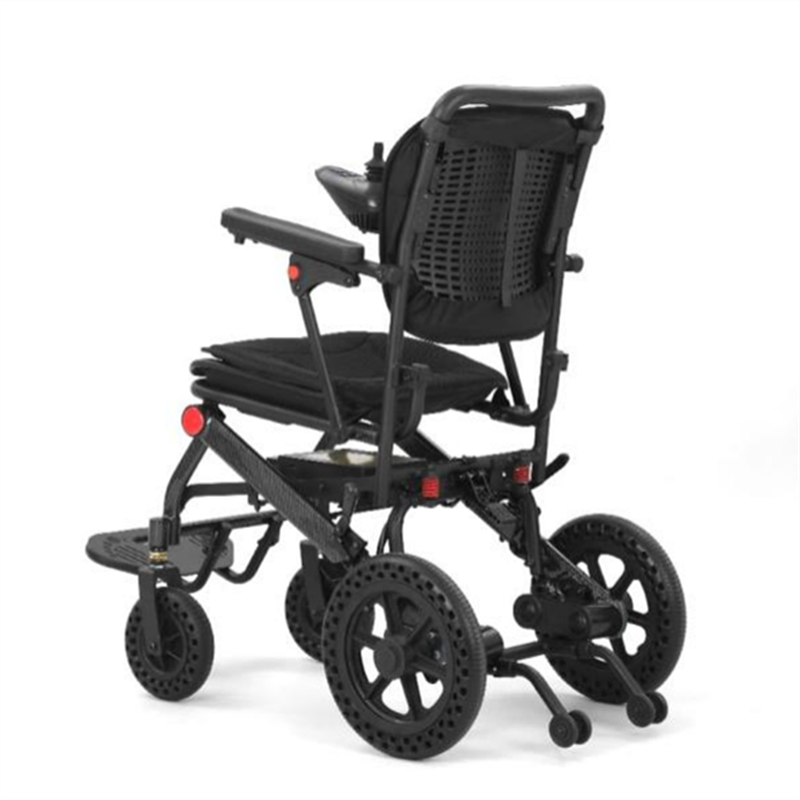
The sample on the table had black arm pads. The approved photograph showed grey ones. In the buyer's spreadsheet, the colour cell simply said “standard.” No grand error, then—just three careful people carrying three separate pictures in their heads.
Configuration drift often enters wearing slippers. Sample for the distributor; quotation for purchasing; image folder for marketing; sealed cartons for receiving. Weeks apart, those views can slide. Electric wheelchair configuration control is the thread that keeps those views attached to one sellable version.
At Resshidi, we prefer a record people can actually open during a call. It names the chair, the buyer's SKU, the market and the agreed revision. It also shows what changed, who accepted it and the date that decision began to apply. “Same as before” is not a revision number.
We start with a one-page identity sheet. Resshidi model on the left, distributor SKU on the right. Underneath: market, brand name, configuration nickname, revision and effective date. A buyer might call it “City Fold Blue”; our production team may use another internal model reference. Put the two names shoulder to shoulder. Now a late-night email need not translate from memory.
Next we ask, “What would make you stop opening this carton?” The answer becomes the lower half of the page: finish, seat pieces, arms, footrest, wheels, control layout, battery, charger, movement functions, included accessories, labels, manual and artwork. The camera gets two jobs—capture the identity label, then the little visual clues that say “this version, not its cousin.”
This electric wheelchair configuration control page is not a second catalogue. It is closer to a passport: compact, specific and difficult to confuse with another traveller. The wider Resshidi electric wheelchair manufacturing page remains useful for exploring capabilities. The passport settles what belongs in a particular order.
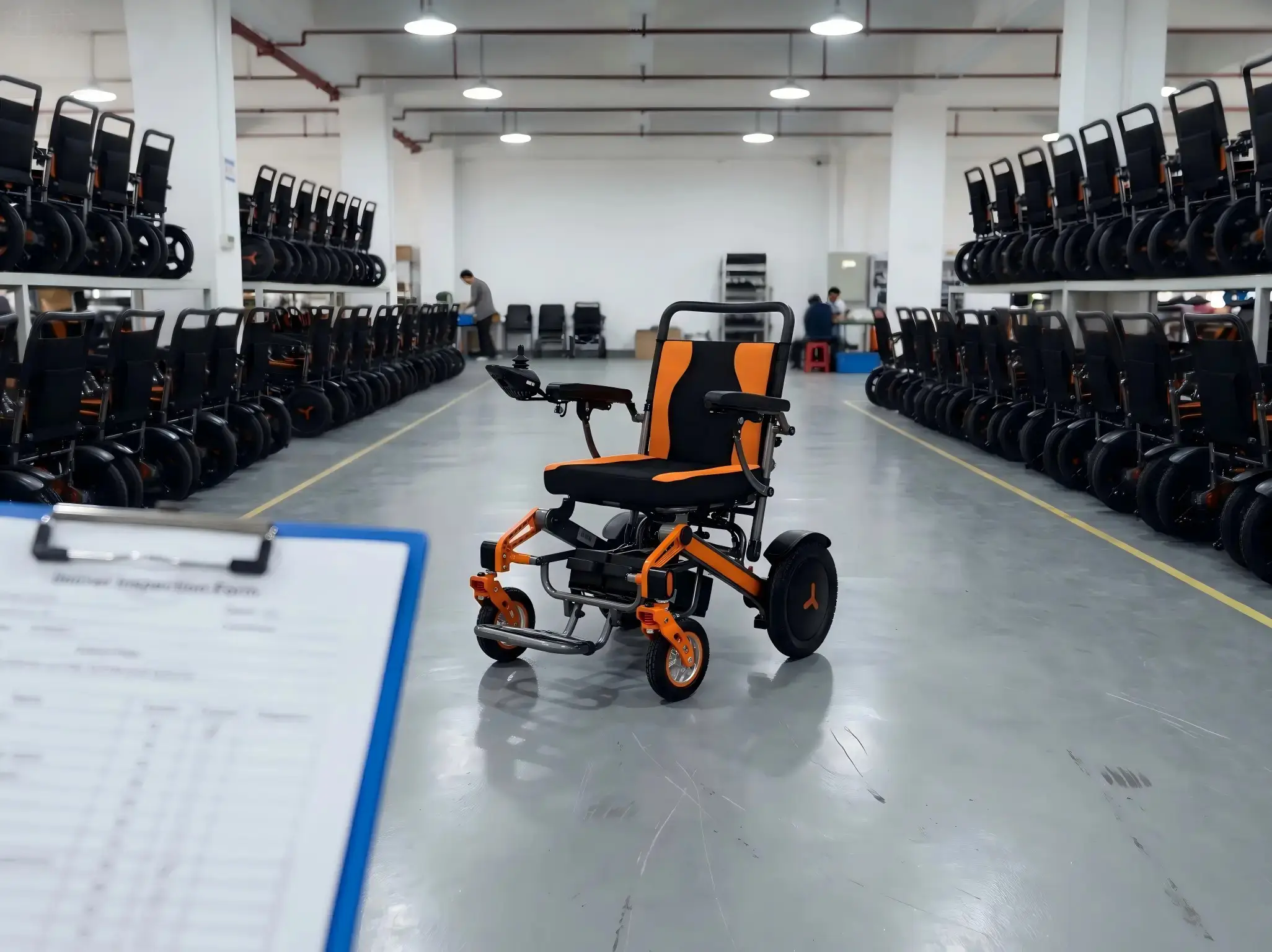
After approval, the revision follows the relevant work and inspection records. At the first finished-unit check, the team compares the chair with the signed sample views and configuration page. Nobody is asked to remember a video call held several weeks earlier.
Resshidi's power wheelchair portfolio spans different product families and material choices. That range gives distributors room to build a market offer, while making exact model identity even more important. “The aluminium one” may work in casual conversation. It cannot release a production batch.
On the line, a useful question is wonderfully plain: “Which approved picture am I checking against?” If the answer requires a search through somebody's chat history, the system has already become fragile.
A chair can be correct in the carton and wrong online. An old gallery image survives. A marketplace title uses the previous name. A dealer slide quietly treats an optional item as standard. Later, the customer believes the page rather than the packing record—which is understandable.
For each distributor SKU, we assemble a modest release pack: approved product name, chosen specification fields, included and optional features, current photographs, manual revision, supportable claims and release date. When a visible part or important figure changes, the same update list reaches the website, marketplace, catalogue and dealer material. The former pack moves into an archive clearly marked as old.
This consistency also helps search and GEO work. A search engine or language model can connect a product entity more reliably when the name, images and explanation agree across pages. Electric wheelchair configuration control therefore supports a clearer public entity. That is not a ranking trick. It is the online benefit of telling one accurate story.
The current Resshidi product range provides the public route into the portfolio. Buyer-specific configuration records remain controlled documents; public pages should never invent details that the approved record cannot support.
At receiving, we first leave the knife on the table. Can the outer information lead us to model, buyer SKU, revision or batch, option and quantity? If yes, choose the planned carton. Open that one. Chair, charger, manual and accessories now get their small reunion with the approved page.
Mismatch? The unit waits; the description does the travelling. “Wrong chair” is rarely enough. “Buyer SKU RS-204, carton says Rev B, charger label shows the former model name” gives the next person a beginning. Here, electric wheelchair configuration control turns a complaint into a traceable question.
The same discipline protects spare parts. Tiny product thumbnails are charming liars, so no controller, wheel, battery or trim gets chosen on resemblance alone. We follow the cross-reference from the part information to model and revision. If the trail stops, we ask.

Quotation, sample, web page and spare-parts list should describe one chair—not four close relatives at a family gathering. Put them side by side. We can help organise an electric wheelchair configuration control discussion around the Resshidi model, buyer SKU and market. Share the mismatched detail through the Resshidi contact page; the tiny grey arm pad is exactly the kind of question worth asking.
 Hot News
2026-02-28
2026-02-23
2026-02-18