Riding a 3-Wheel Scooter Safely Essential Tips for New Riders and Caregivers
Riding a 3-wheel scooter can be a fun and convenient way to get around, but safety should always come first. Whether you're a new rider or a caregiver helping someone learn, understanding basic safety practices is essential. At Resshidi, we believe everyone should enjoy their ride while staying protected. By wearing the proper safety gear, checking the scooter before each ride, and learning how to operate it correctly, you can make every journey safer and more enjoyable.
Essential Tips for New Riders and Caregivers
When you first start riding a 3-wheel scooter, the most important thing to remember is to wear proper safety gear. A helmet is essential because it protects your head in case of a fall. Knee and elbow pads also provide extra protection and can help prevent injuries.
For beginners, practicing in a quiet, open area is the best way to build confidence. This allows you to become familiar with steering, braking, and maneuvering without worrying about traffic. Riding with a friend or caregiver is also helpful, as they can provide guidance and assistance if needed. Always keep your eyes on the path ahead and watch out for bumps, potholes, or uneven surfaces. Caregivers should closely supervise new riders, offer encouragement, and remind them to stay focused throughout their practice sessions.
It's also important to understand basic traffic and riding rules. Whenever possible, ride on sidewalks or designated bike lanes where permitted. Before heading out, check the weather conditions, as rain or strong winds can make riding more dangerous. With the right preparation, riding a foldable automatic wheelchair can be both safe and enjoyable.
What to Look for in a Safe 3-Wheel Scooter for Beginners
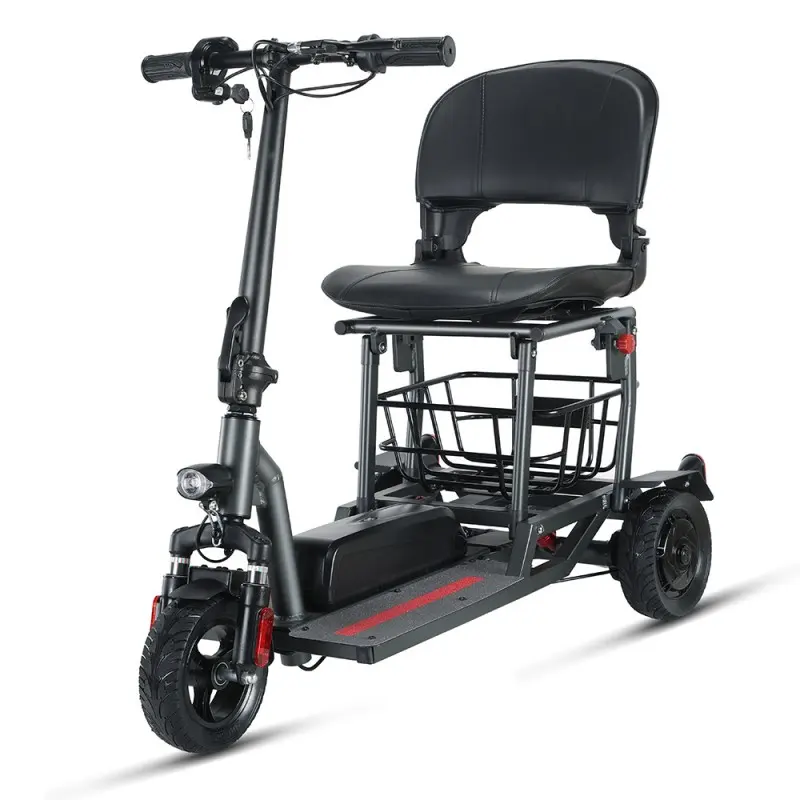
Choosing the right 3-wheel scooter plays a major role in rider safety. Look for a model with a wide, stable base, as it provides better balance and is ideal for beginners. Adjustable handlebars are another valuable feature because they allow riders to set the scooter at a comfortable height. Make sure the scooter has a reliable braking system that responds quickly when needed. The wheels should provide excellent traction to reduce the risk of slipping, especially on wet or uneven surfaces. It's also important to check the scooter's weight capacity to ensure it comfortably supports the rider. A scooter that is too small or too large can be difficult to control. While safety should be the priority, choosing a portable power chair with an attractive design or favorite color can make riding even more enjoyable. Reading customer reviews is another great way to learn about a scooter's safety, durability, and overall performance. At Resshidi, we design 3-wheel scooters that combine safety, comfort, and fun, helping riders enjoy every journey with confidence.
Addressing Safety Concerns for New Riders
New riders are often excited to start using a 3-wheel scooter, but it's important to understand the common safety concerns.
Although 3-wheel scooters are generally more stable than two-wheel scooters or bicycles, riders can still lose balance if they turn too sharply or travel too fast. Beginners should practice making slow, controlled turns until they become comfortable with the scooter's handling. Speed is another important factor. Some scooters can travel quickly, making it more difficult to stop suddenly. New riders should begin at low speeds and gradually increase their pace as their confidence and skills improve.
Always wear a properly fitted helmet before riding. Knee pads and elbow pads are also recommended to reduce the risk of injury in case of a fall. Before every ride, inspect the scooter carefully. Make sure the brakes are working properly, the wheels are in good condition, and there are no loose or damaged parts. Finally, choose safe places to ride. Parks, quiet neighborhoods, and open recreational areas are much safer than busy roads or crowded sidewalks. Following these simple precautions allows new riders to enjoy their scooter while minimizing risks.
What Safety Features Should Your 3-Wheel Scooter Have?
When selecting a 3-wheel scooter, prioritize models with built-in safety features. A dependable braking system is one of the most important features. The brakes should be easy to operate and capable of bringing the scooter to a safe stop quickly. Always test the brakes before riding. A strong, durable frame helps improve stability and reduces the risk of tipping over. High-quality materials also ensure the scooter can safely support the rider's weight. If the scooter will be used during the evening or in low-light conditions, built-in lights are highly recommended. Front and rear lights improve visibility, while reflectors help other pedestrians and vehicles see the rider more easily.
The wheels should provide excellent grip and stability. High-quality tires with good tread improve traction on different surfaces, including pavement, sidewalks, and light gravel. Comfort is another important consideration. A well-designed, supportive seat allows riders to maintain better control during longer rides. Adjustable seats are especially useful because they can accommodate riders of different heights. Choosing a scooter with these safety features helps ensure a more comfortable, stable, and enjoyable riding experience.
Top Safety Tips for Caregivers of 3-Wheel Scooter Users
Caregivers play an important role in helping riders stay safe while using a 3-wheel scooter. Always supervise new riders until they become confident operating the scooter independently. Teach them the basics of starting, stopping, turning, and maintaining balance in a safe environment before allowing them to ride in public areas. Establish clear rules about where the scooter can be used. Parks, walking paths, and quiet sidewalks are generally much safer than busy streets or crowded public spaces. Ensure the rider always wears a helmet along with appropriate protective gear, including knee and elbow pads. These simple precautions can significantly reduce the risk of injury.
Regularly inspect the scooter for signs of wear or damage. Check the brakes, tires, steering, and all moving parts before each ride. If you notice any issues, repair them before the mobility all terrain scooter is used again. Encourage riders to stay aware of their surroundings at all times. They should watch for obstacles, pedestrians, cyclists, and vehicles while riding. It's also helpful to talk with them regularly about how they feel using the scooter and address any concerns they may have. At Resshidi, rider safety is our highest priority. By following these safety tips, both riders and caregivers can enjoy every journey with greater confidence, comfort, and peace of mind.
Table of Contents
- Riding a 3-Wheel Scooter Safely Essential Tips for New Riders and Caregivers
- Essential Tips for New Riders and Caregivers
- What to Look for in a Safe 3-Wheel Scooter for Beginners
- Addressing Safety Concerns for New Riders
- What Safety Features Should Your 3-Wheel Scooter Have?
- Top Safety Tips for Caregivers of 3-Wheel Scooter Users